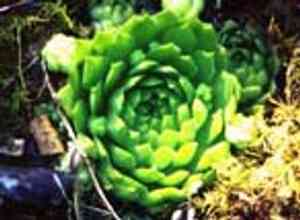
Sedums (Hylotelephium) (Hylotelephium)
Also known as: Stonecrops
Sedums are hardy perennial succulents known for their ability to attract butterflies and other pollinators with their vibrant flowers. These blooms, which appear in clustered bouquets, vary in color depending on the species. Sedums are especially popular in gardens because they require minimal care, are drought-resistant, and can grow well in various soil conditions. They are versatile plants, often used for ground cover, rock gardens, and borders.
In This Article
Attributes of Sedums (Hylotelephium)
Lifespan
Perennial
Plant Height
40 cm
Spread
40 cm
Leaf Color
Green, sometimes with a bluish hue
Flower Size
2.5 cm
Flower Color
Red Purple Pink
Images of Sedums (Hylotelephium)
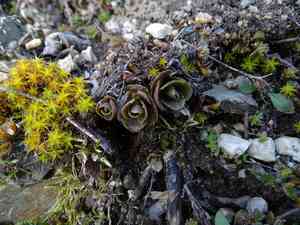
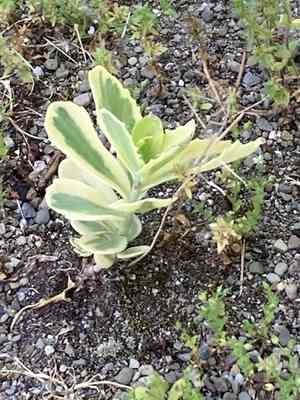
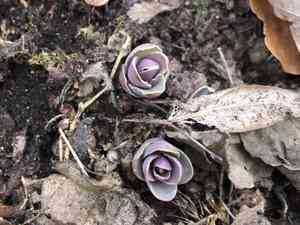
Quickly Identify Sedums (Hylotelephium)
1
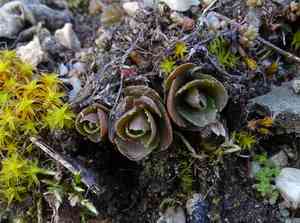
Hylotelephium can be identified by their thick, fleshy leaves, which are usually rounded or oval-shaped. The leaves are often arranged in a rosette pattern. The plants produce clusters of small, star-shaped flowers, which can be pink, white, red, or yellow.
Scientific Classification of Sedums (Hylotelephium)
Phylum
Tracheophyta
Class
Magnoliopsida
Order
Saxifragales
Family
Crassulaceae
Genus
Hylotelephium
Planting and Growing of Sedums (Hylotelephium)
Care Difficulty
Easy
Watering Schedule
Every day
Sunlight Requirements
Full sun
Sunshine Duration
6-10 hours
Ideal Temperature
65-75℉
Soil Type
Potting Mix, Peat Mix
Soil pH
6.5-7.5
Fertilizer Type
Balanced
Pruning Season
Spring, Summer
Pruning Area
Branches, Leaves
Pruning Frequency
3 times a year
Repotting Season
Spring
Pot Type
Plastic, Ceramic
 How to Water Sedums (Hylotelephium)?
When watering Hylotelephium, ensure you provide approximately 250ml of water each time. This plant prefers its soil to dry out between waterings, so the amount should be enough to saturate the soil without leaving it soggy. Pour the water slowly and allow it to drain freely from the bottom of the pot to prevent waterlogging.
What are the symptoms of an underwatered Sedums (Hylotelephium)?
›
What should I do if my Sedums (Hylotelephium) is not getting enough water?
›
What are the symptoms of an overwatered Sedums (Hylotelephium)?
›
How to save an overwatered Sedums (Hylotelephium)?
›
 What Are the Sunlight Requirements for Sedums (Hylotelephium)?
Hylotelephium thrives in full sun to partial sun. Optimizing light exposure ensures maximum growth potential and vibrant blooms, resulting in a healthy and aesthetically pleasing plant that enriches any space.
What is the best lighting condition for Hylotelephium?
›
How can I achieve optimal lighting for this plant?
›
What are the benefits of good lighting for Hylotelephium?
›
 What Is the Ideal Temperature Range for Sedums (Hylotelephium)?
The ideal temperature range for Hylotelephium, between 65°F to 75°F, ensures optimal growth and health. In this range, the plant's metabolic processes function efficiently, leading to vibrant foliage and strong, healthy flowering. Maintaining this temperature range minimizes stress and supports the plant's natural habitat, promoting overall well-being.
 What Soil is Best for Sedums (Hylotelephium)?
Hylotelephium thrives in well-draining soil, which prevents waterlogging and root rot. It mimics the plant's natural rocky hillside habitat where excess moisture quickly drains away. Ensuring proper drainage also helps in maintaining soil aeration for healthier root systems. While Hylotelephium can grow in nutrient-poor soils, providing moderate fertility can encourage robust growth and blooming. A balanced soil composition supports the plant's growth cycles, ensuring it remains vigorous and resilient against environmental stresses. Incorporating gravel into the soil mix improves texture, allowing roots to establish firmly. This simulates their natural growing conditions and can help anchor the plant securely, especially in windy locations or when grown on slopes.
 How to Fertilize Sedums (Hylotelephium)?
For Hylotelephium, a balanced proportion of nutrients is key. Typically, a diluted liquid fertilizer at half the recommended strength is sufficient. This ensures the plant receives adequate nutrients without the risk of over-fertilization.
 How to Prune Sedums (Hylotelephium)?
Begin by removing any dead or damaged stems. This clears the way for new growth and ensures the plant's energy is directed to healthy areas. After removing the dead stems, focus on trimming the plant to maintain its desired shape. Cut above a leaf node to encourage bushy growth. Deadheading, or removing faded flowers, encourages the plant to produce more blooms and can extend the flowering period.
 How to Propagate Sedums (Hylotelephium) plant?
1
Create a well-draining soil mix by combining equal parts of potting soil, perlite, and sand. This mix will help avoid waterlogging, which can lead to root rot, and provide ample aeration for root growth.
2
Select healthy and disease-free stems. Cut about 4-6 inches pieces below a leaf node using sterilized shears. Remove the bottom leaves, leaving a few at the top, to reduce moisture loss while maximizing root development potential.
3
Sow seeds in prepared seedling trays filled with the soil mix. Lightly press seeds into the soil and cover them with a thin layer of soil. Maintain gentle moisture, avoiding excess water to prevent seed rot.
 How to Repot Sedums (Hylotelephium) plant?
1
Repot Hylotelephium when it shows signs of overcrowding, such as roots emerging from drainage holes or stunted growth. These indicators suggest the plant needs more space to thrive. Conduct repotting in spring, during active growth, ensuring your plant enjoys a smooth transition to a larger pot.
2
Opt for a pot with adequate drainage holes, slightly larger than the current one, to accommodate root expansion. A pot with good drainage prevents waterlogging, reducing root rot risks. The material, terracotta or ceramic, allows soil to breathe and moisture to evaporate, promoting healthier root systems.
3
Select a well-draining cactus mix to mimic its natural, rocky habitat. This type of soil prevents water retention and reduces root rot risks, essential for succulents like Hylotelephium. A soil high in organic matter provides nutrients while ensuring roots remain healthy and robust.
Toxicity
ingestion
WARNING
The judgment on toxicity and danger is for reference only. We DO NOT GUARANTEE any accuracy of such judgment. Therefore, you SHALL NOT rely on such judgment. It is IMPORTANT TO SEEK PROFESSIONAL ADVICE in advance when necessary.

