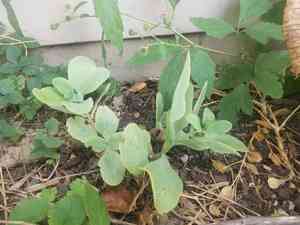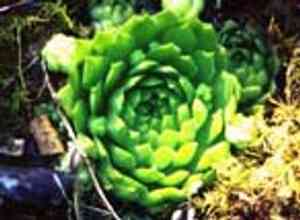
Garden stonecrop(Hylotelephium erythrostictum)

Garden stonecrop (Hylotelephium erythrostictum)

Also known as: Stonecrop, Sedum erythrostictum

Garden stonecrop (Hylotelephium erythrostictum) is a perennial herbaceous plant that can be harmful to both animals and humans if ingested. It naturally grows in the wild across China, Japan, Russia, and Korea, typically found in meadows and ravines within warm, temperate regions.

For successful cultivation as a houseplant, follow these guidelines:
- **Light:** Provide bright, indirect light. Too much shade can result in weak, floppy leaves.
- **Soil:** Use well-draining soil; avoid overly rich soil to prevent leggy growth.
- **Watering:** Water moderately, allowing the soil to dry out between sessions.
- **Temperature:** Maintain a temperature range of 60-75°F (15-24°C).
- **Humidity:** It can handle typical indoor humidity levels.

Ensure good air circulation to keep the plant healthy and prevent fungal issues.

Attributes of Garden stonecrop

Lifespan
Perennial
Plant Type
Succulent, Herb
Plant Height
30 cm to 70 cm
Spread
10 cm to 50 cm
Leaf Color
Green White Variegated
Flower Size
1 cm
Flower Color
Pink Purple Red

ForwardPlant - Identify plants with a snap

Identify and diagnose plants, get toxicity alerts, and explore safety guides for all types of fungi.

Try for Free

Images of Garden stonecrop

Garden stonecrop(Hylotelephium erythrostictum)

Quickly Identify Garden stonecrop

1
Hylotelephium erythrostictum can be identified by its fleshy, serrated leaves which are often green with red rims. The plant's flowers are star-shaped and usually appear in dense, flat-topped clusters.

Scientific Classification of Garden stonecrop

Phylum
Vascular plants
Class
Dicotyledons
Order
Saxifrages, stonecrops and allies
Family
Stonecrop
Genus
Sedums
Species
Garden stonecrop

Planting and Growing of Garden stonecrop

Care Difficulty
Easy
Watering Schedule
Every 2 days
Sunlight Requirements
Full sun
Sunshine Duration
6-8 hours
Ideal Temperature
60-75℉
Soil Type
Potting Mix, Peat Mix
Soil pH
6.5-7.5
Fertilizer Type
Balanced
Pruning Season
Spring, Summer
Pruning Area
Branches, Leaves
Pruning Frequency
2 times a year
Repotting Season
Spring
Pot Type
Plastic, Ceramic

water icon How to Water Garden stonecrop?

For Hylotelephium erythrostictum, water approximately 200 milliliters each time. The goal is to moisten the soil evenly, ensuring the top 2-3 inches are damp but not saturated. This plant prefers a proper balance, allowing the roots to breathe.
What are the symptoms of an underwatered Garden stonecrop?
What should I do if my Garden stonecrop is not getting enough water?
What are the symptoms of an overwatered Garden stonecrop?
How to save an overwatered Garden stonecrop?

sunlight icon What Are the Sunlight Requirements for Garden stonecrop?

Sunlight Requirements: Full sun, Partial sun
Duration of light: 6-8 hours of sunlight
This plant thrives with partial to full sun exposure. Ideal lighting promotes healthy foliage, vibrant blooms, and enhances the overall vigor of the plant, leading to a more resilient and attractive appearance.
What is ideal sunlight for Hylotelephium erythrostictum?
How to achieve ideal sunlight for the plant?
What are the benefits of ideal sunlight conditions?
More About Sunlight Requirements Techniques

temperature icon What Is the Ideal Temperature Range for Garden stonecrop?

Ideal Temperature: 60 ~ 75℉
Hylotelephium erythrostictum thrives best in temperatures between 60°F and 75°F. This range allows for optimal photosynthesis and nutrient uptake, ensuring healthy growth and vibrant foliage. Maintaining these temperatures mimics its natural habitat, leading to robust plant health.

soil icon What Soil is Best for Garden stonecrop?

Soil type: Loam, Sandy loam
Soil PH: 6.5 ~ 7.5
Hylotelephium erythrostictum thrives in well-drained soil, as it prevents waterlogging which can lead to root rot. Ensuring good drainage aids in maintaining healthy roots and promotes robust growth. This plant benefits from moderately fertile soil rich in nutrients. A balanced soil will support the plant's aesthetic foliage and flowering, making it visually appealing in a garden setting. Preferring a soil pH of 6.5 to 7.5, Hylotelephium erythrostictum grows best when the soil is neutral to slightly alkaline, which facilitates nutrient uptake, leading to vigorous growth.

fertilize icon How to Fertilize Garden stonecrop?

Fertilizer type: Balanced
For Hylotelephium erythrostictum, it's best to use a balanced fertilizer diluted to half strength in liquid form. Use approximately 1 tablespoon of liquid fertilizer per gallon of water. For slow-release fertilizers, apply according to the manufacturer's instructions, generally around 1 ounce per square foot.

prune icon How to Prune Garden stonecrop?

Pruning Time: Spring, Summer
To prune your Hylotelephium erythrostictum effectively, start by using clean, sharp scissors or pruning shears. Look for any dead or damaged stems and leaves, removing them carefully to reduce disease risk and improve airflow. Also, trim back leggy growth to promote a more bushy and compact plant structure. Make sure to cut just above the leaf node to encourage new growth from that point. Regular trimming during growing seasons ensures the plant maintains an attractive, dense habit, promoting fuller blooms.

propagate icon How to Propagate Garden stonecrop plant?

Propagate Time: Spring, Late spring, Early spring
1
Choose healthy, disease-free stems with no visible damage. The ideal stem is firm and about 3-4 inches long, with several nodes to increase rooting chances.
2
Use sharp, sterilized shears to cut the selected stem just below a node. Ensure the cut is diagonal to increase rooting surface and avoid crushing the stem.
3
Insert the cutting about an inch deep into the pre-moistened potting mix. Ensure nodes are below the surface, as these are the sites where roots will develop.
More About Propagating Techniques

repot icon How to Repot Garden stonecrop plant?

Repotting frequency: Every 2-3 years
1
Hylotelephium erythrostictum should be repotted when you notice roots growing out of the drainage holes or when the plant becomes top-heavy and unstable. These are clear signals that the plant needs more space to develop a healthy root system.
2
Choose a pot that is slightly larger than the current one but not too large. A pot that is 1-2 inches bigger in diameter and depth is ideal. This prevents excessive moisture retention, which can lead to root rot, while providing enough space for growth.
3
Opt for a well-draining soil mix specifically formulated for succulents or cacti. This ensures the roots are not waterlogged, promoting healthy root development and reducing the risk of fungal infections.

ForwardPlant - Identify plants with a snap

Find the best spots for them to optimize their health, simply using your phone.

Try for Free