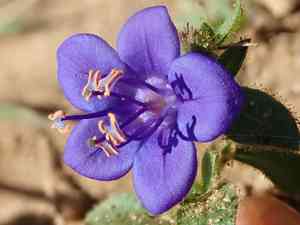
Spiny false fiddleleaf (Hydrolea spinosa)
Also known as: Blue Waterleaf, Spiny Hydrolea
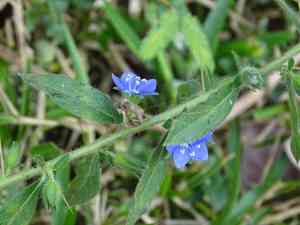
The spiny false fiddleleaf is an herbaceous plant characterized by its sharp, protective spines and vivid blue flowers with bright yellow centers. These striking blossoms contrast beautifully with its lush green leaves, making it visually captivating in wetland areas. The plant's spines serve as a defense mechanism against herbivores, while its roots are adept at anchoring in waterlogged soils. This unique combination of protective spines and eye-catching flowers makes the spiny false fiddleleaf both a sentinel and a standout in marshy landscapes.
In This Article
Attributes of Spiny false fiddleleaf
Lifespan
Perennial
Plant Type
Herb
Plant Height
0.5 to 1.5 meters
Spread
0.5 to 1 meter
Leaf Color
Green
Flower Size
1-2 centimeters
Flower Color
Blue
Images of Spiny false fiddleleaf
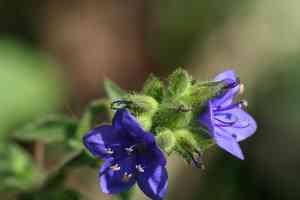
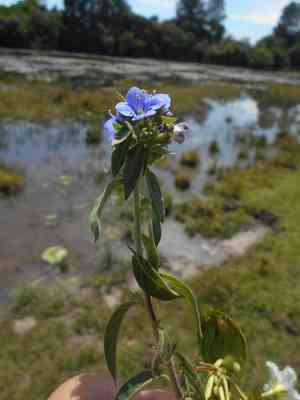
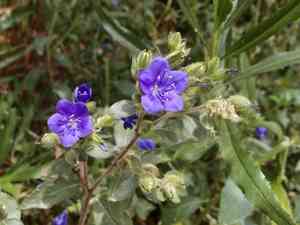
Quickly Identify Spiny false fiddleleaf
1
Hydrolea spinosa can be identified by its bright blue, 5-petaled flowers that bloom in clusters, its spiny stems, and its habit of growing in wet, marshy areas. The leaves are alternately arranged, oval to lance-shaped, and may have spiny edges.
Scientific Classification of Spiny false fiddleleaf
Phylum
Vascular plants
Class
Dicotyledons
Order
Nightshades, bindweeds, gooseweeds, and allies
Family
False fiddleleaves
Genus
False fiddleleaf
Species
Spiny false fiddleleaf
Planting and Growing of Spiny false fiddleleaf
Care Difficulty
Moderate
Watering Schedule
Every 4 days
Sunlight Requirements
Full sun
Sunshine Duration
6-10 hours
Ideal Temperature
68-77℉
Soil Type
Potting Mix, Peat Mix
Soil pH
6.5-7.5
Fertilizer Type
Balanced
Pruning Season
Spring, Summer
Pruning Area
Branches, Leaves
Pruning Frequency
2 times a year
Repotting Season
Spring
Pot Type
Ceramic, Plastic
 How to Water Spiny false fiddleleaf?
The watering amount for Hydrolea spinosa should be around 250 ml per session. This ensures that enough moisture reaches the roots without causing waterlogging. Ensure the soil is consistently moist but not soaked, as excessive water can harm the plant's root system.
What are the symptoms of an underwatered Spiny false fiddleleaf?
›
What should I do if my Spiny false fiddleleaf is not getting enough water?
›
What are the symptoms of an overwatered Spiny false fiddleleaf?
›
How to save an overwatered Spiny false fiddleleaf?
›
 What Are the Sunlight Requirements for Spiny false fiddleleaf?
Hydrolea spinosa thrives in full sun to partial sun environments. Ideal light conditions encourage healthy growth, more resilient leaves, and a prolific blooming season, enhancing the plant's overall aesthetic and survival.
What are the ideal light conditions for Hydrolea spinosa?
›
How can I ensure the plant gets ideal light?
›
What benefits come from ideal lighting?
›
 What Is the Ideal Temperature Range for Spiny false fiddleleaf?
Hydrolea spinosa thrives best within an ideal temperature range of 68°F to 77°F. This range provides the necessary warmth for optimal growth without imposing temperature stresses that can adversely influence its physiological functions.
 What Soil is Best for Spiny false fiddleleaf?
Hydrolea spinosa thrives in nutrient-rich soil environments, which help provide the essential minerals and nutrients required for its robust growth and development. Rich soils ensure the plant has access to essential macronutrients like nitrogen, phosphorus, and potassium. This plant demands well-drained soil to prevent waterlogging, which can lead to root rot. Proper drainage allows the roots to access oxygen and promotes healthy root growth, ensuring the plant's overall vigor and vitality. While good drainage is essential, Hydrolea spinosa also benefits from soil that can retain adequate moisture. This balance ensures the plant remains hydrated during dry spells without facing detrimental water accumulation.
 How to Fertilize Spiny false fiddleleaf?
Hydrolea spinosa, a robust spiny plant native to moist environments, requires balanced fertilization for optimal growth. Use a comprehensive, balanced fertilizer to ensure it receives nutrients without excess. Typically, 1/4 to 1/2 teaspoon per gallon of water is sufficient when using liquid fertilizers, which should be applied evenly around the base.
 How to Prune Spiny false fiddleleaf?
Begin by identifying and cutting away any dead, diseased, or damaged branches or leaves. This helps to prevent disease from spreading and encourages the plant to focus its energy on healthy growth. Trim the plant back to maintain a neat and compact shape. Make sure to also thin out dense areas to improve air circulation, which helps reduce the likelihood of fungal infections. Prune to stimulate new growth by cutting back leggy stems or old flowering stalks. This encourages the plant to produce bushier growth and more blooms.
More About Pruning Techniques→
 How to Propagate Spiny false fiddleleaf plant?
1
Fill the seed tray with a well-draining seed starting mix. The medium should be sterile to prevent diseases and pests from affecting seed germination.
2
Carefully distribute the seeds over the surface of the medium, ensuring even spacing. Gently press them into the soil and cover lightly with a thin layer of the starting mix.
3
Using pruning shears, cut 4-6 inch long sections from a healthy plant. Remove the lower leaves to prevent decay when inserted into the growing medium.
 How to Repot Spiny false fiddleleaf plant?
1
Signs that Hydrolea spinosa needs repotting include roots growing out of the drainage holes, the plant becoming top-heavy, or the soil drying out rapidly after watering. These indicators suggest it's time for a new, more spacious pot to accommodate healthy growth.
2
Choose a pot that's one size larger than the current one with drainage holes. A slightly larger pot allows for proper root expansion without overwhelming the plant with excessive soil, which can retain too much moisture and cause root rot.
3
Opt for well-draining sandy loam that mimics the plant's natural habitat. This type of soil provides good drainage while retaining enough moisture to hydrate the roots, promoting healthy and robust growth.



