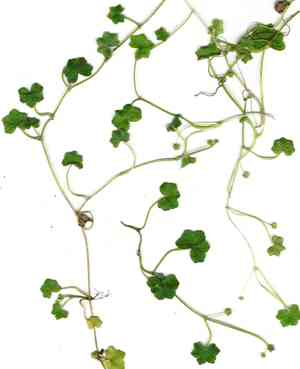
Water Pennywort (Hydrocotyle) (Hydrocotyle)
Also known as: White rot, Indian pennywort
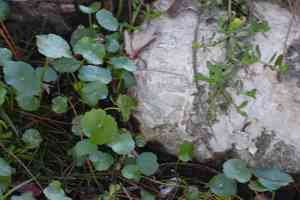
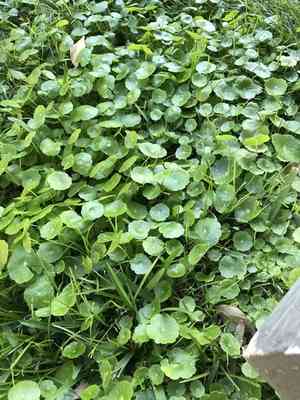
Water Pennywort plants are commonly found in wet environments across both temperate and tropical areas. They feature small, round leaves and extensive, interconnected stems that enable them to create large mats. These mats often grow along the edges of ponds, wetlands, and marshes, and can even be seen floating on the surface of water bodies.
In This Article
Attributes of Water Pennywort (Hydrocotyle)
Lifespan
Perennial
Plant Height
10 cm
Spread
30 cm
Leaf Color
Green
Flower Size
1-2 mm
Flower Color
White or pale green
Images of Water Pennywort (Hydrocotyle)
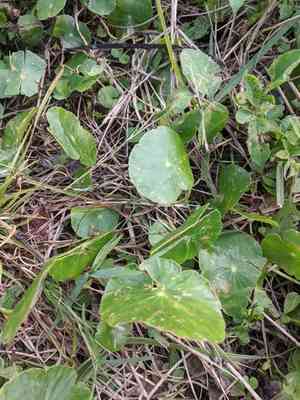
Quickly Identify Water Pennywort (Hydrocotyle)
1
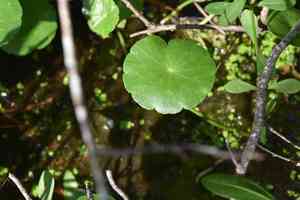
Hydrocotyle can be identified by its rounded, scalloped leaves that grow on long stalks. The leaves often appear in a rosette pattern and have a distinctive circular or kidney shape. The flowers are small and inconspicuous.
Scientific Classification of Water Pennywort (Hydrocotyle)
Phylum
Tracheophyta
Class
Magnoliopsida
Order
Apiales
Family
Araliaceae
Genus
Hydrocotyle
Planting and Growing of Water Pennywort (Hydrocotyle)
Care Difficulty
Easy
Watering Schedule
Every 8 days
Sunlight Requirements
Partial sun
Sunshine Duration
4-8 hours
Ideal Temperature
65-75℉
Soil Type
Potting Mix, Peat Mix
Soil pH
6.5-7.5
Fertilizer Type
Balanced
Pruning Season
Spring, Summer
Pruning Area
Branches, Leaves
Pruning Frequency
2 times a year
Repotting Season
Spring
Pot Type
Plastic, Terracotta
 How to Water Water Pennywort (Hydrocotyle)?
When watering Hydrocotyle, aim for the soil to remain consistently moist but not waterlogged. This plant thrives with a watering routine that thoroughly wets the soil, allowing the excess to drain away. Pour approximately 150ml of water per session, letting it soak in completely. Avoid puddling, and ensure the pot drains freely.
What are the symptoms of an underwatered Water Pennywort (Hydrocotyle)?
›
What should I do if my Water Pennywort (Hydrocotyle) is not getting enough water?
›
What are the symptoms of an overwatered Water Pennywort (Hydrocotyle)?
›
How to save an overwatered Water Pennywort (Hydrocotyle)?
›
 What Are the Sunlight Requirements for Water Pennywort (Hydrocotyle)?
Partial sun or full shade is ideal, as this range prevents damage from direct sun exposure while promoting green, healthy foliage and stable plant growth overall.
What is the ideal light condition for Hydrocotyle?
›
How to achieve the ideal light for Hydrocotyle?
›
What benefits does ideal light provide Hydrocotyle?
›
 What Is the Ideal Temperature Range for Water Pennywort (Hydrocotyle)?
The ideal temperature range for Hydrocotyle is between 65°F and 75°F. This range provides the most conducive environment for the plant's metabolic processes, ensuring healthy growth and vibrant foliage. Keeping the plant within these temperatures also minimizes the risk of stress-related diseases and encourages strong root development.
 What Soil is Best for Water Pennywort (Hydrocotyle)?
Hydrocotyle thrives in well-drained soil that prevents waterlogging and root rot. Proper drainage ensures that the roots can access the oxygen they need to stay healthy, which is vital for robust plant growth. While drainage is crucial, the soil must also retain enough moisture to support Hydrocotyle's water needs. Balancing these two conditions can lead to vibrant foliage and steady growth. This plant prefers nutrient-rich soil that can support its growth and reproduction. Proper nutrient levels enhance leaf color and contribute to the plant's overall vigor and resilience against diseases.
 How to Fertilize Water Pennywort (Hydrocotyle)?
For Hydrocotyle, use a balanced liquid fertilizer diluted to half strength. Use approximately 5 ml per liter of water for optimal results. This ratio ensures the plants receive adequate nutrients without overwhelming them. If using a slow-release fertilizer, apply according to the package’s instructions, generally at about 30 grams per square meter.
 How to Prune Water Pennywort (Hydrocotyle)?
Begin by identifying stems that appear yellowing, damaged, or overly long. Hydrocotyle benefits from removing these parts to encourage new growth and maintain a compact shape. Look for areas where the plant seems sparse and thin. Once you've identified where to prune, make clean cuts just above a leaf node. This technique encourages new growth from the node, resulting in bushier and healthier development. Always angle your cuts slightly to allow water to run off easily, preventing rot. After pruning, it's important to gather all cuttings and dispose of them properly, especially if you suspect disease. This helps to prevent any potential spread of pathogens or pests that could infect other plants in the area.
 How to Propagate Water Pennywort (Hydrocotyle) plant?
1
Fill seed trays or pots with a well-draining soil mix. This might include a combination of compost, perlite, and peat moss. Ensure the soil is uniformly moist but not waterlogged.
2
Distribute the seeds evenly over the surface of the soil. Press them gently to ensure contact but do not bury them too deeply, as they need light to germinate effectively.
3
Keep the pots in a warm location with a temperature between 18-25°C. Use a plastic cover to retain moisture, but ensure it has ventilation holes to prevent fungal growth.
 How to Repot Water Pennywort (Hydrocotyle) plant?
1
Hydrocotyle should be repotted when you notice its roots start or emerge from the drainage holes and the plant's growth seems stunted. This usually happens every one to two years. Repotting in spring or early summer gives the plant ample time to adjust and take advantage of the growing season.
2
Choose a pot that is 1 to 2 inches larger in diameter than the current one to provide space for root growth. Ensure it has proper drainage holes to prevent waterlogging, which can lead to root rot. A slightly wider pot helps maintain a balanced growth structure for this often-spreading plant.
3
Opt for a well-draining potting mix, potentially with added perlite or sand to enhance drainage. This soil type will help maintain moisture without waterlogging, supporting the plant's propensity for stable, moist environments. It mimics the plant’s natural habitat, ensuring healthy growth.
Learn More About Water Pennywort (Hydrocotyle) Diseases
Anthracnose
Bacterial Leaf Spot
Bacterial Soft Rot
Bacterial Wilt
Chemical Injury
Crown Gall
Cyst Nematode
Damping-off
Downy Mildew
Drought Stress
Fusarium Wilt
Gray Mold
Leaf Spot
Mosaic
Nutrient Deficiency
Nutrient Toxicity
Powdery Mildew
Root Rot
Root-knot Nematode
Rusts
Sooty Mold
Spider Mites
Temperature Stress
Thrips Damage
White Mold

