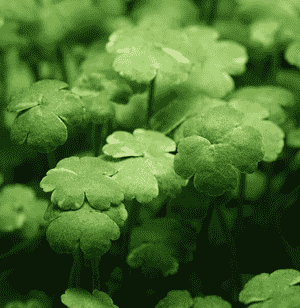
Lawn marshpennywort (Hydrocotyle sibthorpioides)
Also known as: Lawn pennywort, Asiatic pennywort
Lawn marshpennywort, native to Asia, is frequently found flourishing in the southern United States. This adaptable plant can grow in various conditions, ranging from wet marshes to drier environments. In some parts of the U.S., it is increasingly becoming an invasive weed in lawns.
In This Article
Attributes of Lawn marshpennywort
Lifespan
Perennial
Plant Type
Herb
Plant Height
10 cm
Spread
30 cm
Leaf Color
Green
Flower Size
2 mm to 5 mm
Flower Color
White to greenish
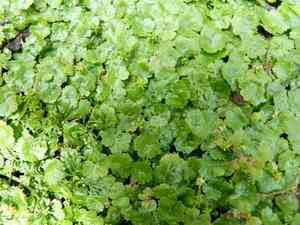
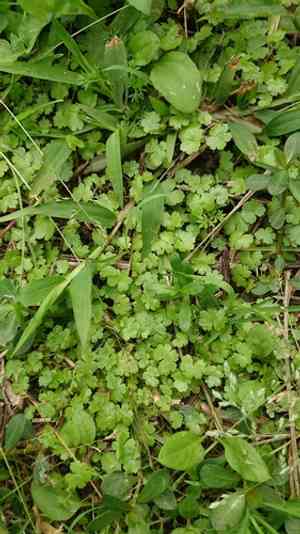
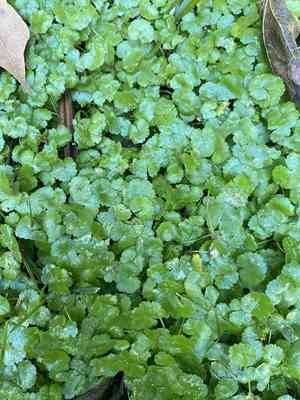
Images of Lawn marshpennywort
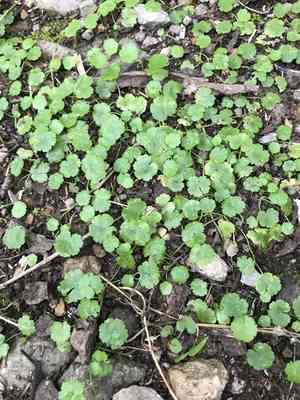
Quickly Identify Lawn marshpennywort
1
Hydrocotyle sibthorpioides can be identified by its round to approximately kidney-shaped leaves with scalloped edges, growing on long petioles. The plant has a creeping habit and produces tiny, inconspicuous flowers.
Scientific Classification of Lawn marshpennywort
Phylum
Vascular plants
Class
Dicotyledons
Order
Apiales
Family
Umbellifers
Genus
Water Pennywort
Species
Lawn marshpennywort
Planting and Growing of Lawn marshpennywort
Care Difficulty
Easy
Watering Schedule
Every 8 days
Sunlight Requirements
Partial sun
Sunshine Duration
4-6 hours
Ideal Temperature
68-86℉
Soil Type
Potting Mix, Peat Mix
Soil pH
5-7.5
Fertilizer Type
Balanced
Pruning Season
Spring, Summer
Pruning Area
Branches, Leaves
Pruning Frequency
2 times a year
Repotting Season
Spring
Pot Type
Plastic, Ceramic
 How to Water Lawn marshpennywort?
Hydrocotyle sibthorpioides thrives with moist soil, requiring about 150 ml of water per watering session. The key principle is to maintain consistent soil moisture without waterlogging; aim for evenly moist soil that drains well.
What are the symptoms of an underwatered Lawn marshpennywort?
›
What should I do if my Lawn marshpennywort is not getting enough water?
›
What are the symptoms of an overwatered Lawn marshpennywort?
›
How to save an overwatered Lawn marshpennywort?
›
 What Are the Sunlight Requirements for Lawn marshpennywort?
Hydrocotyle sibthorpioides prospers under partial sun to full shade conditions. Ideal lighting fosters robust and healthy foliage, enhances the plant's vigor, and minimizes susceptibility to stress-related issues.
What is the ideal amount of sunlight?
›
How can I achieve the ideal light condition for this plant?
›
What are the benefits of providing ideal lighting conditions?
›
 What Is the Ideal Temperature Range for Lawn marshpennywort?
The ideal temperature range for Hydrocotyle sibthorpioides is between 68°F and 86°F. This range ensures optimal growth and health. The plant thrives and exhibits its best features under these conditions, with vibrant greenery and adequate moisture retention.
 What Soil is Best for Lawn marshpennywort?
Hydrocotyle sibthorpioides thrives in well-drained soil, preventing root rot and ensuring oxygen can reach the roots. Good drainage is crucial to avoid water pooling around the plant which could lead to fungal diseases. The soil should retain some moisture but not be waterlogged. Consistent moisture promotes healthy and lush growth. Adding organic matter can improve moisture retention which is beneficial for this plant. This plant benefits from a nutrient-rich soil that supports its vigorous growth. A balanced supply of macro and micronutrients ensures the plant has the resources it needs for robust foliage development.
 How to Fertilize Lawn marshpennywort?
Hydrocotyle sibthorpioides benefits from moderate fertilization. Use about half the recommended dose for general houseplants, typically around 1/4 teaspoon per gallon of water for liquid fertilizers. Adjust based on the plant's growth and environmental conditions.
 How to Prune Lawn marshpennywort?
Begin by observing your Hydrocotyle sibthorpioides and identifying areas where stems are growing excessively or becoming tangled. These are the portions you'll want to focus on for pruning. Target the longest vines or runners to encourage a more compact form. When pruning, aim to cut just above a node - the point where leaves or stems branch out. This encourages branching at the cut site, leading to denser growth and promoting a fuller, bushier plant. Look for any leaves or stems that show signs of damage or discoloration, such as yellowing or browning. Carefully snip these away at the base, as removing these will prevent potential disease from spreading and ensure healthier overall growth.
 How to Propagate Lawn marshpennywort plant?
1
Start by collecting mature seeds from healthy plants. Clean them gently to remove any pulp or debris. Soak the seeds in lukewarm water overnight to enhance germination rates.
2
Using sterilized garden shears, cut 4-6 inches of a young stem below a node. Remove lower leaves and dip the cut end in rooting hormone before planting it in moist potting soil.
3
Gently dig up an established plant and separate it into smaller clumps, ensuring each division has roots attached. Replant the divisions immediately in well-draining soil.
 How to Repot Lawn marshpennywort plant?
1
Hydrocotyle sibthorpioides should be repotted when you observe restricted growth, roots growing out of the drainage holes, or soil that remains waterlogged. These signs indicate the plant needs a fresh environment, which usually coincides with its active growth phases in spring and autumn. Repotting during these seasons minimizes stress and encourages vigorous growth.
2
Select a pot that is marginally larger than the current one, with ample drainage holes. The material can be either plastic or clay, both having their advantages. Plastic retains moisture better, while clay provides excellent breathability, which is crucial for preventing root rot. A pot slightly bigger allows for root expansion without compromising the root moisture balance.
3
Opt for a light, well-draining soil mix, rich in organic matter. This soil type supports the plant's preference for moisture without retaining excess water, thus preventing root rot. Incorporating perlite or sand helps improve drainage, ensuring the roots have sufficient aeration for optimal health and growth.
Learn More About Lawn marshpennywort Diseases
Anthracnose
Bacterial Leaf Spot
Bacterial Soft Rot
Damping-off
Downy Mildew
Drought Stress
Fusarium Wilt
Gray Mold
Leaf Curl
Leaf Spot
Mosaic
Nutrient Deficiency
Nutrient Toxicity
Powdery Mildew
Root Rot
Root-knot Nematode
Rusts
Sooty Mold
Spider Mites
Temperature Stress
Thrips Damage
White Mold
Chemical Injury


