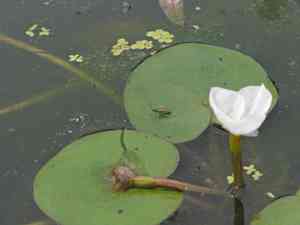
Frogbit (Hydrocharis dubia)
Also known as: Common Frogbit
Water hyacinth (Eichhornia crassipes) is a widely recognized aquatic plant that floats on the surface of water bodies. Its round, glossy leaves resemble those of the lotus, offering habitat and nourishment for various aquatic organisms like fish, larvae, and amphibians. Despite its ecological benefits, water hyacinth can become highly invasive, often outcompeting native species and disrupting ecosystems in regions such as Australia and North America.
In This Article
Attributes of Frogbit
Lifespan
Perennial
Plant Type
Herb
Plant Height
1.2 m to 1.5 m
Spread
The crown diameter of Hydrocharis dubia can reach up to 10-15 cm when fully spread.
Leaf Color
Green
Flower Size
3 cm
Flower Color
White Yellow
Images of Frogbit
Quickly Identify Frogbit
1
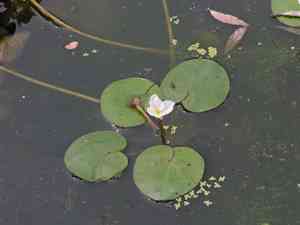
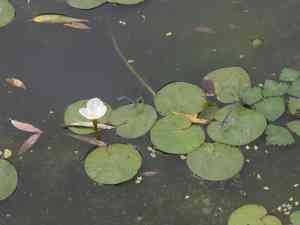
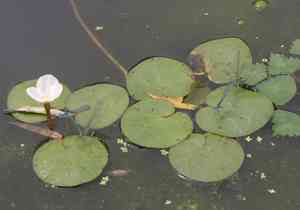
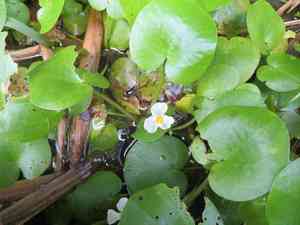
Identifying Hydrocharis dubia involves looking for its characteristic floating rosette of heart-shaped leaves, typically 2-5 cm wide. The leaves are leathery and have distinct veins. Small, white flowers with three petals are another key identifier.
Scientific Classification of Frogbit
Phylum
Vascular plants
Class
Monocotyledons
Order
Water plantains and allies
Family
Tape-grass
Genus
Hydrocharis
Species
Frogbit
Planting and Growing of Frogbit
Care Difficulty
Easy
Watering Schedule
Every 12 days
Sunlight Requirements
Partial sun
Sunshine Duration
4-10 hours
Ideal Temperature
68-77℉
Soil Type
Potting Mix, Peat Mix
Soil pH
5.5-7
Fertilizer Type
Balanced
Pruning Season
Spring, Summer
Pruning Area
Branches, Leaves
Pruning Frequency
2 times a year
Repotting Season
Spring
Pot Type
Plastic, Terracotta
 How to Water Frogbit?
Hydrocharis dubia prefers a consistent amount of water to thrive. It is best to ensure the soil is moderately moist but not waterlogged. Pour around 150 milliliters per watering session, making sure the water reaches the roots without drenching the soil entirely.
What are the symptoms of an underwatered Frogbit?
›
What should I do if my Frogbit is not getting enough water?
›
What are the symptoms of an overwatered Frogbit?
›
How to save an overwatered Frogbit?
›
 What Are the Sunlight Requirements for Frogbit?
Hydrocharis dubia prefers partial sun to full shade, benefiting from dappled sunlight. This light range maximizes growth by preventing leaf scorch while supporting photosynthetic activity, crucial for its vitality.
What is the ideal lighting condition for Hydrocharis dubia?
›
How can I ensure my Hydrocharis dubia receives ideal lighting?
›
What benefits can my plant enjoy under ideal lighting?
›
 What Is the Ideal Temperature Range for Frogbit?
Hydrocharis dubia thrives in a warm, temperate climate where the ideal temperature ranges from 68°F to 77°F. This temperature range allows for optimal metabolic processes, ensuring the plant’s proper growth and healthy development. Maintaining these conditions consistently can significantly enhance the plant's vitality and ability to resist diseases.
 What Soil is Best for Frogbit?
Hydrocharis dubia thrives in moist soil, which provides the necessary hydration for healthy growth. This ensures the plant remains lush and vibrant, improving both its aesthetic and functional qualities in water gardens. A nutrient-rich substrate is essential for Hydrocharis dubia, supplying essential nutrients that enhance root growth and foliage development. This enriches the plant's contribution to aquatic ecosystems by improving oxygenation and water clarity. Good drainage is required to prevent rot in Hydrocharis dubia. By allowing excess water to percolate, it ensures roots are not waterlogged, maintaining plant health and vigor, critical for flourishing in aquatic settings.
 How to Fertilize Frogbit?
For Hydrocharis dubia, a balanced liquid fertilizer should be diluted to half-strength. Use approximately 5-10 ml per liter of water for application. This ensures that the plant gets enough nutrients without overwhelming it, considering this aquatic plant's delicate nature.
 How to Prune Frogbit?
Start by carefully examining the plant for any dead or yellowing leaves. These should be removed first to maintain the plant's health and aesthetics. Cut back any long runners or overly large leaves that are shadowing lower parts of the plant. Identify areas where the plant is too dense and use a careful snip to promote better air circulation and light penetration. Before starting and after finishing, make sure to disinfect your pruning tools. This helps prevent the transfer of diseases to your Hydrocharis dubia and between different plants.
More About Pruning Techniques→
 How to Propagate Frogbit plant?
1
Before planting seeds or division parts, it's important to prepare the soil by loosening it and amending it with organic matter to ensure good drainage and fertility.
2
Space seeds evenly in the seed tray and cover lightly with soil. Water gently and ensure the seeds remain moist but not waterlogged to promote germination.
3
Carefully dig up the plant and use a garden spade or knife to separate the root ball into sections. Each section should have a healthy root system and some shoots.
 How to Repot Frogbit plant?
1
Repotting Hydrocharis dubia is necessary when the roots begin overcrowding their current pot, evidenced by stunted growth and emerging roots. It's also time to repot if the water isn't draining properly, indicating compacted soil. Spring and summer are the ideal seasons, with abundant growth promoting recovery.
2
Choose a pot that's about one size larger than the current one, with ample drainage holes. These holes are essential to prevent waterlogging, a common pitfall that can stifle root growth and lead to root rot in aquatic plants like Hydrocharis dubia. The right size promotes healthy root expansion and prevents stagnant water issues.
3
Opt for a moist, loamy soil ideal for aquatic plants; it offers excellent moisture retention without restricting root airflow. Such soil balances water availability and oxygen, crucial for Hydrocharis dubia's growth. This environment helps in keeping the roots properly hydrated but not oversaturated, ensuring healthy plant development.



