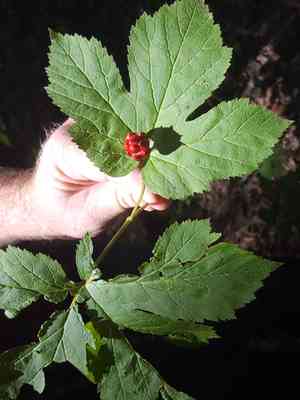
Hydrastis (Hydrastis) (Hydrastis)
Also known as: Goldenseal, Orange-root, Yellow Puccoon
Hydrastis canadensis, commonly known as goldenseal, is native to North America and is the sole species within its genus. Historically, it has been utilized for dyeing purposes and has also been employed as an insect repellent due to its reported toxicity to both humans and insects. According to the IUCN Red List of Threatened Species, Hydrastis canadensis is currently classified as "Vulnerable."
In This Article
Attributes of Hydrastis (Hydrastis)
Lifespan
Perennial
Plant Height
6-12 inches
Spread
12-18 inches
Leaf Color
Green
Flower Size
0.5-1 inch
Flower Color
White
Images of Hydrastis (Hydrastis)
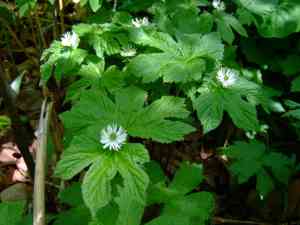
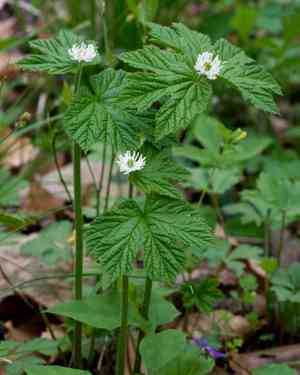
Quickly Identify Hydrastis (Hydrastis)
1
Goldenseal can be identified by its thick yellow rhizome, green leaves with 5-7 lobes, and small, inconspicuous white flowers followed by red raspberry-like fruit.
Scientific Classification of Hydrastis (Hydrastis)
Phylum
Magnoliophyta
Class
Magnoliopsida
Order
Ranunculales
Family
Ranunculaceae
Genus
Hydrastis
Planting and Growing of Hydrastis (Hydrastis)
Care Difficulty
Hard
Watering Schedule
Every 2 days
Sunlight Requirements
Partial sun
Sunshine Duration
6-10 hours
Ideal Temperature
60-70℉
Soil Type
Potting Mix, Peat Mix
Soil pH
6.5-7.5
Fertilizer Type
Balanced
Pruning Season
Spring, Summer
Pruning Area
Branches, Leaves
Pruning Frequency
2 times a year
Repotting Season
Spring
Pot Type
Plastic, Ceramic
 How to Water Hydrastis (Hydrastis)?
Hydrastis prefers evenly moist soil, but it doesn't like being waterlogged. Water thoroughly until excess drains out from the bottom of the pot or penetrates the garden soil without leaving standing water. This ensures that the roots receive adequate moisture without risk of drowning.
What are the symptoms of an underwatered Hydrastis (Hydrastis)?
›
What should I do if my Hydrastis (Hydrastis) is not getting enough water?
›
What are the symptoms of an overwatered Hydrastis (Hydrastis)?
›
How to save an overwatered Hydrastis (Hydrastis)?
›
 What Are the Sunlight Requirements for Hydrastis (Hydrastis)?
Hydrastis thrives in partial sun, receiving 3 to 5 hours of light. This range supports healthy growth and the production of bioactive compounds, crucial for its medicinal properties.
How to Ensure Appropriate Sunlight?
›
What Are the Benefits of Ideal Lighting?
›
How Can Improper Lighting Be Adjusted?
›
 What Is the Ideal Temperature Range for Hydrastis (Hydrastis)?
The ideal temperature range for Hydrastis is between 60°F and 70°F. This range closely mimics the plant's natural forest habitat, where mild temperatures dominate. In these conditions, Hydrastis can optimally perform photosynthesis, maintain healthy growth, and produce vibrant foliage.
 What Soil is Best for Hydrastis (Hydrastis)?
Hydrastis thrives in soil that maintains adequate moisture. Good moisture levels help the plant absorb nutrients effectively and prevent wilting, promoting robust growth and vibrant foliage. The soil for Hydrastis should be rich in organic matter to supply essential nutrients. This nutrient richness supports healthy root development and boosts the plant's overall resilience against pests and diseases. Ensuring proper drainage is crucial for Hydrastis as it helps prevent root rot. Well-drained soil allows excess water to escape, reducing the risk of fungal infections and promoting strong plant health.
 How to Fertilize Hydrastis (Hydrastis)?
For Hydrastis, the fertilizer amount should be moderate. Too much can damage its delicate root system, while too little will result in poor growth. A balanced 10-10-10 NPK fertilizer is generally recommended, applied at a half-strength concentration. This plant prefers a sustainable nutrient release which ensures robust growth without toxicity.
 How to Prune Hydrastis (Hydrastis)?
Begin by removing any dead or damaged stems, cutting back to healthy tissue. Focus on the inner parts to improve air circulation. Always use sharp, clean tools to make efficient cuts. Avoid cutting off the main stem, focusing instead on side branches and shoots.
 How to Propagate Hydrastis (Hydrastis) plant?
1
Before planting, it is essential to stratify the seeds. This involves placing them in a moist environment at a low temperature for several weeks to break dormancy, mimicking natural winter conditions.
2
Seeds should be sown in a well-draining potting mix, just below the surface, and covered lightly. An indoor seed tray can offer protection and warmth until the seedlings are ready for transplantation.
3
For division, use a clean garden fork to lift the plant gently. Carefully separate the rootball into sections with roots and shoots, ensuring each section will thrive independently when replanted.
 How to Repot Hydrastis (Hydrastis) plant?
1
Repot Hydrastis when you notice roots are emerging from drainage holes or the plant seems stunted. These signs indicate it's time for a larger pot to allow root expansion and nutrient access.
2
Select a pot that’s 1-2 inches larger in diameter than the current one, with good drainage holes. This prevents waterlogging and grants adequate space for roots to thrive, encouraging healthy growth.
3
Opt for a loamy, well-draining mix with some organic matter. This soil structure retains necessary moisture while preventing root rot, ensuring the plant gets the right balance of water and air.
Learn More About Hydrastis (Hydrastis) Diseases
Anthracnose
Bacterial Leaf Spot
Bacterial Soft Rot
Bacterial Wilt
Crown Gall
Cyst Nematode
Damping-off
Downy Mildew
Drought Stress
Fusarium Wilt
Gray Mold
Leaf Spot
Mosaic
Nutrient Deficiency
Nutrient Toxicity
Powdery Mildew
Root Rot
Root-knot Nematode
Rusts
Sooty Mold
Spider Mites
Temperature Stress
Thrips Damage
White Mold

