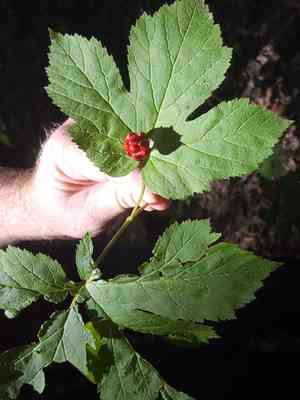
Goldenseal (Hydrastis canadensis)
Also known as: Goldenseal, Orangeroot, Yellow Puccoon
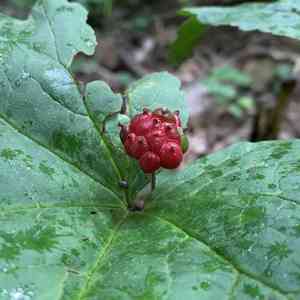
Goldenseal (Hydrastis canadensis) is notable for its yellow, knobby rhizomes. This perennial herb thrives in the woodlands of southeastern Canada and the eastern United States, but it is increasingly rare in the wild. It bears red, raspberry-like berries that are visually appealing but not edible. The plant’s roots are useful for producing a yellow dye and can also serve as an insecticide. It’s important to note that all parts of Goldenseal are toxic if consumed in large quantities.
Attributes of Goldenseal
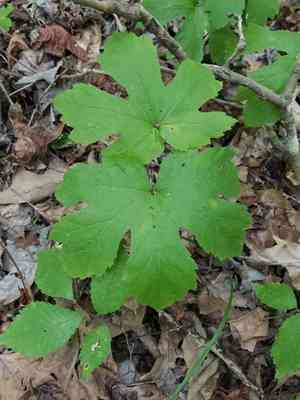
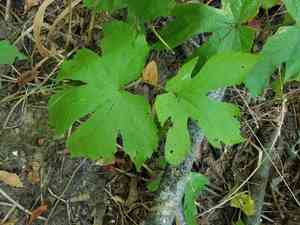
Images of Goldenseal
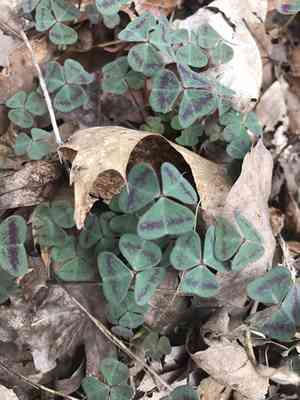
Quickly Identify Goldenseal
Scientific Classification of Goldenseal
Planting and Growing of Goldenseal
 How to Water Goldenseal?
 What Are the Sunlight Requirements for Goldenseal?
 What Is the Ideal Temperature Range for Goldenseal?
 What Soil is Best for Goldenseal?
 How to Fertilize Goldenseal?
 How to Prune Goldenseal?
 How to Propagate Goldenseal plant?
 How to Repot Goldenseal plant?
Toxicity of Goldenseal
Is Goldenseal toxic to humans?
Goldenseal is a poisonous plant that can lead to serious health complications if ingested. The severity of the poisoning is significant and can be fatal. All components of the plant are toxic. Symptoms may include gastrointestinal problems such as nausea, vomiting, constipation, diarrhea, stomach cramps, and pain, along with mouth sores, rapid heartbeat, anxiety, convulsions, and central nervous system depression. Consuming a substantial quantity can result in respiratory difficulties, paralysis, and potentially death. Additionally, the toxin can be transmitted through breast milk.



