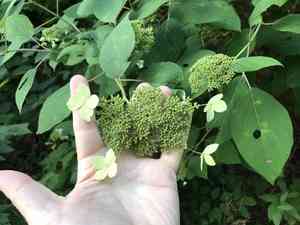
Silverleaf hydrangea (Hydrangea radiata)
Also known as: Silverleaf
The shrub you are describing is likely found in the southern Appalachians, where it is relatively common. Its distinctive foliar colors make it stand out, particularly when viewed from afar in a breeze.
In This Article
Attributes of Silverleaf hydrangea
Lifespan
Perennial
Plant Type
Shrub
Plant Height
91 cm to 2.5 m
Spread
1.2 m to 1.8 m
Leaf Color
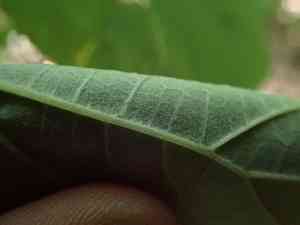
Green on top, silvery-white underneath
Flower Size
8 cm to 15 cm
Flower Color
White
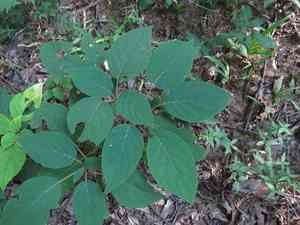
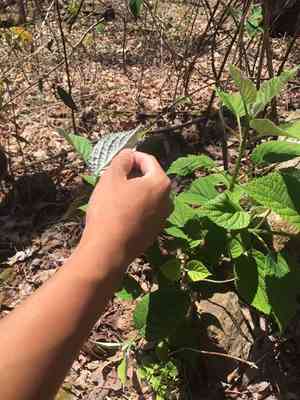
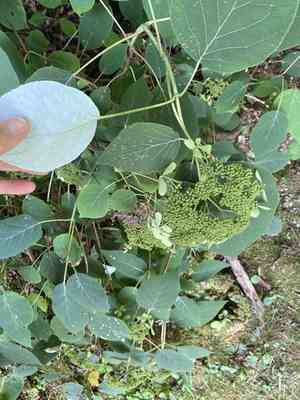
Images of Silverleaf hydrangea
Quickly Identify Silverleaf hydrangea
1
Distinctive silvery undersides on leaves
2
White sterile flowers surrounding fertile florets
3
Ribbed dry capsules with light brown color
4
Serrated leaves with noticeable teeth
5
Shreddy bark peeling in thin vertical strips
Scientific Classification of Silverleaf hydrangea
Phylum
Vascular plants
Class
Dicotyledons
Order
Cornales
Family
Hydrangea
Genus
Hydrangeas
Species
Silverleaf hydrangea
Planting and Growing of Silverleaf hydrangea
Care Difficulty
Moderate
Watering Schedule
Every 6 days
Sunlight Requirements
Partial sun
Sunshine Duration
6-10 hours
Ideal Temperature
65-75℉
Soil Type
Potting Mix, Peat Mix
Soil pH
5-6.5
Fertilizer Type
Balanced
Pruning Season
Spring, Summer
Pruning Area
Branches, Leaves
Pruning Frequency
2 times a year
Repotting Season
Spring
Pot Type
Plastic, Ceramic
 How to Water Silverleaf hydrangea?
Hydrangea radiata enjoys consistently moist but not waterlogged soil. Always water until the top-inch of soil feels evenly moist but avoid excess water pooling around the roots. This generally means about 500 ml per watering session, which ensures deep hydration without standing water.
What are the symptoms of an underwatered Silverleaf hydrangea?
›
What should I do if my Silverleaf hydrangea is not getting enough water?
›
What are the symptoms of an overwatered Silverleaf hydrangea?
›
How to save an overwatered Silverleaf hydrangea?
›
 What Are the Sunlight Requirements for Silverleaf hydrangea?
Hydrangea radiata does best with partial sun, indicating up to 6 hours of light, preferably in the morning. This balance promotes full blooming and vibrant foliage, enhancing the plant's overall vigor.
What is the ideal light condition for Hydrangea radiata?
›
How can you achieve ideal lighting conditions for Hydrangea radiata?
›
What are the benefits of ideal lighting for Hydrangea radiata?
›
 What Is the Ideal Temperature Range for Silverleaf hydrangea?
Hydrangea radiata thrives best when the ambient temperature is consistently between 65°F and 75°F. This range ensures optimal growth, allowing the plant to uptake nutrients efficiently and maintain vibrant blooms. Temperatures within this bracket promote healthy photosynthesis and maintain cellular functions.
 What Soil is Best for Silverleaf hydrangea?
Hydrangea radiata thrives in soils that retain adequate moisture. This ensures the plant remains well-hydrated, promoting healthy blooms and vibrant foliage. It helps prevent stress during dry spells, which is crucial for maintaining its ornamental value. A nutrient-rich soil provides essential minerals and nutrients for Hydrangea radiata. This helps in the development of strong stems and lush leaves, enhancing the plant's overall aesthetic appeal and resilience against pests and diseases. Soil with good drainage prevents waterlogging, which can be detrimental to Hydrangea radiata. Proper drainage ensures that roots have ample access to oxygen, which promotes vigorous growth and prevents root rot, a common issue with hydrangeas.
 How to Fertilize Silverleaf hydrangea?
For the robust growth of Hydrangea radiata, apply liquid fertilizer at half the recommended strength for the brand you use. Solid, slow-release fertilizers should be applied at a rate of approximately one tablespoon per square foot of soil area.
 How to Prune Silverleaf hydrangea?
Start by removing any dead or damaged branches, as these can harbor disease. Use sharp, clean pruning shears to make clean cuts just above healthy buds. This promotes vigorous growth and ensures the plant gets proper airflow and sunlight. Focus on shaping your Hydrangea radiata by removing inward-growing branches to maintain an open, vase-like structure. This not only enhances the aesthetic look but also helps in the even distribution of nutrients. After the blooming period, cut back spent flower heads to encourage a second flush of blooms. Make sure to cut down to the nearest pair of strong buds to stimulate new growth.
 How to Propagate Silverleaf hydrangea plant?
1
Select a healthy stem from the current season's growth and make a clean cut just below a node. The cutting should be about 4-6 inches long with a few leaves remaining.
2
Dip the cut end of the stem in rooting hormone to encourage the development of roots. This step can significantly increase the success rate of cuttings taking root.
3
Insert the cutting into the prepared potting mix, ensuring that at least two nodes are buried. Firm the soil gently around the base and water thoroughly to help settle the soil around the cutting.
 How to Repot Silverleaf hydrangea plant?
1
Look for signs like roots poking through drainage holes or a rapidly drying pot. These indicate the plant is root-bound and needs repotting. Spring or Autumn are the ideal times when the plant is not in full bloom.
2
Opt for a pot 1-2 inches larger in diameter than the current one, with drainage holes. A well-sized pot provides room for growth without causing excess wetness around the roots, preventing root rot.
3
Select a well-draining, acidic soil mix tailored for Hydrangeas. Such soil provides essential aeration and acidity, promoting healthy root growth and plant vitality.
Toxicity
Ingestion
WARNING
The judgment on toxicity and danger is for reference only. We DO NOT GUARANTEE any accuracy of such judgment. Therefore, you SHALL NOT rely on such judgment. It is IMPORTANT TO SEEK PROFESSIONAL ADVICE in advance when necessary.
Learn More About Silverleaf hydrangea Diseases
Anthracnose
Bacterial Leaf Spot
Black Spot
Chemical Injury
Crown Gall
Damping-off
Downy Mildew
Drought Stress
Fusarium Wilt
Gray Mold
Leaf Curl
Leaf Spot
Mosaic
Nutrient Deficiency
Nutrient Toxicity
Powdery Mildew
Root Rot
Root-knot Nematode
Sooty Mold
Spider Mites
Temperature Stress
Thrips Damage
White Mold



