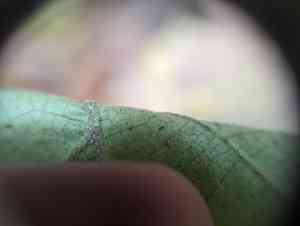
Ashy hydrangea (Hydrangea cinerea)
Also known as: Ashy Hydrangea
Ashy hydrangea features a corymb inflorescence, where the flower clusters form a flat-topped structure. The noticeable, sterile flowers, which are white to nearly white, are limited in number (0–3 per cluster) and are positioned around the edge of the corymb. These flowers are generally more than 1 cm across. Blooming happens in late spring to early summer. The plant has large, opposite, serrated, ovate leaves that are 8 to 15 cm in length and are deciduous.
In This Article
Attributes of Ashy hydrangea
Lifespan
Perennial
Plant Type
Shrub
Plant Height
1-3 meters
Spread
1-2 meters
Leaf Color
Green
Flower Size
6-10 cm
Flower Color
Creamy white
Images of Ashy hydrangea
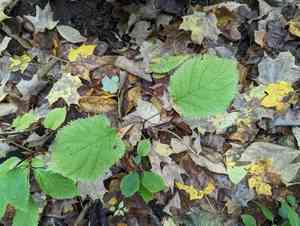

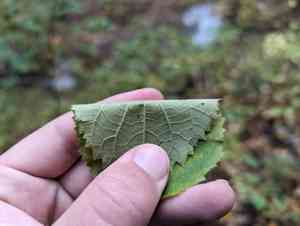
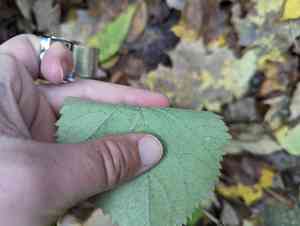
Quickly Identify Ashy hydrangea
1
Leaves ovate, 6 inches (15 cm) long, gray-haired undersides creating a frosted look.
2
Clusters of small, creamy-white flowers in rounded bunches, blooming in spring.
3
Fruit capsules split open at ripening, appearing in late spring to early summer.
4
Opposite leaves with toothed margins, green upper surface, and fuzzy gray underside.
5
Smooth bark ranging from brown to orange-red, with shingled bud scales on twigs.
Scientific Classification of Ashy hydrangea
Phylum
Vascular plants
Class
Dicotyledons
Order
Cornales
Family
Hydrangea
Genus
Hydrangeas
Species
Ashy hydrangea
Planting and Growing of Ashy hydrangea
Care Difficulty
Easy
Watering Schedule
Every 4 days
Sunlight Requirements
Partial sun
Sunshine Duration
4-6 hours
Ideal Temperature
60-75℉
Soil Type
Potting Mix, Peat Mix
Soil pH
5.5-6.5
Fertilizer Type
Balanced
Pruning Season
Spring, Summer
Pruning Area
Branches, Leaves
Pruning Frequency
2 times a year
Repotting Season
Spring
Pot Type
Plastic, Ceramic
 How to Water Ashy hydrangea?
Hydrangea cinerea thrives on consistent and thorough watering, ensuring the soil is evenly moist but not waterlogged. Aim for about 500 milliliters per session, enough to reach the depth of the root zone without leaving standing water.
What are the symptoms of an underwatered Ashy hydrangea?
›
What should I do if my Ashy hydrangea is not getting enough water?
›
What are the symptoms of an overwatered Ashy hydrangea?
›
How to save an overwatered Ashy hydrangea?
›
 What Are the Sunlight Requirements for Ashy hydrangea?
The ideal light range for Hydrangea cinerea involves partial sun, such as dappled or morning sunlight. Adequate light exposure ensures vibrant foliage and maximizes flowering potential, supporting healthy development throughout its growth cycle.
What is the ideal outdoor location for Hydrangea cinerea?
›
How to ensure Hydrangea cinerea gets partial sun indoors?
›
What role does proper lighting play in the flowering of Hydrangea cinerea?
›
 What Is the Ideal Temperature Range for Ashy hydrangea?
The ideal temperature range for Hydrangea cinerea is between 60°F and 75°F. This range allows the plant to thrive, ensuring optimal growth and blooming. The environment should be consistent within this range to avoid stress that can affect the plant's health and development.
 What Soil is Best for Ashy hydrangea?
Hydrangea cinerea thrives in well-drained soil that prevents waterlogging. Adequate drainage promotes root health by allowing excess moisture to escape, reducing the risk of root rot and fostering healthier growth and blooms. To flourish, Hydrangea cinerea requires a nutrient-rich soil with organic matter, which supplies essential minerals and nutrients. This results in robust foliage and vibrant flowers, maintaining the plant’s attractiveness throughout the growing season. This plant needs consistently moist but not overly wet soil. Regular moisture supports steady growth and prevents wilting. Ensuring the soil retains moisture also helps in sustaining its lush green appearance during dry spells.
 How to Fertilize Ashy hydrangea?
When applying fertilizers to Hydrangea cinerea, use a balanced fertilizer with equal parts of nitrogen, phosphorus, and potassium, such as a 10-10-10 formula. For liquid fertilizers, dilute at a rate of 1 tablespoon per gallon of water and ensure the soil is already moist to prevent root burning.
 How to Prune Ashy hydrangea?
Begin by removing dead or damaged stems to improve the plant's overall health. Next, prune back any stems that are crossing or entangled to avoid crowding. Look for last year's spent blooms and cut back to the next set of buds. Finally, shape the plant for even growth, making sure to maintain the natural form of the hydrangea. It's crucial to prune Hydrangea cinerea after its bloom period in midsummer and again slightly in early spring. This allows the plant to put energy into new growth and flowering, maximizing its blooming potential.
 How to Propagate Ashy hydrangea plant?
1
Choose healthy, disease-free stems from the parent plant during the morning when they are most hydrated. This ensures the cuttings have the best chance to root successfully.
2
Use a well-draining soil mix, combining peat and sand, to provide the ideal environment for cuttings or seeds. This mix should retain moisture while allowing excess water to drain away.
3
Insert the cuttings into the soil mix or sow seeds evenly. For cuttings, ensure at least one node is buried in the mix. Water the planting medium lightly to avoid soaking.
 How to Repot Ashy hydrangea plant?
1
It's time to repot your Hydrangea cinerea when you notice stunted growth or if roots start to come out through the drainage holes. These signs indicate that the plant has outgrown its current pot and is seeking more space and nutrients.
2
Select a pot that is one to two inches larger in diameter than the current one. This size upgrade ensures the roots have enough space to grow without overwhelming the plant with too much soil, which can retain excess moisture and potentially cause root rot.
3
Choose a well-draining, acidic soil mix to mimic the plant's natural habitat. This soil type helps balance moisture retention with proper drainage, ensuring the roots remain healthy and promote strong, vibrant growth.
Learn More About Ashy hydrangea Diseases
Anthracnose
Bacterial Leaf Spot
Bacterial Soft Rot
Bacterial Wilt
Black Spot
Chemical Injury
Crown Gall
Damping-off
Downy Mildew
Drought Stress
Fusarium Wilt
Gray Mold
Leaf Curl
Leaf Spot
Mosaic
Nutrient Deficiency
Nutrient Toxicity
Powdery Mildew
Root Rot
Root-knot Nematode
Rusts
Sooty Mold
Spider Mites
Temperature Stress
Thrips Damage
White Mold



