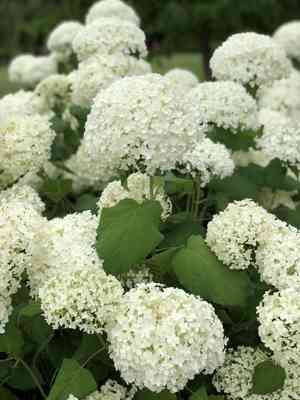
Smooth hydrangea (Hydrangea arborescens)
Also known as: Wild hydrangea, Tree hydrangea
The **Smooth Hydrangea (*Hydrangea arborescens*)** is a deciduous shrub native to streambanks, gorges, and wooded slopes across Northern America. Known for its large, striking white flower clusters that bloom in summer, this plant is a popular choice for ornamental use. It's particularly well-suited for borders and thrives in moist, well-drained soils commonly found near water bodies.
Attributes of Smooth hydrangea
Images of Smooth hydrangea
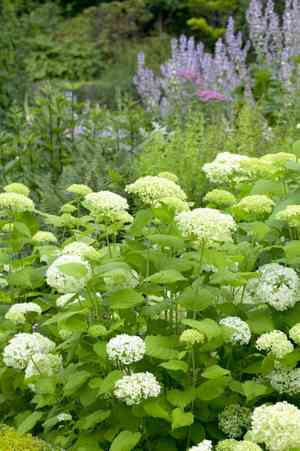

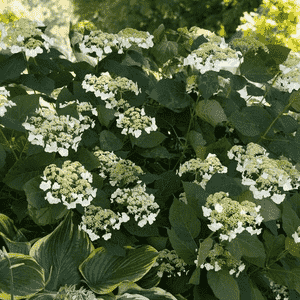
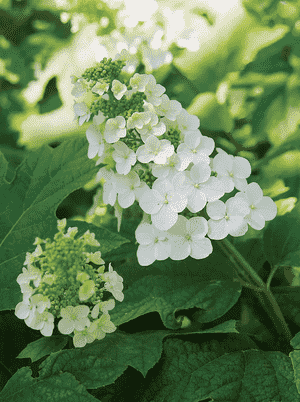
Quickly Identify Smooth hydrangea
Scientific Classification of Smooth hydrangea
Planting and Growing of Smooth hydrangea
 How to Water Smooth hydrangea?
 What Are the Sunlight Requirements for Smooth hydrangea?
 What Is the Ideal Temperature Range for Smooth hydrangea?
 What Soil is Best for Smooth hydrangea?
 How to Fertilize Smooth hydrangea?
 How to Prune Smooth hydrangea?
 How to Propagate Smooth hydrangea plant?
 How to Repot Smooth hydrangea plant?
Toxicity of Smooth hydrangea
Is Smooth hydrangea toxic to cat?
The smooth hydrangea (Hydrangea arborescens) poses a moderate level of toxicity to felines. The leaves and every part of the flower harbor toxins. Ingesting a substantial quantity can lead to symptoms such as nausea, diarrhea, vomiting, difficulty breathing, lethargy, and skin irritation. Young cats and kittens are particularly susceptible to severe health issues. If your cat has consumed any portion of this plant, it is advisable to consult your veterinarian.
Is Smooth hydrangea toxic to dog?
Smooth hydrangeas pose a mild toxicity risk to dogs. Their leaves, flowers, and buds contain toxic compounds, with the highest levels typically found in the flowers and immature leaves. The most frequently observed symptoms following the ingestion of smooth hydrangea include vomiting and diarrhea. Fortunately, serious poisoning incidents are uncommon, as a considerable quantity of this toxin must be ingested to result in a fatal outcome.



