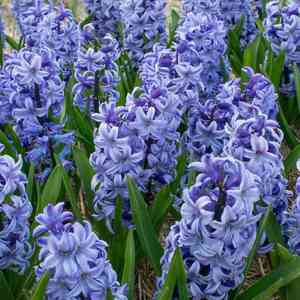
Common hyacinth (Hyacinthus orientalis)
Also known as: Garden hyacinth, Wild hyacinth
The common hyacinth, scientifically known as Hyacinthus orientalis, is one of spring's early blooms. Its name is derived from the Greek mythological figure, Hyacinthus. In the legend, Hyacinthus was a handsome youth loved by both Apollo and Zephyrus. Tragically, he was killed, leading to a flower sprouting from the place where his blood touched the ground. In memory of his beloved, Apollo named this new flower "hyacinth." This story reflects themes of love, beauty, and the cycle of life and death.
Attributes of Common hyacinth
Images of Common hyacinth

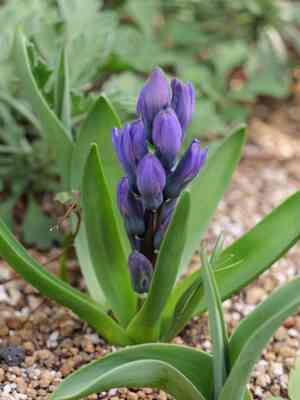
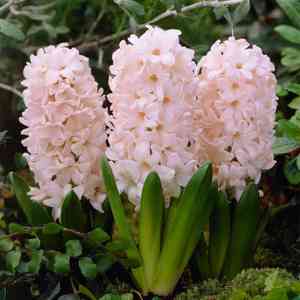
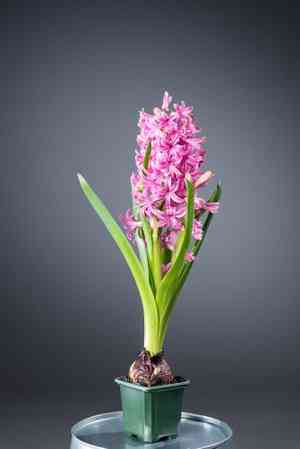
Quickly Identify Common hyacinth
Scientific Classification of Common hyacinth
Planting and Growing of Common hyacinth
 How to Water Common hyacinth?
 What Are the Sunlight Requirements for Common hyacinth?
 What Is the Ideal Temperature Range for Common hyacinth?
 What Soil is Best for Common hyacinth?
 How to Fertilize Common hyacinth?
 How to Prune Common hyacinth?
 How to Propagate Common hyacinth plant?
 How to Repot Common hyacinth plant?
Toxicity of Common hyacinth
Is Common hyacinth toxic to humans?
The common hyacinth is an exquisite herbaceous plant valued for its ornamental qualities; however, it poses significant toxicity risks to both humans and animals.
Is Common hyacinth toxic to cat?
Mastication of any portion of the common hyacinth (Hyacinthus orientalis) will liberate calcium oxalate crystals, which are harmful to both dogs and cats, with the bulbs possessing especially elevated levels of these toxins. These crystals can irritate the oral cavity, leading to discomfort and inflammation. Ingestion may result in symptoms such as vomiting or diarrhea. In some instances, swelling of the airway may occur, making it challenging for the cat to breathe. In these situations, veterinary assistance may be required.
Is Common hyacinth toxic to dog?
The common hyacinth poses a moderate to significant toxicity threat to dogs. Severe poisoning is likely if a dog ingests a substantial quantity of its bulbs, which hold the highest concentration of the toxin (though all parts of the plant contain it, albeit at lower levels). If your dog chews or ingests any portion of the plant, it may experience tissue irritation in the mouth and esophagus. Symptoms manifest as excessive drooling, vomiting, and diarrhea, varying based on the amount consumed. In some cases, this condition can escalate to involve cardiac and respiratory changes.



