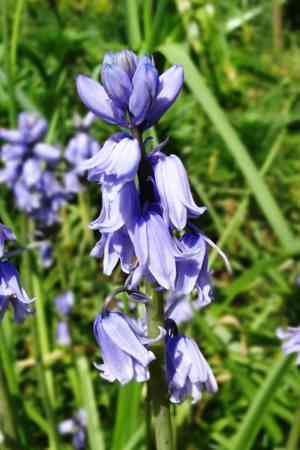
Spanish bluebell (Hyacinthoides hispanica)
Also known as: Wood hyacinth
The Spanish bluebell (Hyacinthoides hispanica) is a perennial plant native to the Iberian Peninsula. It features lighter blue flowers compared to the common bluebell and is frequently grown in gardens.
Attributes of Spanish bluebell
Images of Spanish bluebell
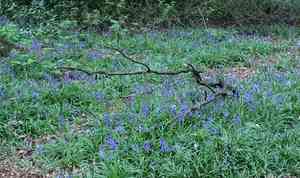
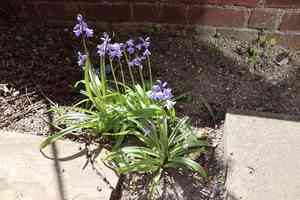
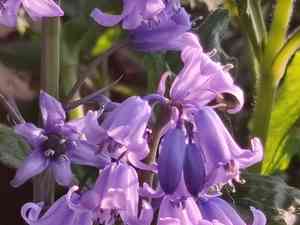
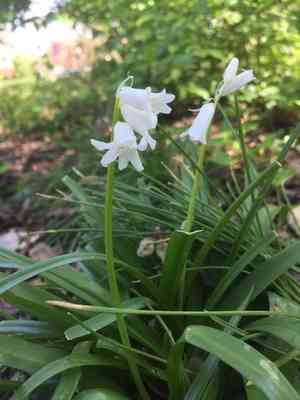
Quickly Identify Spanish bluebell
Scientific Classification of Spanish bluebell
Planting and Growing of Spanish bluebell
 How to Water Spanish bluebell?
 What Are the Sunlight Requirements for Spanish bluebell?
 What Is the Ideal Temperature Range for Spanish bluebell?
 What Soil is Best for Spanish bluebell?
 How to Fertilize Spanish bluebell?
 How to Prune Spanish bluebell?
 How to Propagate Spanish bluebell plant?
 How to Repot Spanish bluebell plant?
Toxicity of Spanish bluebell
Is Spanish bluebell toxic to cat?
The Spanish bluebell presents a considerable danger to feline health owing to its toxic characteristics. Every component of the plant, including its flowers, fruits, leaves, roots, seeds, stems, and sap/juice, poses this hazard. Cats may accidentally ingest these parts and suffer from toxicity. After consumption, affected felines may exhibit symptoms of physical distress or sickness in multiple forms, signaling the urgency for immediate care. It is crucial for cat owners to swiftly obtain treatment at a veterinary clinic if they suspect their cat has been poisoned by Spanish bluebells to safeguard their pet's health.
Is Spanish bluebell toxic to dog?
The Spanish bluebell is recognized as a toxic species for canines. Dogs are at risk of poisoning if they consume any part of this plant, including its flowers, fruits, leaves, roots, seeds, stems, and sap. Accidental ingestion may happen as dogs explore their surroundings or frolic in areas where Spanish bluebells are present. Following the consumption of Spanish bluebell parts, dogs may display a variety of symptoms that signal poisoning. These symptoms can vary from mild to severe and may include vomiting, diarrhea, fatigue, abdominal discomfort, excessive drooling, or more critical signs such as alterations in heart rate or respiratory issues. It is essential for dog owners to closely supervise their pets and restrict access to Spanish bluebells to prevent any accidental consumption. If there is suspicion that a dog has ingested Spanish bluebell and is exhibiting symptoms of poisoning, seeking prompt veterinary assistance is vital to ensure the best possible recovery for the animal.



