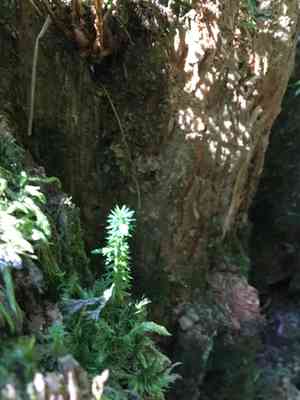
Western clubmoss (Huperzia occidentalis)
Also known as: None
Western clubmoss is a perennial plant, resembling ferns, with distinctive club-like, evergreen shoots emerging from a creeping base. Its tightly packed, linear leaves give it a textured look. It prospers in moist, shady forest environments and can grow both on the ground and on tree trunks, taking advantage of the high moisture and shade available in these habitats.
In This Article
Attributes of Western clubmoss
Lifespan
Perennial
Plant Height
10-30 cm
Spread
Not applicable
Leaf Color
Green
Flower Size
Not applicable
Flower Color
Not applicable
Images of Western clubmoss
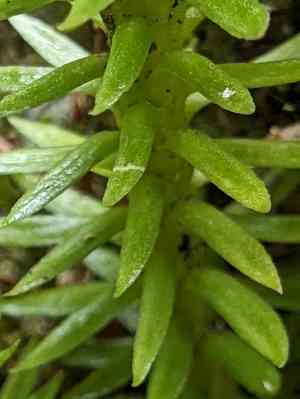
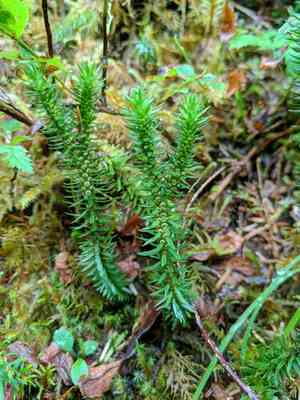
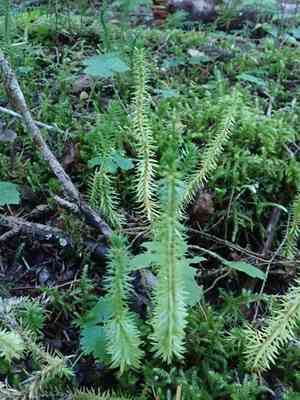
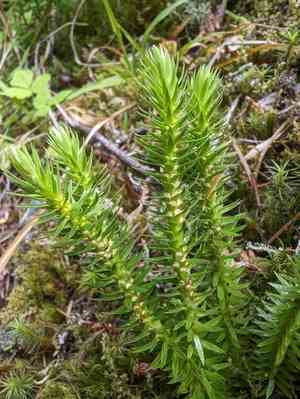
Quickly Identify Western clubmoss
1
Look for small, linear leaves arranged in a spiral along a single stem. These plants often grow in a fan-like pattern and typically inhabit moist, shaded areas.
Scientific Classification of Western clubmoss
Phylum
Lycopodiophyta
Class
Lycopodiopsida
Order
Lycopodiales
Family
Lycopodiaceae
Genus
Huperzia
Planting and Growing of Western clubmoss
Care Difficulty
Hard
Watering Schedule
Every 2 days
Sunlight Requirements
Partial sun
Sunshine Duration
4-10 hours
Ideal Temperature
65-75℉
Soil Type
Potting Mix, Peat Mix
Soil pH
5.5-6.5
Fertilizer Type
Balanced
Pruning Season
Spring, Summer
Pruning Area
Branches, Leaves
Pruning Frequency
2 times a year
Repotting Season
Spring
Pot Type
Plastic, Ceramic
 How to Water Western clubmoss?
The watering amount for Huperzia occidentalis should follow the principle of soil being consistently moist. Each watering should aim to deliver around 200 milliliters of water, ensuring moisture reaches approximately the top third of the soil. This mimics its natural habitat where it receives frequent gentle rainfall.
What are the symptoms of an underwatered Western clubmoss?
›
What should I do if my Western clubmoss is not getting enough water?
›
What are the symptoms of an overwatered Western clubmoss?
›
How to save an overwatered Western clubmoss?
›
 What Are the Sunlight Requirements for Western clubmoss?
Huperzia occidentalis prefers partial sun or full shade, benefitting from dappled sunlight similar to its natural environment. This helps maintain robust health and vibrant foliage.
What is the best lighting for Huperzia occidentalis?
›
How can I provide optimal lighting for this plant?
›
What benefits can optimal lighting offer?
›
 What Is the Ideal Temperature Range for Western clubmoss?
For optimal growth, Huperzia occidentalis thrives in a temperature range between 65°F and 75°F. Maintaining these temperatures ensures that the plant's metabolic processes operate efficiently, leading to healthy foliage and overall plant vigor. Consistent temperature within this range is crucial, as fluctuations could potentially stress the plant.
 What Soil is Best for Western clubmoss?
Huperzia occidentalis thrives in nutrient-rich soil, providing essential minerals and nutrients vital for its growth. This nutrient abundance supports strong, healthy foliar development, leading to vibrant foliage. Ensuring that the soil drains well is crucial for preventing root rot. This type of soil maintains perfect moisture levels, promoting robust root health and reducing the risks of fungal infections. The plant prefers soil that retains moisture without becoming waterlogged. This balance ensures that Huperzia occidentalis remains hydrated, supporting photosynthesis and overall vitality.
 How to Fertilize Western clubmoss?
For Huperzia occidentalis, it is essential to use a diluted liquid fertilizer at 1/4 strength every two weeks during the growing season. Be cautious not to over-fertilize as it prefers a low nutrient environment.
 How to Prune Western clubmoss?
Never prune more than 30% of the plant at a time to avoid shock. Avoid cutting during extreme weather conditions. It’s also important to check for any signs of pests before pruning, as this could help you decide which sections need more attention.
More About Pruning Techniques→
 How to Propagate Western clubmoss plant?
1
Select healthy shoots for cuttings in spring or early summer. Each cutting should be about 5 to 8 centimeters in length. Remove lower leaves to prevent rot and dip in rooting hormone.
2
Use a well-draining potting mix and plant each cutting approximately 1-2 centimeters deep. Space them adequately to ensure good air circulation and place in a warm, humid environment.
3
For tissue culture, start with sterilized plant material. Place the cut or divided parts in a sterile medium, ensuring no contamination, for in vitro growth.
 How to Repot Western clubmoss plant?
1
Repot Huperzia occidentalis when you notice roots growing through the drainage holes, indicating that the plant is becoming rootbound. Additionally, if the plant's growth appears stunted despite proper care, it might be a sign that repotting is needed. It's best to repot during the growing seasons, either in spring or autumn, to ensure it recovers quickly.
2
Select a pot that is slightly larger than the current one, with ample drainage holes to prevent water from accumulating at the bottom. Huperzia occidentalis prefers tight spaces, so avoid oversized pots as they can lead to waterlogged conditions, potentially harming the roots. Material-wise, clay or terracotta pots are ideal as they allow for better air circulation.
3
Opt for a well-draining orchid mix that includes components like fir bark, perlite, and charcoal. These elements provide the aeration and drainage that Huperzia occidentalis needs, mimicking its natural epiphytic habitat. This soil type prevents water from sitting at the roots, reducing the risk of root rot.


