
Mexican tulip poppy (Hunnemannia fumariifolia)
Also known as: Mexican Tulip Poppy, Tulip Poppy
The Dahlia is a bushy flower that naturally flourishes in the highlands of Mexico at elevations ranging from 1494 to 1981 meters. Known for its wide array of varieties, the Dahlia is frequently utilized in horticulture and landscaping due to its vibrant and diverse blooms.
In This Article
Attributes of Mexican tulip poppy
Lifespan
Perennial
Plant Type
Herb
Plant Height
90 cm
Spread
30 cm
Leaf Color
Green Blue Gray
Flower Size
5-8 cm (2-3 inches)
Flower Color
Yellow Orange
Images of Mexican tulip poppy
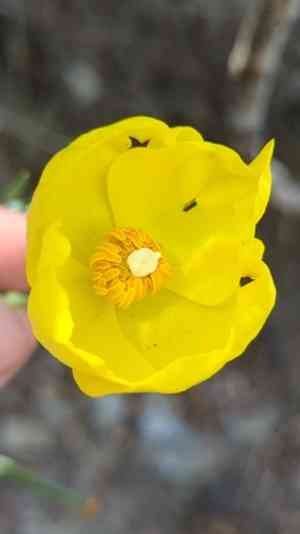
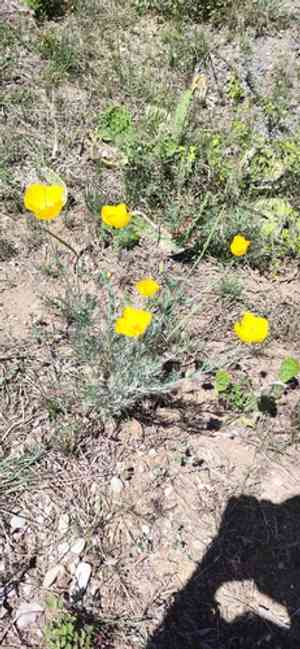

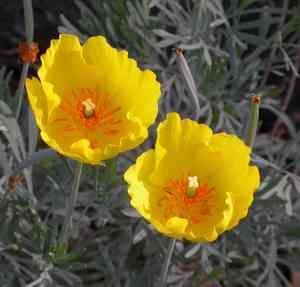
Quickly Identify Mexican tulip poppy
1
Bushy perennial, max height 2 feet (60 cm) with delicate blue-green finely dissected foliage.
2
Bright yellow flowers, 2 inches (5 cm) wide, with crinkled petals and prominent orange stamens.
Scientific Classification of Mexican tulip poppy
Phylum
Vascular plants
Class
Dicotyledons
Order
Ranunculales
Family
Poppy
Genus
Tulip poppy
Species
Mexican tulip poppy
Planting and Growing of Mexican tulip poppy
Care Difficulty
Easy
Watering Schedule
Every 3 days
Sunlight Requirements
Full sun
Sunshine Duration
4-6 hours
Ideal Temperature
65-75℉
Soil Type
Potting Mix, Peat Mix
Soil pH
6.5-7.5
Fertilizer Type
Balanced
Pruning Season
Spring, Summer
Pruning Area
Branches, Leaves
Pruning Frequency
2 times a year
Repotting Season
Spring
Pot Type
Plastic, Ceramic
 How to Water Mexican tulip poppy?
The watering amount for Hunnemannia fumariifolia should be around 500 ml per session. It's crucial to water the plant deeply but allow the top inches of soil to dry out completely between sessions. This measure prevents root rot and mimics the plant's natural arid habitat, promoting robust growth and vibrant bloom production.
What are the symptoms of an underwatered Mexican tulip poppy?
›
What should I do if my Mexican tulip poppy is not getting enough water?
›
What are the symptoms of an overwatered Mexican tulip poppy?
›
How to save an overwatered Mexican tulip poppy?
›
 What Are the Sunlight Requirements for Mexican tulip poppy?
Hunnemannia fumariifolia thrives best in full sun, benefiting from generous light exposure that supports its metabolic functions and aesthetic vibrancy, resulting in more frequent and vibrant blooms.
More About Sunlight Requirements Techniques→
What is the best placement for Hunnemannia fumariifolia?
›
How can I ensure my plant receives adequate sunlight?
›
What are the benefits of proper lighting for this plant?
›
 What Is the Ideal Temperature Range for Mexican tulip poppy?
Hunnemannia fumariifolia thrives in temperatures ranging from 65°F to 75°F. This range ensures optimal growth and flowering, as these conditions mimic its native environment. Staying within these temperatures helps maintain the plant's metabolic functions and supports robust blooming.
 What Soil is Best for Mexican tulip poppy?
Hunnemannia fumariifolia thrives in well-draining soil that prevents waterlogging. Excess moisture can lead to root rot, so ensuring good drainage is crucial for healthy growth. A nutrient-rich substrate enhances the growth and blooming of this plant. Regularly amending the soil with organic matter or compost can provide the necessary nutrients, vital for vibrant flowers and robust foliage. Hunnemannia fumariifolia prefers a neutral to slightly alkaline pH, ranging from 6.5 to 7.5. Maintaining this pH balance helps in optimal nutrient absorption, promoting a stronger plant structure.
 How to Fertilize Mexican tulip poppy?
Hunnemannia fumariifolia thrives with a moderate amount of fertilizer. Over-fertilizing can harm this plant, so it's essential to strike a balance. Using a diluted liquid fertilizer, such as a water-soluble balanced type, can aid in maintaining its vibrant foliage and blooms.
 How to Prune Mexican tulip poppy?
Gently pinch or cut off spent flowers to encourage continual blooming throughout the season. This process is known as deadheading and can extend the flowering period. Look for any overgrown branches that are disrupting the plant's shape. Trim them back, ensuring you leave enough foliage to support bloom production. During early spring, begin shaping your Hunnemannia fumariifolia. Cut back about a third of its previous year's growth. This helps in maintaining a compact form and encourages vigorous growth.
More About Pruning Techniques→
 How to Propagate Mexican tulip poppy plant?
1
Begin by soaking the seeds of Hunnemannia fumariifolia in lukewarm water for 24 hours to soften the seed coat, promoting faster germination. This step helps increase the germination rate by allowing better moisture penetration.
2
Fill a seedling tray with a well-draining potting mix. Sow the seeds about 1/4 inch deep and cover them lightly with soil. Ensure even spacing between seeds to allow room for growth. Water lightly to settle the soil without disturbing the seeds.
3
Position the tray in a sunny location where it receives indirect sunlight for at least 6-8 hours daily. Maintain a warm temperature between 70°F and 75°F. Keep the soil consistently moist using a spray bottle to avoid dislodging the seeds.
 How to Repot Mexican tulip poppy plant?
1
Hunnemannia fumariifolia shows signs it’s ready for a new pot when its roots start growing out of the drainage holes or crowding the pot. Another signal is a reduced growth rate despite optimal conditions. Observing these indicators ensures that your plant continues to thrive and prevents root-bound scenarios.
2
When selecting a new pot, opt for one that is 1 to 2 inches larger in diameter than the current pot. This prevents waterlogging and root rot while providing ample room for growth. A pot with drainage holes is essential, ensuring excess water escapes, thus preventing suffocation of roots.
3
Choose a well-draining, sandy, and loamy soil mix. This composition supports excellent aeration and adequate moisture retention without waterlogging. It's crucial for mimicking the plant's natural habitat, promoting robust growth, and ensuring a healthy root system.



