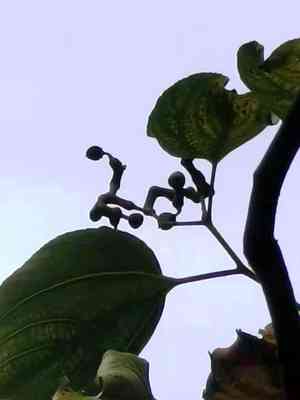
Japanese raisin tree (Hovenia dulcis)
Also known as: Japanese raisin
The tree in question is a deciduous species that typically grows between 10 and 30 meters in height, though it is rarely found as a shrub. Its branchlets are smooth and can be brown or dark purple, featuring subtle lenticels. The leaves are glossy, large, and pointed. In summer, the tree produces clusters of small, cream-colored hermaphroditic flowers. The fruit is a drupe, positioned at the ends of fleshy stalks, and is an accessory type of fruit that is also edible.
In This Article
Attributes of Japanese raisin tree
Lifespan
Perennial
Plant Type
Tree, Shrub
Plant Height
10 m to 30 m
Spread
9 m to 12 m
Leaf Color
Green
Flower Size
6 mm to 8 mm
Flower Color
Green Cream
Images of Japanese raisin tree
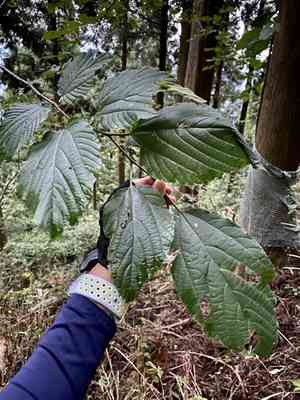
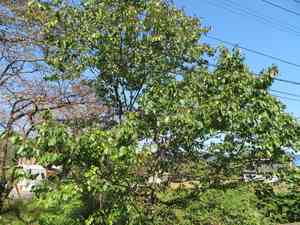
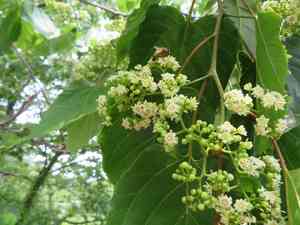
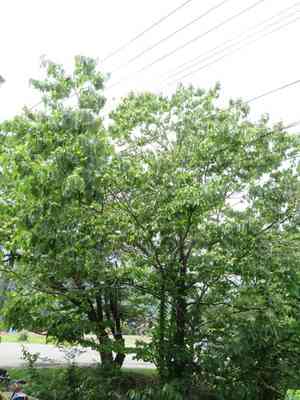
Quickly Identify Japanese raisin tree
1
Deciduous foliage with broad ovate leaves (5-15 cm, 2-6 inches) and serrated margins.
2
Edible swollen peduncles turning reddish when ripe, harboring small nutlets within sweet stalks.
3
Cream-colored, small flowers in dense clusters (0.2 inches, 5 mm) with subtle scent.
4
Unique fleshy, red capsules, 0.8-1.2 inches (2-3 cm), clustered, succulent, and versatile for culinary uses.
5
Glossy green leaves (4-6 inches, 10-15 cm) with distinct vein patterns, turning yellow before fall.
Scientific Classification of Japanese raisin tree
Phylum
Vascular plants
Class
Dicotyledons
Order
Rosales
Family
Buckthorn
Genus
Hovenia
Species
Japanese raisin tree
Planting and Growing of Japanese raisin tree
Care Difficulty
Easy
Watering Schedule
Every 2 days
Sunlight Requirements
Full sun
Sunshine Duration
4-6 hours
Ideal Temperature
60-77℉
Soil Type
Potting Mix, Peat Mix
Soil pH
6-8
Fertilizer Type
Balanced
Pruning Season
Spring, Summer
Pruning Area
Branches, Leaves
Pruning Frequency
2 times a year
Repotting Season
Spring
Pot Type
Plastic, Ceramic
 How to Water Japanese raisin tree?
For Hovenia dulcis, also known as the Japanese Raisin Tree, provide approximately 1000 ml of water at each watering. Watering should be done deeply to ensure that the entire root system receives adequate moisture. Allow the water to soak into the soil slowly until it seeps out of the drainage holes, indicating that the water has reached the root zone.
What are the symptoms of an underwatered Japanese raisin tree?
›
What should I do if my Japanese raisin tree is not getting enough water?
›
What are the symptoms of an overwatered Japanese raisin tree?
›
How to save an overwatered Japanese raisin tree?
›
 What Are the Sunlight Requirements for Japanese raisin tree?
Hovenia dulcis flourishes best in full sun to partial shade. Adequate light enhances photosynthesis, boosts energy production, and supports vigorous growth, flowering, and fruiting, making it essential for optimal plant health.
More About Sunlight Requirements Techniques→
How much light does Hovenia dulcis prefer?
›
What solutions exist for ideal light?
›
How does the plant benefit from ideal light?
›
 What Is the Ideal Temperature Range for Japanese raisin tree?
Hovenia dulcis thrives in a temperature range between 60°F and 77°F. This range provides the optimal conditions for growth and fruit production, as it mimics the plant’s natural warm temperate climate. Maintaining this temperature helps in ensuring healthy development and minimizes stress on the plant.
 What Soil is Best for Japanese raisin tree?
Hovenia dulcis thrives in well-draining soils that prevent waterlogging, which can lead to root rot. Ensuring good drainage enhances root oxygenation and supports vigorous growth. This plant benefits from soils rich in organic matter, providing essential nutrients for robust growth and fruit production. Fertile soils contribute to improving the plant's resilience. While well-draining, the soil should also retain adequate moisture to keep roots hydrated without being waterlogged, supporting consistent growth throughout dry spells.
 How to Fertilize Japanese raisin tree?
Hovenia dulcis, commonly known as the Japanese Raisin Tree, benefits from moderate nitrogen and potassium levels. During active growth phases, apply 100 grams of a balanced 10-10-10 fertilizer per plant monthly. For optimal growth, adjust the quantity based on plant size and growth, ensuring the soil pH remains between 6.0 and 6.5 to maximize nutrient uptake.
 How to Prune Japanese raisin tree?
Begin by identifying and removing any dead or diseased branches. This promotes overall plant health and helps prevent the spread of disease throughout the Hovenia dulcis. Prune to encourage an open, vase-like shape that allows light and air to penetrate the crown. This technique helps in reducing fungal issues and allows the center of the plant to thrive. Trim back branches to maintain your desired shape and prevent the plant from becoming too large for its environment. Focus on cutting just above a bud or at a branch junction for best results. Clean your tools between cuts, especially when cutting diseased branches, to prevent cross-contamination. A simple alcohol wipe can be effective for keeping your blades clean.
More About Pruning Techniques→
 How to Propagate Japanese raisin tree plant?
1
Collect seeds from mature Hovenia dulcis fruit in the spring. Ensure seeds are fully ripened to maximize germination success. Clean the seeds and remove any pulp before sowing.
2
Select healthy branches that are disease-free and about 15-20 cm long. Make a clean cut just below a node. Remove leaves from the lower half to focus the plant's energy on root development.
3
Choose a compatible rootstock and scion for grafting. Make precision cuts to join the vascular tissues properly. Secure the graft with tape and ensure it is kept in a controlled environment to heal effectively.
 How to Repot Japanese raisin tree plant?
1
Repot Hovenia dulcis when you notice roots growing out of the drainage holes, or when the plant shows signs of stunted growth. This indicates that it needs more space to expand and access nutrients effectively. Ideally, choose late spring or early summer when the plant is actively growing, as this allows it to recover more quickly from the stress of repotting.
2
Choose a pot that is 1-2 inches larger in diameter than the current one, with good drainage holes to prevent waterlogging. A pot that's too large can increase the risk of root rot due to excess moisture retention. A well-fitted pot supports optimal root health and helps the plant establish itself faster in its new environment.
3
Opt for a loamy, well-draining soil mix that allows for adequate aeration and moisture retention. A mix high in organic matter not only supports healthy root development but also provides essential nutrients. This encourages vibrant growth and ensures that the Hovenia dulcis has the optimal conditions to thrive.



