
Chinese raisin tree (Hovenia acerba)
Also known as: Chinese Raisin Tree, Hovenia dulcis
The plant features sizable, vibrant leaves ranging from 10 to 17 centimeters in length. It is capable of growing up to 10 meters tall.
In This Article
Attributes of Chinese raisin tree
Lifespan
Perennial
Plant Type
Tree
Plant Height
25 m
Spread
N/A
Leaf Color
Green
Flower Size
5 mm to 7 mm
Flower Color
Yellow Green
Images of Chinese raisin tree



Quickly Identify Chinese raisin tree
1
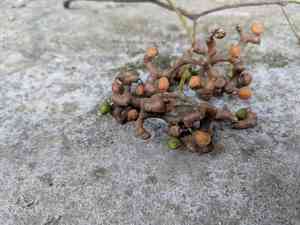
Identify Hovenia acerba through its distinctive zigzag branches, broad leaves with serrated edges, small white flowers, and characteristic fruit stalks that become juicy and sweet when mature.
Scientific Classification of Chinese raisin tree
Phylum
Vascular plants
Class
Dicotyledons
Order
Roses, elms, figs, and allies
Family
Buckthorn
Genus
Hovenia
Species
Chinese raisin tree
Planting and Growing of Chinese raisin tree
Care Difficulty
Easy
Watering Schedule
Every 3 days
Sunlight Requirements
Partial sun
Sunshine Duration
4-8 hours
Ideal Temperature
59-77℉
Soil Type
Potting Mix, Peat Mix
Soil pH
6.5-7.5
Fertilizer Type
Balanced
Pruning Season
Spring, Summer
Pruning Area
Branches, Leaves
Pruning Frequency
2 times a year
Repotting Season
Spring
Pot Type
Plastic, Ceramic
 How to Water Chinese raisin tree?
The Hovenia acerba prefers a consistent watering schedule where the soil remains moderately moist, but not waterlogged. It is crucial to water it until the soil is soaked thoroughly, making sure that the excess water drains out from the bottom of the pot. This ensures that the roots are able to absorb adequate moisture without sitting in stagnant water.
What are the symptoms of an underwatered Chinese raisin tree?
›
What should I do if my Chinese raisin tree is not getting enough water?
›
What are the symptoms of an overwatered Chinese raisin tree?
›
How to save an overwatered Chinese raisin tree?
›
 What Are the Sunlight Requirements for Chinese raisin tree?
Hovenia acerba benefits most from a mix of partial to full sun, as this range supports energy absorption for robust growth and enhances its intrinsic beauty.
How much sunlight is ideal for Hovenia acerba?
›
How can I achieve ideal lighting conditions?
›
What benefits come with ideal lighting?
›
 What Is the Ideal Temperature Range for Chinese raisin tree?
For optimal growth, Hovenia acerba thrives best in a temperature range of 59°F to 77°F. This range provides an ideal balance of warmth without causing heat stress or chilling the plant, enabling healthy growth and development.
 What Soil is Best for Chinese raisin tree?
Hovenia acerba thrives in nutrient-rich soils that are well-drained. Ensuring the soil contains adequate nutrients promotes vigorous growth and robust fruit production. This plant prefers soils that can retain moisture without becoming waterlogged. Proper moisture retention supports the plant's metabolic processes and ensures consistent growth patterns. Good aeration is crucial for Hovenia acerba, as it ensures efficient oxygen flow to the roots. Effective aeration prevents root rot and promotes healthy root development, which is vital for nutrient uptake.
 How to Fertilize Chinese raisin tree?
For Hovenia acerba, the amount of fertilizer should be carefully measured to avoid overfeeding. Use approximately 10 grams of balanced fertilizer per 1 square meter of soil. Ensure that the soil is moist before applying any fertilizer to prevent burns.
 How to Prune Chinese raisin tree?
Before you start, step back and look at the overall structure of the Hovenia acerba. Identify the main branches that form the plant's structure, as these should mostly remain intact to provide support and shape. When cutting branches, make clean, angled cuts just above a node or bud. This encourages healthy new growth and reduces the risk of leaving stubs, which can become entry points for pests and diseases. Ensure that the base of the plant is free from overgrowth to improve air circulation. Good airflow can prevent fungal diseases and help the soil dry out between waterings. After pruning, monitor the plant's response over the following weeks. Look for signs of vigorous new growth, which indicates successful pruning, or any issues that might arise, requiring further intervention.
More About Pruning Techniques→
 How to Propagate Chinese raisin tree plant?
1
Harvest ripe fruits and extract the seeds. Clean and dry the seeds thoroughly before planting to prevent mold and disease during the germination phase.
2
Select healthy stems from the current year's growth. Cut a 6-inch segment just below a node and remove any leaves from the lower half to reduce moisture loss.
3
For seeds, sow them in a seed tray with moist potting mix. For cuttings, dip the cut end in rooting hormone and plant in a well-draining medium. Keep the tray in a warm, well-lit area but out of direct sunlight.
 How to Repot Chinese raisin tree plant?
1
Repotting Hovenia acerba should be considered if the roots begin to circle the pot's interior, indicating overcrowding. Another key sign is slowed growth despite good care. Additionally, if the plant's roots are peeking through the drainage holes, it's definitely time to consider repotting. The best timing for this process is during its growing periods in spring or autumn, which minimizes stress.
2
Select a pot that is 2 inches wider and deeper than the current one to accommodate growth. It should have adequate drainage holes at the bottom to prevent waterlogging, which can lead to root rot. The benefit of choosing an appropriately sized and well-draining pot is the promotion of healthy root development and overall plant vigor, reducing the risk of overwatering.
3
Opt for a well-draining sandy loam soil to provide a combination of moisture retention and efficient drainage, crucial for Hovenia acerba. This type of soil prevents water from lingering, reducing the risk of fungal infections. Additionally, the loam provides vital nutrients while supporting a healthy balance of water and air in the soil structure.



