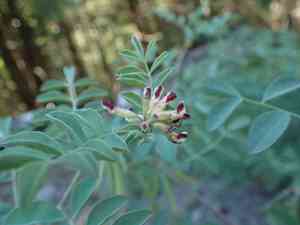
Otay lotus (Hosackia crassifolia)
Also known as: Otay mountain hosackia
Otay lotus (Hosackia crassifolia) is a perennial herb native to California, known for its spring to summer clusters of purple and white flowers. It flourishes in coastal sage scrub and chaparral habitats, requiring full sun to partial shade and medium to dry, well-drained soils. This plant is also a magnet for bees, butterflies, and other pollinators.
In This Article
Attributes of Otay lotus
Lifespan
Perennial
Plant Type
Herb
Plant Height
30 cm to 1.2 m
Spread
0.3 - 0.6 meters
Leaf Color
Green
Flower Size
8 mm to 1.3 cm
Flower Color
White Purple Red
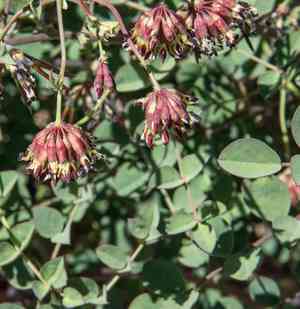
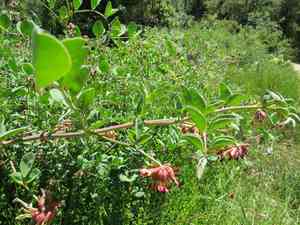
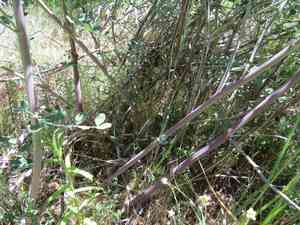
Images of Otay lotus
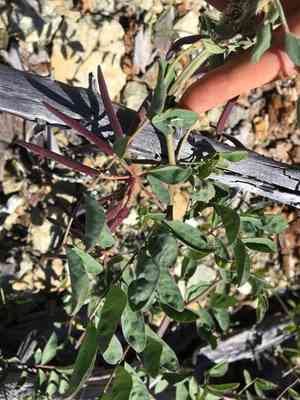
Quickly Identify Otay lotus
1
Hosackia crassifolia can be identified by its thick, fleshy leaves, typically arranged in a compound fashion. The plant produces small, cream-colored flowers that group together in clusters. It often thrives in sandy or rocky soils, commonly near coastal regions.
Scientific Classification of Otay lotus
Phylum
Vascular plants
Class
Dicotyledons
Order
Fabales
Family
Legume
Genus
Hosackia
Species
Otay lotus
Planting and Growing of Otay lotus
Care Difficulty
Moderate
Watering Schedule
Every 3 days
Sunlight Requirements
Full sun
Sunshine Duration
4-8 hours
Ideal Temperature
60-75℉
Soil Type
Potting Mix, Peat Mix
Soil pH
6.5-7.5
Fertilizer Type
Balanced
Pruning Season
Spring, Summer
Pruning Area
Branches, Leaves
Pruning Frequency
2 times a year
Repotting Season
Spring
Pot Type
Plastic, Ceramic
 How to Water Otay lotus?
For Hosackia crassifolia, water until the soil is evenly moist but not waterlogged. It requires about 300 milliliters per watering session, ensuring that any excess drains out to prevent root rot.
What are the symptoms of an underwatered Otay lotus?
›
What should I do if my Otay lotus is not getting enough water?
›
What are the symptoms of an overwatered Otay lotus?
›
How to save an overwatered Otay lotus?
›
 What Are the Sunlight Requirements for Otay lotus?
Hosackia crassifolia prefers full sun to partial sun exposure, benefiting from consistent light, which supports photosynthesis, robust growth, and prolific flowering.
How much sunlight does Hosackia crassifolia require?
›
What is the best placement for optimal light exposure?
›
How does ideal lighting affect the plant?
›
 What Is the Ideal Temperature Range for Otay lotus?
The ideal temperature range for Hosackia crassifolia is between 60°F to 75°F. This range provides optimal conditions for growth and photosynthesis. Maintaining these temperatures can help ensure that the plant develops properly and stays healthy.
 What Soil is Best for Otay lotus?
Hosackia crassifolia thrives in well-draining soil. This ensures that excess water doesn't pool around the roots, reducing the risk of root rot, a common ailment in plants with poor drainage. The plant performs best in soil rich in organic matter. Abundant nutrients promote healthy growth and vibrant foliage, key indicators of a thriving plant. A balance between sand and organic material is ideal, as it allows for both adequate root penetration and stability. It supports the plant’s ability to anchor and access necessary nutrients and moisture.
 How to Fertilize Otay lotus?
For Hosackia crassifolia, the recommended amount of liquid fertilizer is approximately 1 teaspoon diluted in 1 gallon of water per application. When using slow-release fertilizer, apply about 2 tablespoons around the root zone, ensuring it's evenly spread and covered with soil. This ensures that the plant receives a steady supply of nutrients over time.
 How to Prune Otay lotus?
First, inspect the plant for any dead or diseased branches. Using sharp, clean pruning shears, remove these to maintain overall plant health. Focus on strategic cuts to encourage outward growth and maintain a compact shape. For best results, trim back no more than a third of the plant at a time.
More About Pruning Techniques→
 How to Propagate Otay lotus plant?
1
Start by selecting healthy seeds. Soak the seeds in water for 24 hours to soften the outer shell, which aids in quicker germination. Ensure the seeds are viable and free from any damage or disease.
2
Fill the seed tray with a well-draining potting mix. Sow the seeds on the surface and cover them lightly with soil. Water gently to avoid displacing the seeds and place the tray in a warm location with indirect sunlight.
3
Select healthy, non-flowering shoots for cuttings. Use your pruning shears to cut a 4-6 inch segment, preferably from the top growth. Remove the leaves from the lower half of the cutting to reduce water loss.
 How to Repot Otay lotus plant?
1
Signs that it's time to repot your Hosackia crassifolia include roots emerging from the drainage holes, the plant appearing top-heavy, or a general slow down in growth. These indicators suggest that the roots have outgrown their space and need more room to develop. Ideally, aim to repot in spring or autumn when the plant is not in a stressful growth phase.
2
Select a pot that's one size larger than the current one, with ample drainage holes at the bottom. This size ensures the plant has room to grow without becoming waterlogged. The drainage holes are crucial as they prevent water accumulation, which could lead to root rot and other moisture-related issues.
3
Opt for a well-draining sandy soil mix that mimics the plant's natural environment. This type of soil prevents water retention, reducing the risk of root rot and ensuring that the roots receive adequate oxygen. It's beneficial for maintaining the health and vibrancy of your Hosackia crassifolia.
Toxicity
Ingestion
WARNING
The judgment on toxicity and danger is for reference only. We DO NOT GUARANTEE any accuracy of such judgment. Therefore, you SHALL NOT rely on such judgment. It is IMPORTANT TO SEEK PROFESSIONAL ADVICE in advance when necessary.
Learn More About Otay lotus Diseases
Anthracnose
Bacterial Leaf Spot
Bacterial Wilt
Chemical Injury
Crown Gall
Cyst Nematode
Damping-off
Downy Mildew
Drought Stress
Fusarium Wilt
Gray Mold
Leaf Curl
Leaf Spot
Mosaic
Nutrient Deficiency
Nutrient Toxicity
Powdery Mildew
Root Rot
Root-knot Nematode
Rusts
Sooty Mold
Spider Mites
Temperature Stress
Thrips Damage
White Mold



