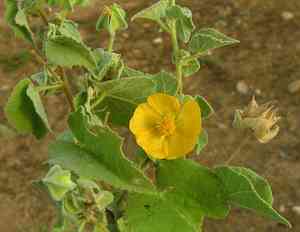
Velvetmallows (Horsfordia) (Horsfordia)
Also known as: Horsfordia, Copperweed
The region of Mexico and the southwestern United States hosts a variety of species known for their unique adaptations. Among these are several hairy subshrubs that produce flowers in shades of light pink, lavender, or red-orange. These plants are well-suited to the arid climate, often featuring hairy leaves or stems to reduce water loss and protect against intense sunlight. Their vibrant flowers not only add splashes of color to the landscape but also play a crucial role in attracting pollinators such as bees, butterflies, and hummingbirds.
In This Article
Attributes of Velvetmallows (Horsfordia)
Lifespan
Perennial
Plant Height
0.5 to 1.5 meters
Spread
0.5 to 1 meter
Leaf Color
Green
Flower Size
1 to 2 cm
Flower Color
Pink, Purple
Images of Velvetmallows (Horsfordia)
Quickly Identify Velvetmallows (Horsfordia)
1
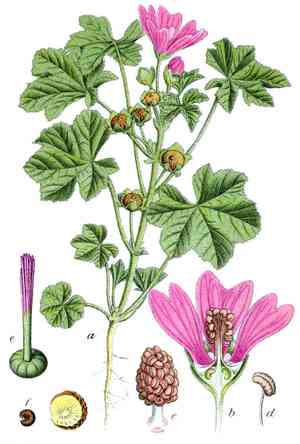
Horsfordia can be identified by its small, lance-shaped leaves, and typically pink or purple flowers that cluster together. The plant\'s stems and leaves are often covered with fine hairs, giving it a characteristic appearance.
Scientific Classification of Velvetmallows (Horsfordia)
Phylum
Magnoliophyta
Class
Magnoliopsida
Order
Malvales
Family
Malvaceae
Genus
Horsfordia
Planting and Growing of Velvetmallows (Horsfordia)
Care Difficulty
Moderate
Watering Schedule
Every 2 days
Sunlight Requirements
Partial sun
Sunshine Duration
4-6 hours
Ideal Temperature
65-75℉
Soil Type
Potting Mix, Peat Mix
Soil pH
6.5-7.5
Fertilizer Type
Balanced
Pruning Season
Spring, Summer
Pruning Area
Branches, Leaves
Pruning Frequency
2 times a year
Repotting Season
Spring
Pot Type
Plastic, Ceramic
 How to Water Velvetmallows (Horsfordia)?
For Horsfordia, it’s vital to moderate the watering based on its natural environment. Typically, 500 ml every session should suffice, ensuring the topsoil gets evenly moist but never soggy. This plant thrives best when watering replicates a natural, infrequent desert storm, providing sufficient moisture without leading to waterlogging.
What are the symptoms of an underwatered Velvetmallows (Horsfordia)?
›
What should I do if my Velvetmallows (Horsfordia) is not getting enough water?
›
What are the symptoms of an overwatered Velvetmallows (Horsfordia)?
›
How to save an overwatered Velvetmallows (Horsfordia)?
›
 What Are the Sunlight Requirements for Velvetmallows (Horsfordia)?
Partial sun exposure with morning sun and afternoon shade. Proper lighting improves photosynthesis, fostering robust growth, optimized blooms, and vibrant leaf color which are vital for healthy plant development.
How much sunlight does it need?
›
What if there's too much sun?
›
How can you ensure consistent light?
›
 What Is the Ideal Temperature Range for Velvetmallows (Horsfordia)?
For optimal growth, Horsfordia thrives in temperatures between 65°F and 75°F. This range provides the optimal conditions for photosynthesis and nutrient absorption, ensuring healthy development and vibrant foliage. Deviations outside this range may compromise plant health and could lead to stunted growth or other stress-related issues.
 What Soil is Best for Velvetmallows (Horsfordia)?
Horsfordia thrives in well-draining soil to prevent root rot. A mix of loam and sandy loam allows excess water to escape, ensuring roots get the necessary oxygen. Rich in organic matter, nutrient-rich soil boosts Horsfordia's growth and flowering. It ensures steady nutrient supply for robust health and vibrancy. This plant prefers slightly acidic to neutral pH, which optimizes nutrient uptake. Maintaining soil pH between 6.5 and 7.5 ensures availability of essential elements.
 How to Fertilize Velvetmallows (Horsfordia)?
For Horsfordia, the optimal fertilizer amount should be moderate. When using liquid fertilizers, you should mix at half the recommended strength to avoid root burn. For solid fertilizers, a thin, even layer around the base is more than enough to support growth. Excessive fertilization could lead to nutrient buildup and harm the plant's roots.
 How to Prune Velvetmallows (Horsfordia)?
Begin by identifying weak, dead, or diseased branches and carefully cut them off at their base. Focus on shaping the plant by trimming back any overgrown shoots to a node or leaf bud, ensuring a well-balanced structure. Regularly thin out crowded branches to maintain good airflow around the plant.
 How to Propagate Velvetmallows (Horsfordia) plant?
1
Collect seeds from mature plants during the autumn when the seed pods are dry. Ensure that they are fully ripe for optimal germination.
2
Cut healthy, non-flowering shoots, preferably in the early morning. Each cutting should be about 6 inches long and include at least two leaf nodes.
3
Use a well-draining potting mix for both seeds and cuttings. A blend of peat and perlite is ideal for providing the necessary aeration and moisture retention.
 How to Repot Velvetmallows (Horsfordia) plant?
1
Repotting is necessary when you notice roots circling around the pot’s interior. This indicates that the plant has outgrown its current vessel and needs more space to thrive. Repotting also becomes crucial if the soil appears compacted or depleted of nutrients, as this affects root health and plant growth. Ideally, repotting should be timed just before the plant’s active growth phase for optimal results.
2
Select a pot that is slightly larger than the current one, with a size increase of about 1-2 inches in diameter. Ensure it has adequate drainage holes to prevent waterlogging, which can lead to root rot. A terracotta pot can be beneficial as it offers excellent aeration and helps in regulating moisture levels, ensuring that the soil dries out between waterings, ideal for Horsfordia.
3
Opt for a well-draining cactus mix containing a blend of sand, perlite, and organic material. This composition mimics the plant's natural environment, providing the right balance of moisture retention and aeration. Such soil prevents water from pooling at the roots, thereby reducing the risk of fungal diseases while offering essential nutrients for robust growth.
Learn More About Velvetmallows (Horsfordia) Diseases
Anthracnose
Bacterial Leaf Spot
Bacterial Wilt
Crown Gall
Cyst Nematode
Damping-off
Downy Mildew
Drought Stress
Fusarium Wilt
Gray Mold
Leaf Curl
Leaf Spot
Mosaic
Nutrient Deficiency
Nutrient Toxicity
Powdery Mildew
Root Rot
Root-knot Nematode
Rusts
Sooty Mold
Spider Mites
Temperature Stress
Thrips Damage
White Mold
Chemical Injury

