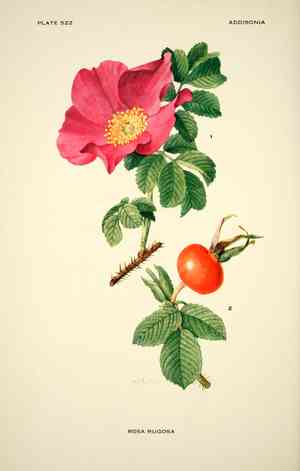
Threetooth horkelia (Horkelia tridentata)
Also known as: Trident Horkelia
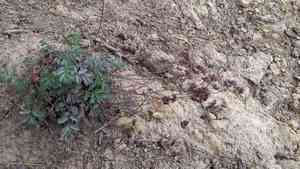
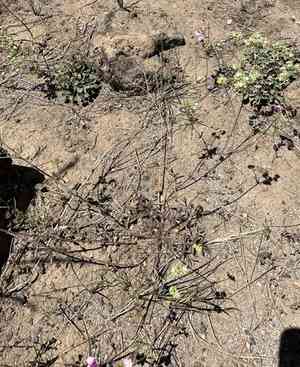
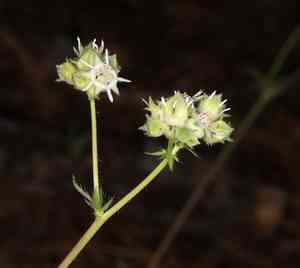
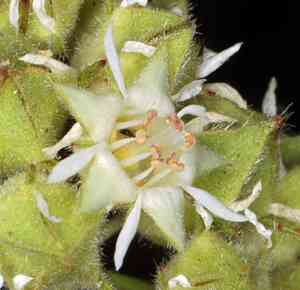
Threetooth horkelia (Horkelia tridentata) is distinguished by its rosettes of three-pronged leaves, forming dense, low-growing clumps in dry, open areas. Its small white flowers, organized in flat-topped clusters, add to its delicate appearance. Adapted to shallow soils, threetooth horkelia has a robust root system that ensures its survival in arid conditions.
In This Article
Attributes of Threetooth horkelia
Lifespan
Perennial
Plant Height
Up to 30 cm
Spread
About 30 cm
Leaf Color
Green
Flower Size
About 1 cm
Flower Color
White to cream
Images of Threetooth horkelia
Quickly Identify Threetooth horkelia
1
Look for its characteristic three-lobed, toothed leaves and small white to cream-colored flowers. Often found in dry, rocky habitats.
Scientific Classification of Threetooth horkelia
Phylum
Vascular plants
Class
Dicotyledons
Order
Rosales
Family
Rose
Genus
Horkelias
Species
Threetooth horkelia
Planting and Growing of Threetooth horkelia
Care Difficulty
Easy
Watering Schedule
Every 2 days
Sunlight Requirements
Full sun
Sunshine Duration
6-10 hours
Ideal Temperature
60-75℉
Soil Type
Potting Mix, Peat Mix
Soil pH
6-7.5
Fertilizer Type
Balanced
Pruning Season
Spring, Summer
Pruning Area
Branches, Leaves
Pruning Frequency
2 times a year
Repotting Season
Spring
Pot Type
Plastic, Ceramic
 How to Water Threetooth horkelia?
For Horkelia tridentata, it's important to ensure that the soil remains slightly moist, but not waterlogged. This means watering approximately 250 milliliters per session should suffice, allowing moisture to reach the root zone without pooling at the bottom.
What are the symptoms of an underwatered Threetooth horkelia?
›
What should I do if my Threetooth horkelia is not getting enough water?
›
What are the symptoms of an overwatered Threetooth horkelia?
›
How to save an overwatered Threetooth horkelia?
›
 What Are the Sunlight Requirements for Threetooth horkelia?
Best suited for full sun to partial sun, Horkelia tridentata enjoys 6-8 hours of light, promoting vigorous growth and abundant blooming. Ideal light ensures robust foliage and a stronger plant structure.
Optimal Amount of Sunlight
›
Solution for Best Lighting
›
Benefits of Ideal Lighting
›
 What Is the Ideal Temperature Range for Threetooth horkelia?
For optimal growth, Horkelia tridentata thrives in a temperature range between 60°F to 75°F. This range provides the perfect balance for the plant's metabolic processes, supporting both daytime photosynthesis and nighttime respiration effectively.
 What Soil is Best for Threetooth horkelia?
Horkelia tridentata thrives in well-drained soil, ensuring that water does not accumulate around its roots, which helps prevent root rot. This drainage capability is crucial for maintaining the plant's health, particularly in areas with occasional heavy rains, as it prevents water stress. Horkelia tridentata prefers soil with moderate nutrient levels. Excessive nutrients can lead to lush foliage with weak flowering, while poor nutrient soil could stunt growth. Achieving the right balance supports healthy, robust growth and optimal flowering. This plant prefers slightly acidic to neutral soil pH. A pH range of 6.0 to 7.5 provides the ideal balance that facilitates effective nutrient uptake and a healthy root system, enhancing the plant’s growth and blooming potential.
 How to Fertilize Threetooth horkelia?
Horkelia tridentata thrives with moderate fertilization. When using liquid fertilizer, dilute it to half the recommended strength to prevent nutrient burn. Apply approximately 100 ml per plant during active growth periods.
 How to Prune Threetooth horkelia?
To prune Horkelia tridentata, start by using clean, sharp pruning shears to remove any dead or damaged stems. Focus on thinning out the plant by cutting back excessive growth to encourage air circulation. Aim for a rounded shape that allows each part of the plant to access sunlight evenly. It's important to make clean cuts just above a leaf node to promote new growth.
More About Pruning Techniques→
 How to Propagate Threetooth horkelia plant?
1
Begin by filling a seed tray with a well-draining soil mix. Sow the seeds on the soil surface and lightly cover them with a thin layer of soil. Water gently to avoid disturbing the seeds.
2
Select healthy stems for cuttings and use a sharp, sterilized knife to cut just below a node. Remove lower leaves and plant the cutting in moist soil or perlite, ensuring proper hydration.
3
Identify mature plants with multiple crowns for division. Carefully lift the plant and separate it into smaller sections, ensuring each has roots. Replant divisions immediately in prepared soil.
 How to Repot Threetooth horkelia plant?
1
Horkelia tridentata should be repotted when you notice roots protruding from the drainage holes or when the soil no longer retains moisture. This usually occurs every 2 to 3 years. The compacted roots signal the need for more room to grow.
2
Select a pot that is about 1 to 2 inches larger in diameter than the current one to give your Horkelia tridentata room to expand without overwhelming it with too much soil moisture. Opt for pots with good drainage holes to prevent root rot.
3
Use a well-draining sandy mix for Horkelia tridentata. This type of soil enhances root aeration while preventing water from lingering, which can lead to rot. The coarse texture ensures quick drainage, mimicking its natural habitat.
Learn More About Threetooth horkelia Diseases
Anthracnose
Bacterial Leaf Spot
Bacterial Wilt
Black Spot
Chemical Injury
Crown Gall
Cyst Nematode
Damping-off
Downy Mildew
Drought Stress
Fusarium Wilt
Gray Mold
Leaf Curl
Leaf Spot
Mosaic
Nutrient Deficiency
Nutrient Toxicity
Powdery Mildew
Root Rot
Root-knot Nematode
Rusts
Sooty Mold
Spider Mites
Temperature Stress
Thrips Damage
White Mold



