
Willow-leaved water croton (Homonoia riparia)
Also known as: River Homonoia, Rivermat
A plant often utilized for erosion control in tropical wetlands is the vetiver grass (Chrysopogon zizanioides). This perennial grass features an exceptionally strong and deep root system, making it highly effective in stabilizing soil and preventing erosion in such environments.
In This Article
Attributes of Willow-leaved water croton
Lifespan
Perennial
Plant Type
Shrub
Plant Height
1 m to 3 m
Spread
2 m
Leaf Color
Green
Flower Size
5 cm to 10 cm
Flower Color
Yellow Red Brown
Images of Willow-leaved water croton
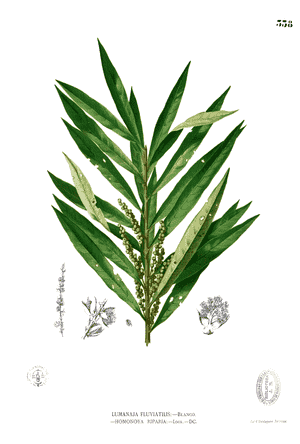
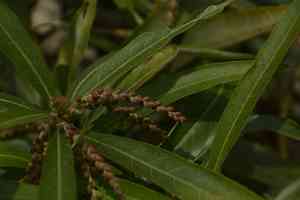
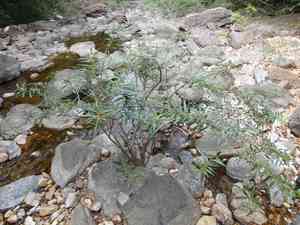
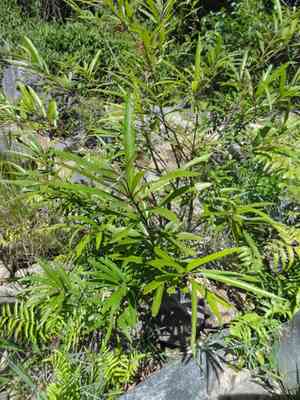
Quickly Identify Willow-leaved water croton
1
Homonoia riparia can be identified by its lance-shaped leaves with serrated edges, tiny yellowish flowers, and its preference for moist environments. The plant often forms dense mats along riverbanks.
Scientific Classification of Willow-leaved water croton
Phylum
Vascular plants
Class
Dicotyledons
Order
Nances, spurges, willows and allies
Family
Spurge
Genus
Homonoia
Species
Willow-leaved water croton
Planting and Growing of Willow-leaved water croton
Care Difficulty
Easy
Watering Schedule
Every 3 days
Sunlight Requirements
Partial sun
Sunshine Duration
4-8 hours
Ideal Temperature
64-77℉
Soil Type
Potting Mix, Peat Mix
Soil pH
6.5-7.5
Fertilizer Type
Balanced
Pruning Season
Spring, Summer
Pruning Area
Branches, Leaves
Pruning Frequency
Once a year
Repotting Season
Spring
Pot Type
Plastic, Ceramic
 How to Water Willow-leaved water croton?
Homonoia riparia prefers a consistent level of moisture. Water until the soil feels evenly damp but not waterlogged. Ensure water drains well to avoid roots sitting in water.
What are the symptoms of an underwatered Willow-leaved water croton?
›
What should I do if my Willow-leaved water croton is not getting enough water?
›
What are the symptoms of an overwatered Willow-leaved water croton?
›
How to save an overwatered Willow-leaved water croton?
›
 What Are the Sunlight Requirements for Willow-leaved water croton?
Homonoia riparia prefers partial sun conditions. Ideal lighting enhances its ornamental appeal, ensuring lush foliage and optimal growth rates while maintaining strong tissue integrity.
What is the ideal sunlight for Homonoia riparia?
›
How can you ensure Homonoia riparia gets ideal lighting?
›
What are the benefits of providing Homonoia riparia with ideal light?
›
 What Is the Ideal Temperature Range for Willow-leaved water croton?
The ideal temperature range for Homonoia riparia, commonly known as the 'riverside grape', is between 64°F and 77°F. This range provides the optimal conditions for growth, ensuring the plant can carry out photosynthesis effectively and maintain healthy foliage. Maintaining such temperatures will promote vigorous growth and potential flowering.
 What Soil is Best for Willow-leaved water croton?
Homonoia riparia thrives in soils that can retain moisture without becoming waterlogged. This is crucial for the plant as it naturally grows along riverbanks and needs constant access to water. Ensuring the soil retains moisture supports the plant's lush foliage and overall vitality. While moisture retention is key, ensuring that the soil has excellent drainage properties is equally important for Homonoia riparia. This plant does not tolerate stagnant water, which can lead to root rot. Well-drained soil helps prevent water accumulation, keeping the root system healthy. Homonoia riparia benefits from a nutrient-rich soil composition that supports its growth. The presence of essential nutrients like nitrogen, phosphorus, and potassium in the soil ensures robust growth, vibrant leaves, and resistance to diseases.
 How to Fertilize Willow-leaved water croton?
For Homonoia riparia, it's essential to apply a balanced amount of fertilizer. Ideally, use 1/4 the recommended strength for liquid fertilizers, ensuring the soil remains rich yet not overwhelming for the plant's root system.
 How to Prune Willow-leaved water croton?
Begin your pruning process by carefully identifying and removing any dead or diseased branches. This helps improve air circulation and reduces the risk of infection. Next, focus on shaping your Homonoia riparia. Trim back any overgrown branches to maintain the plant's desired shape and size. Ensure that the natural form of the plant is preserved. To promote bushier growth, strategically cut back the stems by about a third. Prune just above a leaf node to encourage new growth from that point, leading to a fuller appearance.
More About Pruning Techniques→
 How to Propagate Willow-leaved water croton plant?
1
Seeds should be collected from a mature Homonoia riparia plant, ensuring they are fully ripened. It's essential to clean and dry the seeds properly to prevent mold or fungal infections during storage.
2
Select healthy, disease-free stems and cut them at a length of 4-6 inches. Remove the lower leaves to minimize transpiration and dip the cut end into rooting hormone to encourage root development.
3
Carefully dig up a mature plant during early spring to divide it into smaller sections. Each section should have a robust root system and a few stems to ensure successful re-establishment when replanted.
 How to Repot Willow-leaved water croton plant?
1
You should consider repotting Homonoia riparia when you observe roots protruding from the drainage holes. Additionally, if you notice the growth has slowed despite optimal care, it's a signal to check the roots. If they're tightly packed and circling the pot, it's time to upgrade to a bigger home.
2
Select a pot that is 1-2 inches larger in diameter than the current one. The new pot should have sufficient drainage holes to prevent waterlogging. A slightly larger pot encourages healthy growth, while good drainage ensures the roots don't sit in water, which could lead to root rot.
3
Opt for a rich, well-draining soil mix that contains a combination of organic material, such as peat or compost, and elements for aeration like perlite or sand. This blend supports nutrient uptake while ensuring excess water drains away, preventing potential root diseases.
Learn More About Willow-leaved water croton Diseases
Anthracnose
Bacterial Leaf Spot
Bacterial Soft Rot
Bacterial Wilt
Black Spot
Chemical Injury
Crown Gall
Damping-off
Downy Mildew
Drought Stress
Fusarium Wilt
Gray Mold
Leaf Curl
Leaf Spot
Mosaic
Nutrient Deficiency
Nutrient Toxicity
Powdery Mildew
Root Rot
Root-knot Nematode
Rusts
Sooty Mold
Spider Mites
Temperature Stress
Thrips Damage
White Mold



