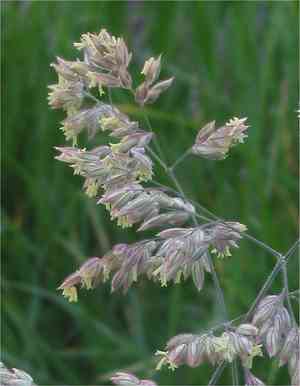
Yorkshire Fog (Holcus lanatus)
Also known as: Tufted grass, Sweet velvet grass
Yorkshire Fog (*Holcus lanatus*) is a perennial grass known for forming dense clusters, which can sometimes suppress the growth of other native grasses. This grass produces a large number of seeds that are spread by both wind and lawnmowers, facilitating its spread to new areas. It can withstand cold weather but is sensitive to frost.
In This Article
Attributes of Yorkshire Fog
Lifespan
Perennial
Plant Type
Grass
Plant Height
30 cm to 80 cm
Spread
8 cm to 15 cm
Leaf Color
Green Blue
Flower Size
2 cm to 3 cm
Flower Color
White Yellow Pink Purple
Images of Yorkshire Fog
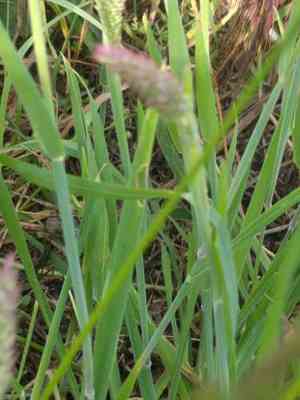
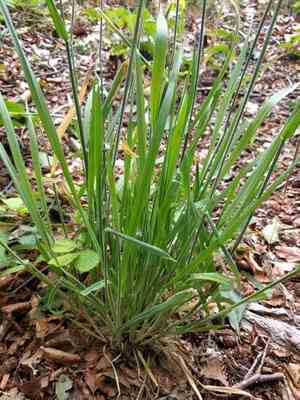
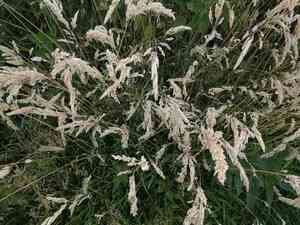
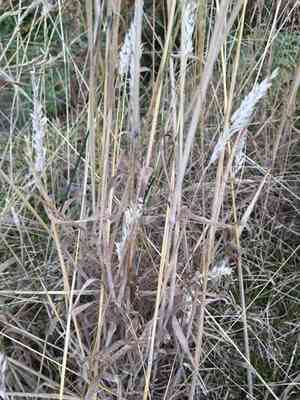
Quickly Identify Yorkshire Fog
1
Identification of Holcus lanatus can be done by observing its pale green to slightly purple-tinged leaves, soft and velvety texture, and the presence of a ring of hairs where the leaf blade meets the stem. The plant often forms dense, tufted clumps.
Scientific Classification of Yorkshire Fog
Phylum
Vascular plants
Class
Monocotyledons
Order
Poales
Family
Grass
Genus
Velvetgrass
Species
Yorkshire Fog
Planting and Growing of Yorkshire Fog
Care Difficulty
Easy
Watering Schedule
Every 8 days
Sunlight Requirements
Partial sun
Sunshine Duration
4-6 hours
Ideal Temperature
60-75℉
Soil Type
Potting Mix, Peat Mix
Soil pH
6.5-7.5
Fertilizer Type
Balanced
Pruning Season
Spring, Summer
Pruning Area
Branches, Leaves
Pruning Frequency
2 times a year
Repotting Season
Spring
Pot Type
Plastic, Ceramic
 How to Water Yorkshire Fog?
For Holcus lanatus, aim to saturate the soil thoroughly without leaving it waterlogged. Pour approximately 200 ml, ensuring the water penetrates deep enough to reach the entire root system. Always check the top 2 inches of soil are moist after watering.
What are the symptoms of an underwatered Yorkshire Fog?
›
What should I do if my Yorkshire Fog is not getting enough water?
›
What are the symptoms of an overwatered Yorkshire Fog?
›
How to save an overwatered Yorkshire Fog?
›
 What Are the Sunlight Requirements for Yorkshire Fog?
Holcus lanatus thrives in partial sun, benefiting from 4 to 6 hours of light. Ensuring such conditions maximizes its photosynthesis process, promoting strong, lush growth and vibrant green foliage.
What type of light does Holcus lanatus prefer?
›
How do you ensure Holcus lanatus gets its ideal lighting?
›
What are the benefits of proper light for Holcus lanatus?
›
 What Is the Ideal Temperature Range for Yorkshire Fog?
The ideal temperature range for Holcus lanatus, commonly known as Yorkshire Fog, lies between 60°F and 75°F. This temperature range ensures optimal growth and development, as it closely mimics the natural conditions under which the plant thrives. Providing these temperatures helps maintain metabolic balance and encourages vigorous growth.
 What Soil is Best for Yorkshire Fog?
Holcus lanatus thrives in well-drained soil as it prevents waterlogging, which can lead to root rot. This condition is crucial for ensuring the plants receive adequate oxygen at the roots, promoting healthier growth. For optimal growth, moderately fertile soil is essential. It provides the necessary nutrients without being overly rich, which could cause excessive foliage growth at the expense of flower and seed production. Maintaining consistent moisture levels in the soil helps Holcus lanatus to flourish, as it supports its ability to uptake nutrients efficiently. However, it's important to balance this without saturating the soil.
 How to Fertilize Yorkshire Fog?
Holcus lanatus requires balanced fertilization to support its moderately fast growth. Use a liquid fertilizer concentration of 1.5 ml per liter of water, ensuring nutrients are evenly distributed. For solid fertilizers, apply 25 grams per square meter. This careful balance supports the grass' vibrant health and lushness.
 How to Prune Yorkshire Fog?
To prune Holcus lanatus effectively, ensure you use sharp garden shears or scissors. This ensures a clean cut that heals quickly. Blunt tools can damage the plant, leaving it vulnerable to infections. Start by removing any dead or diseased grass blades. This helps to focus the plant's energy on new growth and keeps the area tidy. Make sure to dispose of any removed material to avoid the spread of disease. When pruning, aim to maintain a uniform shape and height. This involves trimming back the taller stems to match the main bulk of the grass. This not only improves the visual appearance but also ensures even light distribution.
 How to Propagate Yorkshire Fog plant?
1
To propagate Holcus lanatus from seeds, fill seed trays or pots with a quality seed-starting mix, ensuring proper drainage. Sow the seeds thinly on top, lightly cover them with soil, and water gently.
2
For division propagation, carefully dig up the mature plant in spring or autumn. Shake off excess soil and use a sharp tool to split the plant into smaller sections, ensuring each has roots. Replant immediately.
3
Once seedlings are big enough to handle, transplant them into individual pots with nutrient-rich soil. Ensure each pot offers enough space for root development and water thoroughly after planting.
 How to Repot Yorkshire Fog plant?
1
Holcus lanatus signals the need for repotting primarily through visible roots emerging from the drainage holes, a clear indicator that the plant is outgrowing its current home. Additionally, slower growth rates during the growing seasons can suggest that the roots are restricted, necessitating a larger container for expansion.
2
Selecting the right pot is crucial for Holcus lanatus. It should be about one size larger than the current one to allow room for root growth without causing excessive stress. Opt for pots with adequate drainage holes to prevent waterlogging, which is beneficial in maintaining the roots healthy and preventing rot.
3
A well-draining potting mix is essential for Holcus lanatus as it ensures excess water can escape, preventing root rot. The soil should retain some moisture while allowing airflow to the roots, promoting healthy root development and overall plant vitality.



