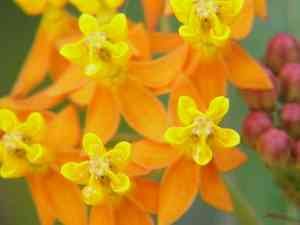
Holarrhena (Holarrhena) (Holarrhena)
Also known as: Conessi, Kurchi, Kutaja
The World Checklist of Selected Plant Families identifies 5 species within the genus Holarrhena. This genus is found in tropical and southern Africa, as well as in regions of South, East, and Southeast Asia.
In This Article
Attributes of Holarrhena (Holarrhena)
Lifespan
Perennial
Plant Height
3-10 meters
Spread
2-5 meters
Leaf Color
Green
Flower Size
1-2 cm
Flower Color
White
Images of Holarrhena (Holarrhena)
Quickly Identify Holarrhena (Holarrhena)
1
To identify Holarrhena, look for a small to medium-sized tree or shrub with lanceolate leaves and clusters of white tubular flowers. The fruit is a pair of slender follicles.
Scientific Classification of Holarrhena (Holarrhena)
Phylum
Magnoliophyta
Class
Magnoliopsida
Order
Gentianales
Family
Apocynaceae
Genus
Holarrhena
Planting and Growing of Holarrhena (Holarrhena)
Care Difficulty
Moderate
Watering Schedule
Every 2 days
Sunlight Requirements
Partial sun
Sunshine Duration
4-8 hours
Ideal Temperature
68-86℉
Soil Type
Potting Mix, Peat Mix
Soil pH
6.5-7.5
Fertilizer Type
Balanced
Pruning Season
Spring, Summer
Pruning Area
Branches, Leaves
Pruning Frequency
2 times a year
Repotting Season
Spring
Pot Type
Terracotta, Plastic
 How to Water Holarrhena (Holarrhena)?
For Holarrhena, provide around 500ml of water per session. Ensure it penetrates the root zone without causing waterlogging. This plant prefers a well-drained soil, so water should not pool around the roots after watering. Aim for soil moisture that feels damp to touch but does not squish water out.
What are the symptoms of an underwatered Holarrhena (Holarrhena)?
›
What should I do if my Holarrhena (Holarrhena) is not getting enough water?
›
What are the symptoms of an overwatered Holarrhena (Holarrhena)?
›
How to save an overwatered Holarrhena (Holarrhena)?
›
 What Are the Sunlight Requirements for Holarrhena (Holarrhena)?
Holarrhena thrives best with partial sun, benefiting from the moderated balance of light which supports photosynthetic efficiency, resulting in vibrant and healthy growth.
What is the ideal light condition for Holarrhena?
›
How to achieve the ideal lighting condition for Holarrhena?
›
What are the benefits of ideal lighting for Holarrhena?
›
 What Is the Ideal Temperature Range for Holarrhena (Holarrhena)?
Holarrhena thrives optimally within a warm climate where temperatures range between 68°F to 86°F. These temperatures are conducive to its growth as they mimic the plant's natural habitat, allowing for optimal photosynthesis and nutrient absorption processes. Ensuring the environmental temperature remains within this range will yield robust growth and vibrant foliage.
 What Soil is Best for Holarrhena (Holarrhena)?
Holarrhena thrives in nutrient-rich soil that supports its robust growth. This type of soil ensures the plant receives adequate nutrients, promoting healthy foliage and vibrant blooms. Well-drained soil is crucial for Holarrhena as it prevents waterlogging, which can lead to root rot. Ensuring good drainage helps maintain optimal moisture levels and prevents stress on the plant. While drainage is necessary, Holarrhena also benefits from soil that retains some moisture. This balance helps sustain its growth during dry spells, maintaining hydration without oversaturation.
 How to Fertilize Holarrhena (Holarrhena)?
For Holarrhena, the fertilizer should be applied sparingly. During the growing season, a balanced liquid fertilizer can be diluted to half the recommended strength. For solid fertilizers, ensure they are well-dispersed around the root zone and lightly raked into the soil.
 How to Prune Holarrhena (Holarrhena)?
Avoid removing more than one-third of the plant at a time. Over-pruning can stress the Holarrhena, leading to reduced flowering and vulnerability to pests and diseases. Always consider the growing season. Heavy pruning is best done in early Spring when the plant is poised for vigorous growth. Light maintenance can be done in Summer to control excess growth. Ensure your pruning tools are disinfected before use to prevent the introduction of pathogens. A quick soak in a solution of one part bleach to nine parts water is recommended.
 How to Propagate Holarrhena (Holarrhena) plant?
1
Harvest seeds from mature Holarrhena fruits when they are dry and brown. Ensure the seeds are completely dry to prevent rot before you store or plant them.
2
Select healthy, non-flowering stem cuttings about 10-15 cm long. Remove the lower leaves and make an angled cut just below a node to increase rooting chances.
3
Dip the cut end in rooting hormone and plant it in a potting mix with good drainage. Keep the cuttings in a warm, humid area to encourage root development.
 How to Repot Holarrhena (Holarrhena) plant?
1
Holarrhena plants signal the need for repotting when their roots start to outgrow the current pot size, visibly circling the base of the pot. Other signs include slowed growth, poor water drainage, or roots emerging from drainage holes. Ideally, repotting should be done in spring or early summer to coincide with the plant's active growth period, ensuring a smoother transition and establishment in the new pot.
2
The right pot for Holarrhena should be only marginally larger than the previous one, typically 1-2 inches wider in diameter, to prevent excessive soil moisture. It needs drainage holes to prevent waterlogging, which can lead to root rot. Using a terracotta pot can help with breathability and moisture regulation, but any pot with good drainage will suffice. The right pot provides stability and ensures the plant has adequate space for root expansion without sacrificing moisture control.
3
Select a well-draining loamy soil for repotting Holarrhena. This type of soil ensures that water drains quickly, preventing waterlogged conditions which can damage roots. Adding a portion of sand or perlite improves soil aeration and drainage. A slightly acidic to neutral pH will accommodate Holarrhena's needs well, promoting healthy growth by providing essential nutrients while avoiding root suffocation.
Learn More About Holarrhena (Holarrhena) Diseases
Anthracnose
Bacterial Leaf Spot
Bacterial Wilt
Crown Gall
Cyst Nematode
Damping-off
Downy Mildew
Drought Stress
Fusarium Wilt
Gray Mold
Leaf Spot
Mosaic
Nutrient Deficiency
Nutrient Toxicity
Powdery Mildew
Root Rot
Root-knot Nematode
Rusts
Sooty Mold
Spider Mites
Temperature Stress
Thrips Damage
White Mold

