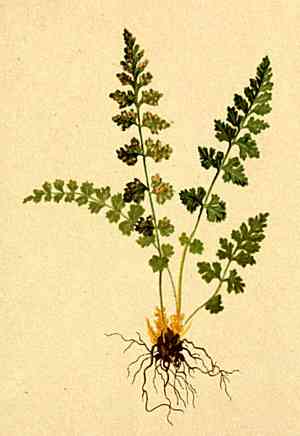
Histiopteris (Histiopteris) (Histiopteris)
Also known as: bracken fern, water fern
Histiopteris is a genus of ferns in the family Dennstaedtiaceae. These ferns are found in tropical and subtropical regions around the world. They typically grow in wet, shaded environments such as rainforests and riverbanks.
In This Article
Attributes of Histiopteris (Histiopteris)
Lifespan
Perennial
Plant Height
1-2 meters
Spread
0.5-1 meter
Leaf Color
Light green
Flower Size
Not applicable
Flower Color
Not applicable
Images of Histiopteris (Histiopteris)
Quickly Identify Histiopteris (Histiopteris)
1
Histiopteris ferns can be identified by their dissected, triangular fronds which are light-green in color. The fronds are typically finely divided and can reach up to 1-2 meters in length.
Scientific Classification of Histiopteris (Histiopteris)
Phylum
Pteridophyta
Class
Polypodiopsida
Order
Polypodiales
Family
Dennstaedtiaceae
Genus
Histiopteris
Planting and Growing of Histiopteris (Histiopteris)
Care Difficulty
Moderate
Watering Schedule
Every 2 days
Sunlight Requirements
Partial sun
Sunshine Duration
6-10 hours
Ideal Temperature
60-75℉
Soil Type
Potting Mix, Peat Mix
Soil pH
5.5-7
Fertilizer Type
Balanced
Pruning Season
Spring, Summer
Pruning Area
Branches, Leaves
Pruning Frequency
2 times a year
Repotting Season
Spring
Pot Type
Plastic, Ceramic
 How to Water Histiopteris (Histiopteris)?
For Histiopteris, water generously to ensure the soil is thoroughly moist but not saturated. Aim for about 500 milliliters per watering session; ensure the soil top 2-3 inches feels slightly damp to touch before the next watering.
What are the symptoms of an underwatered Histiopteris (Histiopteris)?
›
What should I do if my Histiopteris (Histiopteris) is not getting enough water?
›
What are the symptoms of an overwatered Histiopteris (Histiopteris)?
›
How to save an overwatered Histiopteris (Histiopteris)?
›
 What Are the Sunlight Requirements for Histiopteris (Histiopteris)?
Partial sun is recommended for Histiopteris. This light range supports balanced growth, vibrant foliage, and emulates the diffuse light of its natural habitat benefiting overall plant health.
What are the ideal lighting conditions for Histiopteris?
›
How can I provide ideal lighting for Histiopteris?
›
What are the benefits of ideal lighting for Histiopteris?
›
 What Is the Ideal Temperature Range for Histiopteris (Histiopteris)?
The ideal temperature range for Histiopteris is between 60°F and 75°F. This range provides optimal conditions for photosynthesis, growth, and enzymatic processes critical to the plant's health. Maintaining this temperature range ensures robust foliage and reduces the risk of temperature-related stress, which could lead to leaf browning or wilting.
 What Soil is Best for Histiopteris (Histiopteris)?
It thrives in soil that can retain moisture without waterlogging. This ensures that the plant remains hydrated during warmer periods, enhancing its lush foliage. Rich soil with a good amount of organic matter is vital for its growth. Such soil provides essential nutrients, promoting healthy and vigorous growth. Proper drainage is crucial to avoid root rot. Ensuring that excess water flows away quickly helps to maintain root health and prevent fungal infections.
 How to Fertilize Histiopteris (Histiopteris)?
For Histiopteris, ensure that you apply a balanced liquid fertilizer, diluted to half the recommended strength, twice a month during the growing seasons. Slow-release granular fertilizers can be applied sparingly, once every four months, using a quarter cup evenly around the root zone.
 How to Prune Histiopteris (Histiopteris)?
Always wear gloves when pruning Histiopteris to protect against potential skin irritation from the plant's sap or rough textures. Use clean tools to prevent the spread of diseases between cuts or plants. Sanitize pruning tools before and after use with alcohol or bleach solution. This practice prevents pathogenic organisms from infecting Histiopteris and other plants. While Histiopteris can be pruned throughout the growing seasons of spring, summer, and autumn, avoid pruning during very hot or cold spells to minimize stress on the plant. Check weather forecasts to ensure that pruning coincides with mild conditions. This will help the plant recover more swiftly from the pruning process, ensuring optimal growth. Consider the plant's natural growth cycle and avoid pruning during peak dormancy.
 How to Propagate Histiopteris (Histiopteris) plant?
1
Ensure the mother plant is healthy and well-watered before division. This preparation helps reduce stress on the plant and increases the success rate of propagation.
2
Use a sharp knife to divide the plant's rhizome into sections, making sure each section has at least a few fronds and a good amount of roots attached.
3
Replant each division in a well-prepared bed with rich, moist soil. Water thoroughly after planting to settle the soil and support initial root establishment.
 How to Repot Histiopteris (Histiopteris) plant?
1
Histiopteris should be repotted when the roots begin to encircle the bottom of the pot, indicating a lack of space to grow. You may also notice decreased water absorption and poor growth. If such signs appear, it's time to move the plant to a larger pot.
2
Select a pot that is just a few inches larger in diameter than the current one. This size allows Histiopteris roots to expand comfortably without overextending the root system. Opt for containers with drainage holes to prevent waterlogging, ensuring the plant's roots remain healthy and aerated.
3
Histiopteris thrives in well-draining, acidic soil. A mixture of peat, perlite, and pine bark is ideal. This combination promotes excellent drainage, prevents root rot, and mimics the fern’s natural forest floor habitat, contributing to vigorous growth and lively foliage.

