
Helicopter flower (Hiptage benghalensis)
Also known as: Windmill creeper
The helicopter flower, native to India and Southeast Asia, is often classified as a weed in regions where it has spread beyond its natural habitat. While it is sometimes grown as an ornamental plant, it poses significant risks to local ecosystems if it escapes cultivation. Its rapid growth and climbing nature enable it to smother native plants. Additionally, the plant's fruits are equipped with wing-like structures that facilitate wind dispersal, allowing seeds to travel considerable distances and establish new populations. These characteristics make the helicopter flower a formidable invasive species.
In This Article
Attributes of Helicopter flower
Lifespan
Perennial
Plant Type
Vine
Plant Height
10 m to 15 m
Spread
30 cm to 60 cm
Leaf Color
Green
Flower Size
2 cm to 3 cm
Flower Color
White Yellow Pink
Images of Helicopter flower
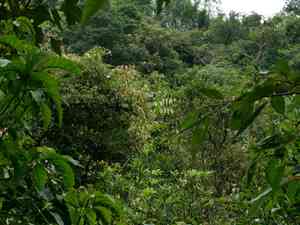
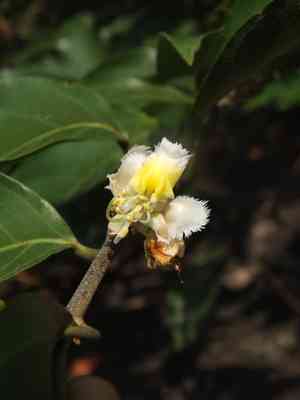
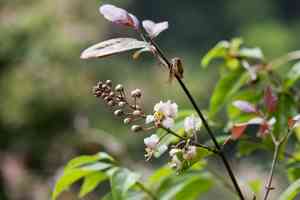
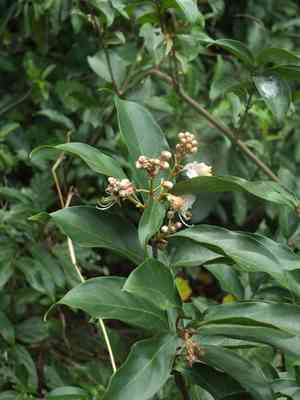
Quickly Identify Helicopter flower
1
Hiptage benghalensis can be identified by its opposite, elliptic leaves, paired tendrils, and distinctively fragrant flowers. The flowers have five petals, and the fruits are samaras with three wings.
Scientific Classification of Helicopter flower
Phylum
Vascular plants
Class
Dicotyledons
Order
Malpighiales
Family
Barbados cherry
Genus
Hiptage
Species
Helicopter flower
Planting and Growing of Helicopter flower
Care Difficulty
Easy
Watering Schedule
Every 4 days
Sunlight Requirements
Full sun
Sunshine Duration
6-8 hours
Ideal Temperature
65-85℉
Soil Type
Potting Mix, Peat Mix
Soil pH
6.5-7.5
Fertilizer Type
Balanced
Pruning Season
Spring, Summer
Pruning Area
Branches, Leaves
Pruning Frequency
2 times a year
Repotting Season
Spring
Pot Type
Plastic, Ceramic
 How to Water Helicopter flower?
For Hiptage benghalensis, it is essential to ensure that the soil remains consistently moist but not waterlogged. Water approximately 500 ml each time, ensuring that the water seeps through the soil evenly. The goal is to mimic a tropical environment where the plant naturally thrives.
What are the symptoms of an underwatered Helicopter flower?
›
What should I do if my Helicopter flower is not getting enough water?
›
What are the symptoms of an overwatered Helicopter flower?
›
How to save an overwatered Helicopter flower?
›
 What Are the Sunlight Requirements for Helicopter flower?
The ideal light range for Hiptage benghalensis is partial to full sun, where it can receive approximately 6 to 8 hours of sunlight. Proper light exposure ensures vibrant blooms, healthy growth, and resilience to environmental stressors.
More About Sunlight Requirements Techniques→
What is the best location for Hiptage benghalensis?
›
How do I ensure consistent light exposure for my plant?
›
What are the benefits of providing ideal lighting conditions?
›
 What Is the Ideal Temperature Range for Helicopter flower?
The ideal temperature range for Hiptage benghalensis cultivation is between 65°F and 85°F. Within this range, the plant can perform optimal physiological activities such as photosynthesis and respiration, leading to healthy growth. By keeping the plant within these temperatures, you ensure that it thrives and produces abundant foliage and flowers.
 What Soil is Best for Helicopter flower?
Hiptage benghalensis thrives in well-drained soil, which helps prevent root rot by removing excess water, ensuring healthy and vigorous growth. This plant benefits from nutrient-rich soil, which provides the essential nutrients needed for lush foliage and robust flowering, enhancing its ornamental appeal. Maintaining moderate moisture in the soil is crucial, as it supports steady growth and flowering without causing stress from either drought or waterlogging.
 How to Fertilize Helicopter flower?
For Hiptage benghalensis, use a balanced fertilizer with a 10-10-10 NPK ratio, applying about 1 tablespoon for a medium-sized plant. Ensure the fertilizer is well-distributed around the root zone, away from the stem, to prevent root burn.
 How to Prune Helicopter flower?
Begin by removing any dead or damaged stems or branches, cutting them back to healthy wood or just above a node. This encourages robust health and cleaner growth patterns in the plant. Trim back any excessively long or unruly stems to maintain the desired shape and size of the plant. Cut back to a bud or lateral branch to stimulate bushier growth. Thin out dense areas to improve air circulation which can prevent fungal issues. Selectively remove some of the older interior branches, allowing light and air to penetrate the canopy.
More About Pruning Techniques→
 How to Propagate Helicopter flower plant?
1
Choose healthy, non-flowering branches about 10-15 centimeters long. Make a clean cut below a node and remove the lower leaves, leaving a few at the top.
2
Soak seeds in water overnight to improve germination rates. Sow them in seed trays filled with a well-draining seed starting mix, and place them in a warm location with indirect sunlight.
3
After planting the cuttings or seeds, ensure the medium remains moist but not waterlogged. Monitor for root growth in one to two months for cuttings or germination for seeds.
 How to Repot Helicopter flower plant?
1
Hiptage benghalensis signals its need for repotting when roots begin to emerge from the drainage holes or the plant shows stunted growth despite adequate watering and feeding. Ideally, repot during mild seasons to reduce stress.
2
Select a pot that is one size larger than the current pot with ample drainage holes. The new pot should provide room for the roots to expand, promoting healthy growth and preventing root bound conditions.
3
A loamy, well-drained soil is ideal for Hiptage benghalensis, as it retains enough moisture without becoming waterlogged. This soil type enriches the plant's roots with nutrients and promotes robust health.
Learn More About Helicopter flower Diseases
Anthracnose
Bacterial Leaf Spot
Bacterial Wilt
Crown Gall
Cyst Nematode
Damping-off
Downy Mildew
Drought Stress
Fusarium Wilt
Gray Mold
Leaf Curl
Leaf Spot
Mosaic
Nutrient Deficiency
Nutrient Toxicity
Powdery Mildew
Root Rot
Root-knot Nematode
Rusts
Sooty Mold
Spider Mites
Temperature Stress
Thrips Damage
White Mold



