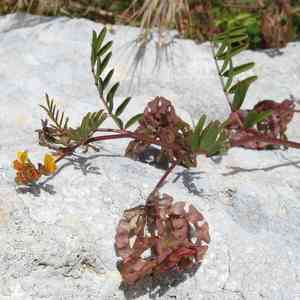
Many-flowered horseshoe vetch (Hippocrepis multisiliquosa)
Also known as: Horseshoe Vetch
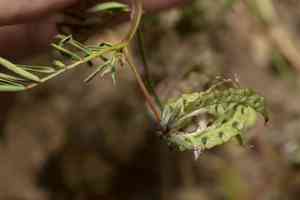
Many-flowered horseshoe vetch is notable for its distinctive seed pods, which twist into shapes resembling small, stacked horseshoes. These pods are a key adaptation for effective seed dispersal. The plant features slender stems that support clusters of bright yellow flowers, creating a striking visual contrast in its Mediterranean surroundings. It flourishes in well-drained, rocky soils and full sunlight, making the most of the warm, sunny conditions typical of its natural habitat.
In This Article
Attributes of Many-flowered horseshoe vetch
Lifespan
Perennial
Plant Type
Herb
Plant Height
20-50 cm
Spread
Varies; generally low-growing plant
Leaf Color
Green
Flower Size
1-2 cm
Flower Color
Yellow
Images of Many-flowered horseshoe vetch
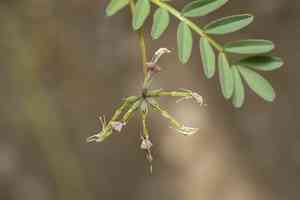
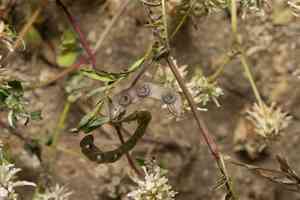
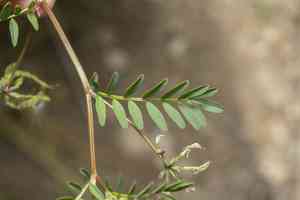
Quickly Identify Many-flowered horseshoe vetch
1
To identify Hippocrepis multisiliquosa, look for its horseshoe-shaped seed pods, typical of its genus. The yellow flowers and compound leaves with multiple leaflets also help in the identification.
Scientific Classification of Many-flowered horseshoe vetch
Phylum
Vascular plants
Class
Dicotyledons
Order
Fabales
Family
Legume
Genus
hippocrepis
Species
Many-flowered horseshoe vetch
Planting and Growing of Many-flowered horseshoe vetch
Care Difficulty
Easy
Watering Schedule
Every 2 days
Sunlight Requirements
Partial sun
Sunshine Duration
4-8 hours
Ideal Temperature
60-75℉
Soil Type
Potting Mix, Peat Mix
Soil pH
6.5-7.5
Fertilizer Type
Balanced
Pruning Season
Spring, Summer
Pruning Area
Branches, Leaves
Pruning Frequency
2 times a year
Repotting Season
Spring
Pot Type
Plastic, Ceramic
 How to Water Many-flowered horseshoe vetch?
For Hippocrepis multisiliquosa, the principle is to ensure the soil remains moderately moist but not waterlogged. Water thoroughly until you see a bit of moisture seeping out of the drainage holes, which usually translates to about 250ml per session for a medium-sized pot.
What are the symptoms of an underwatered Many-flowered horseshoe vetch?
›
What should I do if my Many-flowered horseshoe vetch is not getting enough water?
›
What are the symptoms of an overwatered Many-flowered horseshoe vetch?
›
How to save an overwatered Many-flowered horseshoe vetch?
›
 What Are the Sunlight Requirements for Many-flowered horseshoe vetch?
Hippocrepis multisiliquosa ideally thrives in conditions offering partial sun, with the benefit of morning sunlight and some afternoon protection. This range promotes healthy growth, sustainable flowering, and overall plant vitality.
Where should you place Hippocrepis multisiliquosa?
›
What are the ideal hours of sunlight for this plant?
›
How can you ensure the plant gets enough sunlight indoors?
›
 What Is the Ideal Temperature Range for Many-flowered horseshoe vetch?
The ideal temperature range for Hippocrepis multisiliquosa is between 60°F and 75°F. At this range, the plant absorbs nutrients effectively, supporting its photosynthesis process, and facilitating optimal growth. Ensuring this consistent temperature will lead to vibrant foliage and healthy flowering. This temperature range mimics the plant's natural Mediterranean habitat where it thrives.
 What Soil is Best for Many-flowered horseshoe vetch?
Hippocrepis multisiliquosa thrives in soil that offers excellent drainage, helping to prevent waterlogging and root rot. This is especially crucial for maintaining healthy roots and ensuring the plant's optimal growth. A soil rich in moderate organic matter supports the plant's nutritional needs without overwhelming it with excess nutrients that could hinder growth. This balanced nutrient profile helps maintain a strong and robust plant structure. Preferring slightly alkaline conditions, Hippocrepis multisiliquosa benefits from soils that encourage proper nutrient uptake, fostering lush foliage and ample flowering. This environment mimics its natural habitat, promoting resilience.
 How to Fertilize Many-flowered horseshoe vetch?
For Hippocrepis multisiliquosa, ensure that you provide a balanced nutrient mix without overburdening the plant. Typically, 100 ml of liquid fertilizer is sufficient for a mature plant. When using solid fertilizers, adhere to label instructions, but generally, applying around 30 grams per application is adequate.
 How to Prune Many-flowered horseshoe vetch?
While Hippocrepis multisiliquosa can benefit from regular pruning, avoid cutting back too much at once. Removing more than a third of the plant can stress it out, affecting its ability to recover and flourish. When pruning, ensure you make your cuts at an angle to prevent water from collecting on the cut surface, which can lead to decay. Best done on dry days, this reduces the risk of infections setting in the fresh cuts.
More About Pruning Techniques→
 How to Propagate Many-flowered horseshoe vetch plant?
1
Start by soaking the seeds in lukewarm water for about 24 hours. This helps to soften the seed coat and encourages faster germination once planted.
2
Select healthy, non-flowering shoots and cut them at an angle. Remove the lower leaves, leaving a few at the top to reduce water loss.
3
After preparing the seeds or cuttings, plant them in a well-draining soil mix. Maintain the soil moisture consistently to facilitate root development.
 How to Repot Many-flowered horseshoe vetch plant?
1
Hippocrepis multisiliquosa should be repotted when its roots are visibly outgrowing the pot, often indicated by roots circling the pot's bottom. Another sign is when the plant shows stunted growth or its leaves start yellowing despite regular care. Spring or autumn are ideal times, when the plant is not in its peak growth phase and can recover from any stress.
2
Select a pot slightly larger than the current one to accommodate growth without overwhelming the plant. Good drainage is essential, so opt for pots with drainage holes. A pot that breathes, like unglazed clay, benefits the plant by allowing air circulation and preventing root rot, a common issue in overly wet conditions.
3
Use a well-draining sandy mixture to mimic its natural habitat. This type of soil ensures proper drainage, preventing waterlogged roots that can lead to root rot. It also maintains a good balance of moisture retention and aeration, promoting healthy root development.
Learn More About Many-flowered horseshoe vetch Diseases
Anthracnose
Bacterial Leaf Spot
Bacterial Soft Rot
Bacterial Wilt
Crown Gall
Cyst Nematode
Damping-off
Downy Mildew
Drought Stress
Fusarium Wilt
Gray Mold
Leaf Spot
Mosaic
Nutrient Deficiency
Nutrient Toxicity
Powdery Mildew
Root Rot
Root-knot Nematode
Rusts
Sooty Mold
Spider Mites
Temperature Stress
Thrips Damage
White Mold
Chemical Injury



