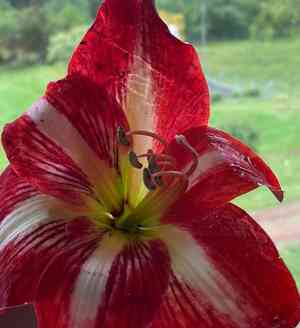
Amaryllis (Hippeastrum) (Hippeastrum)
Also known as: Amaryllis, Knight's-star-lily
Amaryllis are flowering plants that are widely sold during the winter months as ready-to-bloom bulbs. The bulbs are large and fleshy and produce tall, wide leaves that are typically evergreen. The large flowers feature vivid colors of red and purple, making them highly desirable during the winter.
Attributes of Amaryllis (Hippeastrum)
Images of Amaryllis (Hippeastrum)
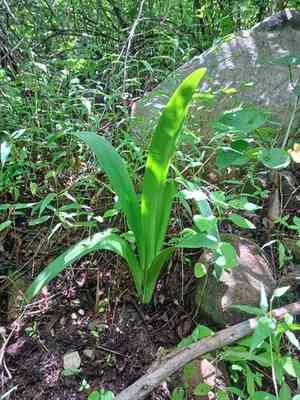
Quickly Identify Amaryllis (Hippeastrum)
Scientific Classification of Amaryllis (Hippeastrum)
Toxicity of Amaryllis (Hippeastrum)
Is Amaryllis (Hippeastrum) toxic to humans?
Amaryllis is a perennial herb characterized by its strikingly beautiful flowers; however, it harbors toxic substances, primarily alkaloids such as lycorine and tazetine, in addition to calcium oxalate crystals.
Is Amaryllis (Hippeastrum) toxic to cat?
Numerous species and varieties within the amaryllis genus pose a significant toxicity risk to cats, and consuming any part of the plant can lead to a veterinary crisis. The presence of harmful compounds, such as lycorine and various alkaloids, can be found throughout the entire plant, with the bulbs being particularly dangerous. Common signs of poisoning encompass vomiting, diarrhea, excessive salivation, irregular heartbeats, decreased blood pressure, seizures, decreased appetite, lethargy, and muscle tremors.
Is Amaryllis (Hippeastrum) toxic to dog?
The globular bulb of amaryllis poses significant toxicity risks to dogs and must be kept beyond their reach. In addition to its bulb, the plant's flowers and foliage are also toxic, although generally to a lesser extent. Ingesting any part of the plant may lead to symptoms such as vomiting, diarrhea, abdominal pain, excessive salivation, muscle tremors, and decreased appetite. Although these reactions are seldom life-threatening, it is typically advisable to consult a veterinarian. Be particularly vigilant if you have dogs that enjoy digging in gardens, as they may encounter a Hippeastrum bulb and mistake it for a toy.

