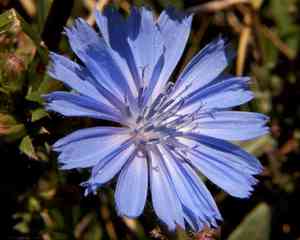
Yellow hawkweed (Hieracium fendleri)
Also known as: Fendler's Hawkweed
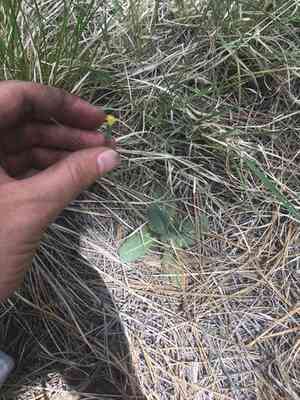
Hieracium fendleri, known as Fendler's hawkweed, is a perennial herb that can grow up to 40 cm in height. It typically features a basal rosette of leaves that are up to 7 cm long and may have small teeth along the edges. The plant produces 2-5 flower heads on a single, erect stalk, arranged in a flat-topped cluster. Each flower head contains 15-30 pale yellow ray florets, but lacks disc florets.
In This Article
Attributes of Yellow hawkweed
Lifespan
Perennial
Plant Type
Herb
Plant Height
Up to 50 cm
Spread
N/A
Leaf Color
Green
Flower Size
Approximately 2-3 cm
Flower Color
Bright yellow
Images of Yellow hawkweed
Quickly Identify Yellow hawkweed
1
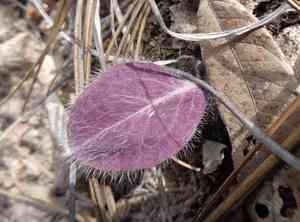
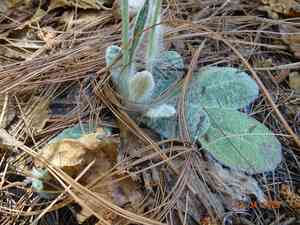
To identify Hieracium fendleri, look for its bright yellow composite flowers, which are formed in clusters. The leaves are usually basal, forming a rosette at the base of the plant, and are hairy. The plant typically grows in dry, rocky areas.
Scientific Classification of Yellow hawkweed
Phylum
Vascular plants
Class
Dicotyledons
Order
Asterales
Family
Daisy
Genus
Hawkweeds
Species
Yellow hawkweed
Planting and Growing of Yellow hawkweed
Care Difficulty
Moderate
Watering Schedule
Every 3 days
Sunlight Requirements
Full sun
Sunshine Duration
4-8 hours
Ideal Temperature
60-75℉
Soil Type
Potting Mix, Peat Mix
Soil pH
6.5-7.5
Fertilizer Type
Balanced
Pruning Season
Spring, Summer
Pruning Area
Branches, Leaves
Pruning Frequency
2 times a year
Repotting Season
Spring
Pot Type
Plastic, Ceramic
 How to Water Yellow hawkweed?
Hieracium fendleri prefers a moderate amount of water. This plant thrives when the soil is kept consistently moist but not soggy. A good rule of thumb is to water thoroughly until excess water drains out of the pot's bottom. This ensures that roots receive ample moisture without becoming waterlogged.
What are the symptoms of an underwatered Yellow hawkweed?
›
What should I do if my Yellow hawkweed is not getting enough water?
›
What are the symptoms of an overwatered Yellow hawkweed?
›
How to save an overwatered Yellow hawkweed?
›
 What Are the Sunlight Requirements for Yellow hawkweed?
Hieracium fendleri thrives best with full to partial sun exposure, translating to about six to eight hours daily. Optimal light boosts flowering, strengthens plant health, and encourages fuller, more vibrant growth.
What is the best location for Hieracium fendleri?
›
How can I ensure Hieracium fendleri receives enough sunlight?
›
What happens when Hieracium fendleri gets optimal sunlight?
›
 What Is the Ideal Temperature Range for Yellow hawkweed?
The ideal temperature range for Hieracium fendleri, a plant native to diverse climatic conditions, is between 60°F and 75°F. This range provides optimal conditions for growth and photosynthesis. Prolonged exposure to temperatures in this range ensures vigorous development and a robust appearance.
 What Soil is Best for Yellow hawkweed?
Hieracium fendleri thrives in well-drained soil conditions. This is crucial as it helps prevent root rot, ensuring that the plant's roots receive enough oxygen. Such soil types shift excess water away quickly, maintaining a healthy root environment. Moderately fertile soil is ideal for Hieracium fendleri as it provides the right mix of nutrients without overwhelming the plant. Too much fertility can lead to overly lush growth at the expense of blooms, whereas the right amount supports balanced growth. Hieracium fendleri can perform well in soil with low organic matter. This characteristic prevents competition with other overly robust plants and creates an environment where this species can maintain its natural growth habit and native appearance.
 How to Fertilize Yellow hawkweed?
For Hieracium fendleri, use a moderate amount of fertilizer. A liquid fertilizer diluted to half strength is appropriate, which should be enough to support its growth while avoiding any risk of over-fertilization. Ensure the soil stays well-drained.
 How to Prune Yellow hawkweed?
Start by evaluating the overall health of your Hieracium fendleri. Remove any dead or diseased foliage to maintain plant vitality. Focus on the lower leaves first and work your way up, ensuring you don’t damage healthy parts. While pruning, aim to create a pleasing shape that allows for even light penetration across the plant. Trim overly vigorous stems that disrupt the shrub’s shape. This not only enhances its aesthetic appeal but also supports better air circulation.
 How to Propagate Yellow hawkweed plant?
1
Collect seeds from mature Hieracium fendleri plants once the flower heads dry. Ensure the seeds are dry and store them in a cool, dark place until use.
2
Sow the collected seeds in a sterile seed-starting mix in trays or pots. Lightly cover them with soil, water gently, and keep them moist until germination.
3
In early spring or autumn, divide mature plants by carefully separating root clumps, ensuring each section has a viable root system and foliage.
 How to Repot Yellow hawkweed plant?
1
Repot this plant when you notice stunted growth or roots growing out of the drainage holes. This typically indicates that the plant has outgrown its current pot and needs more space. These are signs that the plant is ready to move to a new home.
2
Select a pot only slightly larger than the current one to prevent excess soil retaining too much moisture. Ensure it has good drainage holes to allow proper water flow. This helps in reducing the risk of root rot and keeps the plant healthy.
3
Use a well-drained, sandy mix that mimics its natural habitat. This type of soil ensures adequate drainage and prevents waterlogging, promoting healthy root development and reducing the risk of fungal diseases.
Learn More About Yellow hawkweed Diseases
Anthracnose
Bacterial Leaf Spot
Bacterial Soft Rot
Bacterial Wilt
Chemical Injury
Crown Gall
Cyst Nematode
Damping-off
Downy Mildew
Drought Stress
Fusarium Wilt
Gray Mold
Leaf Curl
Leaf Spot
Mosaic
Nutrient Deficiency
Nutrient Toxicity
Powdery Mildew
Root Rot
Root-knot Nematode
Rusts
Sooty Mold
Spider Mites
Temperature Stress
Thrips Damage
White Mold



