
Hibiscus (Hibiscus) (Hibiscus)
Also known as: Rose Mallow, Hardy Hibiscus, Tropical Hibiscus
Hibiscus plants, known for their large, vibrant blooms, thrive in warm climates and must be shielded from cold conditions. They flourish in full sunlight and benefit from hot, extended summers. These tropical plants grow rapidly, even in their initial year. Certain species are also used in making paper, rope, and other items. For best results, plant hibiscus in well-drained soil rich in organic matter and maintain consistent watering.
In This Article
Attributes of Hibiscus (Hibiscus)
Lifespan
Perennial
Plant Height
2 m
Spread
1.5 m
Leaf Color
Green
Flower Size
10 to 20 centimeters (4 to 8 inches)
Flower Color
Red, pink, white, yellow, purple, orange
Images of Hibiscus (Hibiscus)

Quickly Identify Hibiscus (Hibiscus)
1
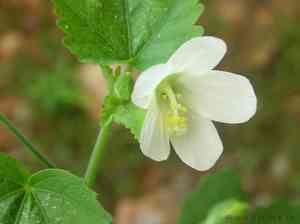
Identify Hibiscus by its large, trumpet-shaped flowers with five or more petals, usually in shades of red, pink, white, or yellow. The leaves are often green and lobed, and the plant may range from shrubs to small trees.
Scientific Classification of Hibiscus (Hibiscus)
Phylum
Magnoliophyta
Class
Magnoliopsida
Order
Malvales
Family
Malvaceae
Genus
Hibiscus
Planting and Growing of Hibiscus (Hibiscus)
Care Difficulty
Easy
Watering Schedule
Every 6 days
Sunlight Requirements
Full sun
Sunshine Duration
6-10 hours
Ideal Temperature
65-75℉
Soil Type
Potting Mix, Peat Mix
Soil pH
6.5-7.5
Fertilizer Type
Balanced
Pruning Season
Spring, Summer
Pruning Area
Branches, Leaves
Pruning Frequency
2 times a year
Repotting Season
Spring
Pot Type
Terracotta, Plastic
 How to Water Hibiscus (Hibiscus)?
Hibiscus plants prefer to be evenly moist, but not waterlogged. It is essential to water them until the soil is wet but not pooling at the surface. This generally requires about 500 ml of water, depending on the pot size and environmental conditions. Ensure that the pot has drainage holes to prevent water from sitting around the roots, which can lead to root rot.
What are the symptoms of an underwatered Hibiscus (Hibiscus)?
›
What should I do if my Hibiscus (Hibiscus) is not getting enough water?
›
What are the symptoms of an overwatered Hibiscus (Hibiscus)?
›
How to save an overwatered Hibiscus (Hibiscus)?
›
 What Are the Sunlight Requirements for Hibiscus (Hibiscus)?
Hibiscus prefers a light range of partial to full sun, ideally receiving full sun for better blooming. This optimal lighting nourishes the plant, ensuring abundant and colorful flowers.
What is the ideal light condition for Hibiscus?
›
How can I ensure Hibiscus gets the ideal lighting?
›
What benefits does ideal lighting provide to Hibiscus?
›
 What Is the Ideal Temperature Range for Hibiscus (Hibiscus)?
The ideal temperature range for cultivating Hibiscus is between 65°F and 75°F. This range allows the plant to thrive, promoting optimal flowering and leaf development. Staying within this range helps ensure that the plant can carry out photosynthesis efficiently and maintain robust health. Maintaining such a temperature is crucial for indoor Hibiscus plants, particularly during colder months.
 What Soil is Best for Hibiscus (Hibiscus)?
Hibiscus thrives in well-drained soil as it prevents waterlogging, which can lead to root rot. Ensuring proper drainage helps maintain a healthy root system, promoting vibrant blooms and robust growth. This plant benefits from nutrient-rich soils that provide essential minerals and nutrients for optimum growth and flowering. Incorporating organic matter enhances soil fertility and supports plant health. While well-drained, the soil must also retain some moisture to support Hibiscus's water needs. Soils with good moisture retention balance keep the plant hydrated between waterings, fostering consistent growth.
 How to Fertilize Hibiscus (Hibiscus)?
Hibiscus plants have a robust appetite for nutrients. When applying fertilizers, use one tablespoon of a balanced 10-10-10 liquid fertilizer per gallon of water. For granular or slow-release fertilizers, follow label directions to apply around the base of the plant, making sure not to exceed a rate of one teaspoon per square foot.
 How to Prune Hibiscus (Hibiscus)?
Start by removing dead, damaged, or crossing branches. Make cuts just above a leaf node or outward-facing bud to promote outward growth. Aim to open up the center of the plant slightly to improve air circulation and sunlight penetration. Trim back up to one-third of the plant to maintain desired shape and size, especially for container-grown hibiscus. This practice helps in controlling excess growth and improving the plant's appearance.
 How to Propagate Hibiscus (Hibiscus) plant?
1
Harvest seeds from mature hibiscus pods when they turn brown and start to crack open. Ensure they're dry before storing, or sow them directly for better germination.
2
Choose healthy stems for cuttings, preferably non-flowering shoots. Cut them just below a node and remove the lower leaves to reduce water loss.
3
For grafting, join the scion and rootstock of compatible hibiscus varieties. Ensure the cambium layers align for successful nutrient exchange.
 How to Repot Hibiscus (Hibiscus) plant?
1
Hibiscus plants need repotting when you notice roots protruding from drainage holes or stunted growth. These signs indicate the plant is root-bound and needs more space. Repotting allows fresh soil nutrients to benefit the plant.
2
Choose a pot 2 inches larger in diameter than the current one. Ensure it has ample drainage holes to prevent waterlogging. A slightly larger pot encourages healthy root growth without overwhelming the plant with excessive soil.
3
Opt for a well-draining potting mix with organic matter. A mix with peat, perlite, and sand supports aeration and drains excess water efficiently. This prevents Hibiscus roots from rotting and enhances overall plant health.
Learn More About Hibiscus (Hibiscus) Diseases
Anthracnose
Bacterial Leaf Spot
Bacterial Wilt
Black Spot
Chemical Injury
Crown Gall
Damping-off
Downy Mildew
Drought Stress
Fusarium Wilt
Gray Mold
Leaf Curl
Leaf Spot
Mosaic
Nutrient Deficiency
Nutrient Toxicity
Powdery Mildew
Root Rot
Root-knot Nematode
Rusts
Sooty Mold
Spider Mites
Temperature Stress
Thrips Damage
White Mold

