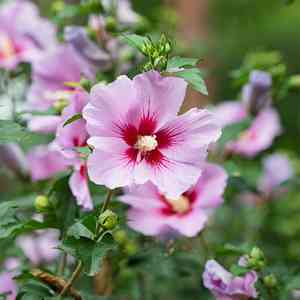
Rose of sharon (Hibiscus syriacus)
Also known as: Shrub althea, Korean rose
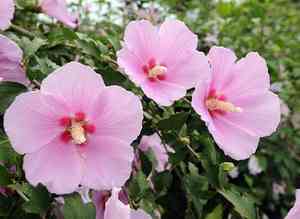
The national flower of South Korea is Hibiscus syriacus, often referred to as the Rose of Sharon. This deciduous shrub features trumpet-shaped flowers that can be pink, lavender, or white. Despite being first identified by Western botanists in Syrian gardens, it is originally from south-central and southeastern China. Known for its resilience and abundant blooming, it is widely cultivated globally. The Rose of Sharon holds cultural significance in South Korea and is even mentioned in the country's national anthem.
In This Article
Attributes of Rose of sharon
Lifespan
Perennial
Plant Type
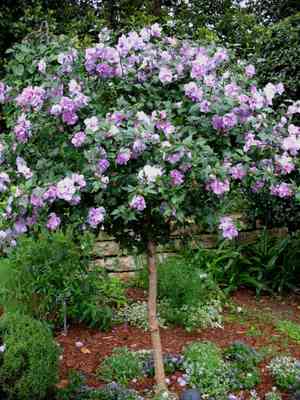
Shrub, Tree
Plant Height
2 m to 4 m
Spread
5 cm to 8 cm
Leaf Color
Green
Flower Size
5 cm to 10 cm
Flower Color
White Pink Red Blue Purple Violet
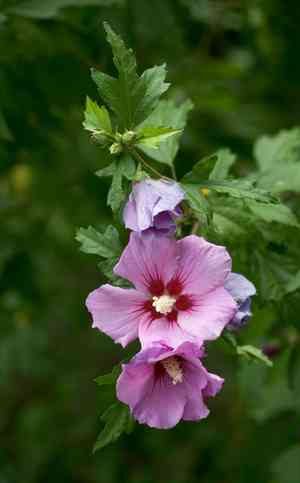
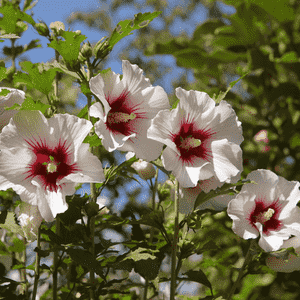
Images of Rose of sharon
Quickly Identify Rose of sharon
1
Erect growth reaching 8-12 feet (2.4-3.7 meters) with showy, tropical flowers and 3-lobed leaves.
2
Distinctive 5-valved, dehiscent fruit capsule persisting through winter, measuring 3/4 inch (1.9 cm).
3
Large flowers (2-4 inches/5-10 cm) with 5 crepe-like petals in vibrant colors and bell-like shape.
4
Medium to dark green, 3-lobed leaves (2-4 inches/5-10 cm) with shiny, toothed surfaces.
5
Foliage arrangement, glossy medium green leaves, and persistent fruit capsule aid in winter identification.
Scientific Classification of Rose of sharon
Phylum
Vascular plants
Class
Dicotyledons
Order
Mallows, rock-roses, and allies
Family
Mallow
Genus
Hibiscus
Species
Rose of sharon
Planting and Growing of Rose of sharon
Care Difficulty
Easy
Watering Schedule
Every 8 days
Sunlight Requirements
Full sun
Sunshine Duration
4-6 hours
Ideal Temperature
65-75℉
Soil Type
Potting Mix, Peat Mix
Soil pH
6.5-7.5
Fertilizer Type
Balanced
Pruning Season
Spring, Summer
Pruning Area
Branches, Leaves
Pruning Frequency
2 times a year
Repotting Season
Spring
Pot Type
Ceramic, Plastic
 How to Water Rose of sharon?
For Hibiscus syriacus, the watering should be thorough, ensuring the soil is consistently moist but not waterlogged. You should aim to water until the top 2 inches of the soil are fully moistened, providing about 150 ml per watering, depending on your pot size and environment conditions.
More About Watering Techniques→
What are the symptoms of an underwatered Rose of sharon?
›
What should I do if my Rose of sharon is not getting enough water?
›
What are the symptoms of an overwatered Rose of sharon?
›
How to save an overwatered Rose of sharon?
›
 What Are the Sunlight Requirements for Rose of sharon?
Hibiscus syriacus performs best in full to partial sun, ideally 6-8 hours. Adequate light increases photosynthesis efficiency, resulting in lush foliage and prolific flowering throughout the growing season.
More About Sunlight Requirements Techniques→
Why does Hibiscus syriacus prefer full sun?
›
How to ensure Hibiscus syriacus receives optimal light?
›
What benefits does full sun provide to Hibiscus syriacus?
›
 What Is the Ideal Temperature Range for Rose of sharon?
The ideal temperature range for growing Hibiscus syriacus is between 65°F and 75°F. This temperature range ensures robust growth and healthy flowering. When maintained within this range, the plant can produce vibrant blooms and exhibit optimal growth characteristics, making it essential for gardeners to monitor conditions closely to stay within these parameters.
 What Soil is Best for Rose of sharon?
Hibiscus syriacus thrives in well-drained soils that prevent roots from becoming waterlogged. Proper drainage ensures roots have access to oxygen, reducing the risk of rot and promoting healthier growth. A soil enriched with organic matter like compost provides essential nutrients, bolstering the shrub’s growth and flowering potential. Organic matter also improves soil structure and moisture retention. Maintaining a balance in moisture retention is crucial. While the soil should not retain water excessively, it should hold enough moisture to prevent drought stress during dry spells.
More About Soil→
 How to Fertilize Rose of sharon?
For Hibiscus syriacus, using a balanced fertilizer such as 10-10-10 is recommended. Apply about 1/2 to 1 pound of fertilizer per inch of trunk diameter, spread evenly around the root zone, and water thoroughly to ensure the nutrients reach the roots. Avoid concentrating the fertilizer too close to the stem to prevent root burn.
More About Fertilizing Techniques→
 How to Prune Rose of sharon?
It's crucial to prune Hibiscus syriacus when the threat of frost has passed, as this plant blooms on new wood. Start by removing dead or weak branches, followed by shaping the plant by cutting back about one-third of the previous year’s growth. Wear protective gloves and eyewear while pruning to protect yourself from scratches and sap exposure. Additionally, be cautious of sharp tools to avoid any personal injury.
More About Pruning Techniques→
 How to Propagate Rose of sharon plant?
1
Choose a healthy, disease-free branch from the parent plant. The cutting should be between 4 to 6 inches long and include several leaves.
2
Remove any flowers and most leaves to minimize moisture loss. Dip the cut end into rooting hormone to stimulate root growth.
3
Insert the cutting into a pot filled with a moist, well-draining soil mix. Maintain humidity around the cutting to aid in root development.
 How to Repot Rose of sharon plant?
1
Hibiscus syriacus should be repotted when its roots start to circle the base of the pot, or when it seems to have outgrown its current container. Signs include slower growth and quick drying of soil.
2
Choose a pot that is one size larger than the current one and has drainage holes. This ensures the roots have space to expand, while preventing waterlogging, which can lead to root rot.
3
Opt for a loamy, well-draining potting mix. This type of soil will retain enough moisture while allowing excess water to flow through, supporting healthy root development.
Learn More About Rose of sharon Diseases
Anthracnose
Bacterial Leaf Spot
Bacterial Wilt
Black Spot
Chemical Injury
Crown Gall
Damping-off
Drought Stress
Fusarium Wilt
Gray Mold
Leaf Curl
Leaf Spot
Mosaic
Nutrient Deficiency
Nutrient Toxicity
Powdery Mildew
Root Rot
Root-knot Nematode
Rusts
Sooty Mold
Spider Mites
Temperature Stress
Thrips Damage
White Mold



