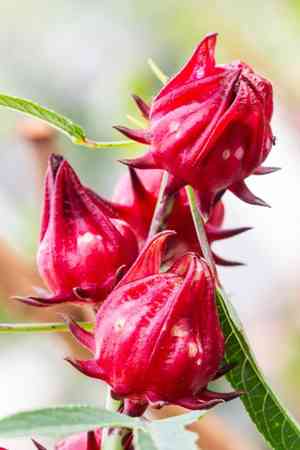
Roselle (Hibiscus sabdariffa)
Also known as: Carcade
Hibiscus sabdariffa, commonly known as Roselle, is a species of hibiscus native to Africa. This versatile plant is widely used in beverages, as a vegetable, and in making jams and preserves.
In This Article
Attributes of Roselle
Lifespan
Annual, Perennial, Biennial
Plant Type
Herb
Plant Height
1.5 m to 2 m
Spread
1.2 m to 1.8 m
Leaf Color
Green Red
Flower Size
6 cm to 7 cm
Flower Color
White Yellow Pink Red
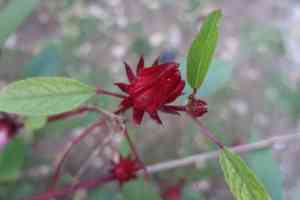
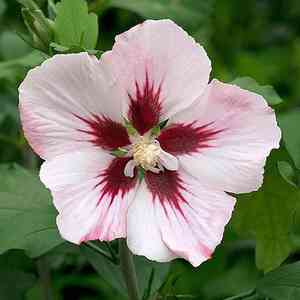
Images of Roselle
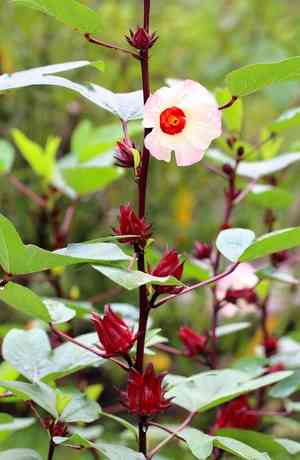
Quickly Identify Roselle
1
Striking red to purple stems
2
Distinctive white to yellowish-white flowers with vivid red center
3
Deeply lobed, maple-like leaves
4
3 inch (7.6 cm) wide flowers lasting a day
5
Fleshy red calyx encapsulating small, brown seeds
Scientific Classification of Roselle
Phylum
Vascular plants
Class
Dicotyledons
Order
Mallows, rock-roses, and allies
Family
Mallow
Genus
Hibiscus
Species
Roselle
Planting and Growing of Roselle
Care Difficulty
Easy
Watering Schedule
Every 4 days
Sunlight Requirements
Full sun
Sunshine Duration
6-10 hours
Ideal Temperature
75-86℉
Soil Type
Potting Mix, Peat Mix
Soil pH
6.5-7.5
Fertilizer Type
Balanced
Pruning Season
Spring, Summer
Pruning Area
Branches, Leaves
Pruning Frequency
Once a year
Repotting Season
Spring
Pot Type
Plastic, Ceramic
 How to Water Roselle?
For Hibiscus sabdariffa, it is crucial to maintain moist soil while avoiding waterlogging. When watering, aim for about 500 milliliters at a time, ensuring that the topsoil is consistently damp but not saturated. This approach helps in preventing root rot while providing adequate moisture for the plant's nutrient uptake.
More About Watering Techniques→
What are the symptoms of an underwatered Roselle?
›
What should I do if my Roselle is not getting enough water?
›
What are the symptoms of an overwatered Roselle?
›
How to save an overwatered Roselle?
›
 What Are the Sunlight Requirements for Roselle?
Hibiscus sabdariffa is best suited for full to partial sun conditions, ideally six to eight hours of bright light daily. Ideal lighting promotes healthy foliage, abundant blooming, and robust plant vitality.
More About Sunlight Requirements Techniques→
How much light does Hibiscus sabdariffa need?
›
Where should I place my Hibiscus sabdariffa for best growth?
›
What solutions can be adopted to manage ideal lighting conditions?
›
 What Is the Ideal Temperature Range for Roselle?
For Hibiscus sabdariffa, the optimal temperature range is between 75°F and 86°F. Maintaining this temperature ensures optimal growth and flowering. Within this range, the plant can efficiently photosynthesize and uptake nutrients, which contributes to its vigorous growth and vibrant blooms. Any significant deviation can slow down growth or affect its overall health.
 What Soil is Best for Roselle?
Hibiscus sabdariffa thrives in nutrient-rich soil which provides essential macro and micronutrients leading to robust plant growth and vibrant blossoms. This type of soil supports the plant's overall health, ensuring it has the necessary elements to fight off disease and grow strong. The plant requires well-draining soil to avoid waterlogging, which can lead to root rot. Well-drained soil ensures that while the plant gets the moisture it needs, it does not suffer from excess water which could stunt its growth. While the soil should drain well, it should also retain moisture to keep the roots hydrated. Moisture retentive soils balance water drainage and retention, keeping Hibiscus sabdariffa healthy through dry spells.
More About Soil→
 How to Fertilize Roselle?
Hibiscus sabdariffa benefits from a balanced nutrient supply to promote its growth and flowering. Apply a liquid fertilizer at a rate of half the recommended dose every two weeks to prevent over-fertilization. For slow-release granular fertilizers, use approximately 2 tablespoons per plant per application, three times annually.
More About Fertilizing Techniques→
 How to Prune Roselle?
Do not remove more than one-third of the plant's overall growth at one time, as this can stress the plant. Balanced pruning ensures continued vitality and blooming. Inspect the plant for pests or diseases during pruning. Early detection can prevent the spread and save the plant from severe damage. Make your cuts during the cooler part of the day to minimize stress on the plant. Avoid pruning during very hot or very cold weather. After pruning, water the plant well and consider applying a balanced fertilizer to encourage new growth and recovery.
More About Pruning Techniques→
 How to Propagate Roselle plant?
1
Harvest mature seeds from the plant after flowering. Ensure they are fully dried before storing them in a cool, dry place until you are ready to plant them.
2
For seeds, a light, well-draining soil mix is ideal. For cuttings, a mix rich in organic material helps promote rooting. Moisten the soil slightly before planting.
3
Sow seeds on the surface and cover lightly with soil. Place cuttings in the soil, ensuring at least one node is covered. Water gently to avoid dislodging seeds or cuttings from the soil.
 How to Repot Roselle plant?
1
Hibiscus sabdariffa shows signals when it needs repotting, like roots growing through drainage holes or a significant slow down in growth. Typically, these signals are more evident in the spring or autumn when the plant is actively growing and can recover quickly from the stress of repotting.
2
When selecting a pot for Hibiscus sabdariffa, ensure it is slightly larger than the current one to give roots room to spread. A pot with good drainage holes is essential to prevent waterlogging, which can lead to root rot. The material should also allow for some breathability, such as terra cotta, which helps regulate moisture levels.
3
Opt for a well-draining loamy soil, ideally mixed with some organic matter to retain nutrients. This type of soil allows excess water to drain away and prevents the roots from sitting in water, reducing the risk of root rot. The organic matter provides the necessary nutrients for healthy growth.
Learn More About Roselle Diseases
Anthracnose
Bacterial Leaf Spot
Bacterial Wilt
Damping-off
Downy Mildew
Drought Stress
Fusarium Wilt
Gray Mold
Leaf Curl
Leaf Spot
Mosaic
Nutrient Deficiency
Nutrient Toxicity
Powdery Mildew
Root Rot
Root-knot Nematode
Rusts
Sooty Mold
Spider Mites
Temperature Stress
Thrips Damage
White Mold
Chemical Injury



