
Heartleaf rosemallow (Hibiscus martianus)
Also known as: Mountain rosemallow
Heartleaf rosemallow, also known as Hibiscus martianus, is sometimes called Tulipan Del Monte or heartleaf hibiscus. This plant is native to Mexico and parts of Texas, and it is excellent for attracting hummingbirds.
In This Article
Attributes of Heartleaf rosemallow
Lifespan
Perennial
Plant Type
Herb, Shrub
Plant Height
30 cm to 91 cm
Spread
30 cm to 90 cm
Leaf Color
Green
Flower Size
5 cm to 8 cm
Flower Color
Red Burgundy
Images of Heartleaf rosemallow
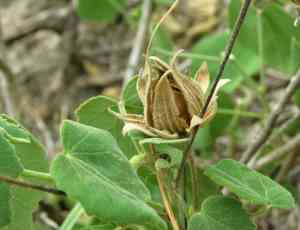


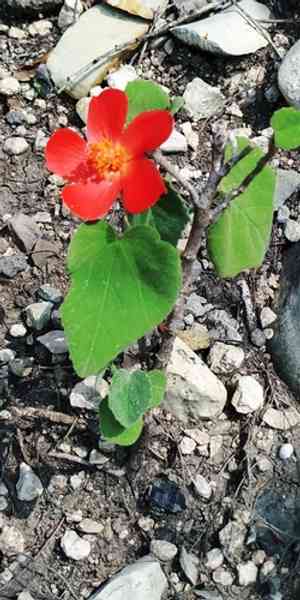
Quickly Identify Heartleaf rosemallow
1
Heart-shaped leaves with a silvery-green hue, measuring 2-4 inches (5-10 cm) in length.
2
Sturdy stem, up to 3 feet (91 cm) tall, with a smooth to sparsely hairy texture.
3
Crimson red blooms on solitary stems, trumpet-like in shape, 2-3 inches (5-7.5 cm) wide.
4
Eye-catching oval fruit capsule, 0.8-1.2 inches (2-3 cm), transitioning from green to brown.
5
Distinctive smooth trunk with greenish-brown color, developing elongated spots and later a grayish tone.
Scientific Classification of Heartleaf rosemallow
Phylum
Vascular plants
Class
Dicotyledons
Order
Malvales
Family
Mallow
Genus
Hibiscus
Species
Heartleaf rosemallow
Planting and Growing of Heartleaf rosemallow
Care Difficulty
Easy
Watering Schedule
Every 2 days
Sunlight Requirements
Full sun
Sunshine Duration
4-8 hours
Ideal Temperature
65-85℉
Soil Type
Potting Mix, Peat Mix
Soil pH
6.5-7.5
Fertilizer Type
Balanced
Pruning Season
Spring, Summer
Pruning Area
Branches, Leaves
Pruning Frequency
2 times a year
Repotting Season
Spring
Pot Type
Plastic, Ceramic
 How to Water Heartleaf rosemallow?
For Hibiscus martianus, you should aim to water until the soil is evenly moist but not waterlogged. This generally equates to about 500 ml of water per session. Ensure that water penetrates the root zone thoroughly, reaching the deeper layers of the soil which are crucial for the plant's development, but avoid letting the plant sit in standing water.
What are the symptoms of an underwatered Heartleaf rosemallow?
›
What should I do if my Heartleaf rosemallow is not getting enough water?
›
What are the symptoms of an overwatered Heartleaf rosemallow?
›
How to save an overwatered Heartleaf rosemallow?
›
 What Are the Sunlight Requirements for Heartleaf rosemallow?
Ideally, position the Hibiscus martianus to receive a mix of full and partial sunlight. This balance encourages lush foliage and abundant flowering, enhancing the plant’s overall health and resilience.
More About Sunlight Requirements Techniques→
Solution Introduction
›
Implementation
›
Benefits
›
 What Is the Ideal Temperature Range for Heartleaf rosemallow?
Hibiscus martianus thrives best when kept in a warm environment where temperatures range between 65°F and 85°F. This range offers optimal conditions for photosynthesis and healthy growth, allowing the plant to bloom profusely. Consistent temperatures within this range will help avoid stress and promote vibrant foliage and flowers.
 What Soil is Best for Heartleaf rosemallow?
Hibiscus martianus thrives in well-drained soils that prevent waterlogging, which can cause root rot. The right soil balance ensures that the plant receives adequate moisture without excess water, promoting healthy roots and vigorous growth. This plant benefits from soil rich in organic matter which supports robust growth. Nutrient-rich soils provide essential minerals that bolster flowering and overall plant vitality, ensuring a lush and vibrant appearance. Slight moisture retention is crucial for Hibiscus martianus, allowing roots to access consistent hydration. This helps in maintaining leaf health and encourages the development of abundant flowers, showcasing its full ornamental potential.
 How to Fertilize Heartleaf rosemallow?
For Hibiscus martianus, use a balanced 10-10-10 (N-P-K) fertilizer. When using liquid fertilizer, dilute at a rate of about 1 tablespoon per gallon of water. For slow-release fertilizers, evenly distribute around the base of the plant, generally using about 1 to 1.5 pounds per 100 square feet.
 How to Prune Heartleaf rosemallow?
Begin pruning your Hibiscus martianus by identifying dead or diseased branches. Use a sharp pair of pruning scissors to remove these branches at their base. Next, focus on cutting back any overly long branches to promote a more compact form. Make cuts at a slight angle above a leaf node or bud, encouraging new growth in the desired direction. Ensure that cuts are clean to prevent damage and reduce the chance of disease. Regularly remove spent flowers to prolong blooming and support plant health.
More About Pruning Techniques→
 How to Propagate Heartleaf rosemallow plant?
1
Gather seeds from mature Hibiscus martianus flowers. Clean and dry them thoroughly before sowing, ensuring they are free from any fungal infections.
2
Cut 4-6 inch long healthy branches that are semi-hardwood, ensuring each has at least two leaves. Use sharp pruning shears to make the cut.
3
Plant the seeds or cuttings in pots filled with the potting mix. Keep them in a warm area with indirect sunlight, and water them regularly, but not excessively.
 How to Repot Heartleaf rosemallow plant?
1
Keep an eye out for signs like roots growing out of the drainage holes, soil drying out quickly, or stunted growth. These indicators suggest your Hibiscus martianus needs more room and nutrients, making it perfect for repotting.
2
Select a pot that's 2-3 inches larger in diameter than the current one to allow for growth. Ensure it has ample drainage holes to prevent water logging, which can lead to root rot and other issues.
3
Opt for a well-draining potting mix that retains moisture but doesn't stay soggy. Adding perlite or sand can improve drainage. A good mix ensures healthy roots, vital for lush growth and vibrant blooms.
Learn More About Heartleaf rosemallow Diseases
Anthracnose
Bacterial Leaf Spot
Bacterial Wilt
Black Spot
Chemical Injury
Damping-off
Downy Mildew
Drought Stress
Fusarium Wilt
Gray Mold
Leaf Curl
Leaf Spot
Mosaic
Nutrient Deficiency
Nutrient Toxicity
Powdery Mildew
Root Rot
Root-knot Nematode
Rusts
Sooty Mold
Spider Mites
Temperature Stress
Thrips Damage
White Mold



