
Comfortroot (Hibiscus aculeatus)
Also known as: Pineland Hibiscus, Comfortroot
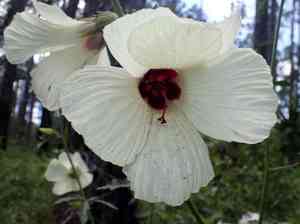
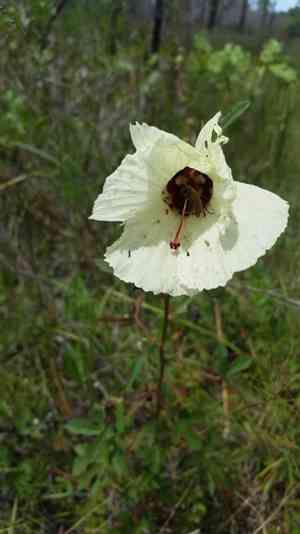
Comfortroot, also known as Hibiscus aculeatus, features large, eye-catching yellow flowers with a vivid red center. This plant thrives in sunny, wet environments, commonly found in marshes and near water bodies. Its unique prickly stems help deter herbivores, offering a natural defense mechanism that aids its survival in the wild.
In This Article
Attributes of Comfortroot
Lifespan
Perennial
Plant Type
Herb
Plant Height
91 cm to 1.8 m
Spread
1 to 3 feet
Leaf Color
Green
Flower Size
4 to 6 inches
Flower Color
Yellow with dark red or burgundy center
Images of Comfortroot


Quickly Identify Comfortroot
1
Hibiscus aculeatus can be identified by its large, bright yellow flowers with a dark red or burgundy center. The leaves are lobed and can appear somewhat coarse.
Scientific Classification of Comfortroot
Phylum
Vascular plants
Class
Dicotyledons
Order
Malvales
Family
Mallow
Genus
Hibiscus
Species
Comfortroot
Planting and Growing of Comfortroot
Care Difficulty
Moderate
Watering Schedule
Every 6 days
Sunlight Requirements
Full sun
Sunshine Duration
4-6 hours
Ideal Temperature
68-86℉
Soil Type
Potting Mix, Peat Mix
Soil pH
6.5-7.5
Fertilizer Type
Balanced
Pruning Season
Spring, Summer
Pruning Area
Branches, Leaves
Pruning Frequency
2 times a year
Repotting Season
Spring
Pot Type
Plastic, Ceramic
 How to Water Comfortroot?
When watering Hibiscus aculeatus, aim to soak the soil thoroughly until water drains out from the bottom of the pot. This ensures that the roots can access adequate moisture without sitting in water, which prevents root rot. Generally, 500 ml should suffice, but this can vary based on your climate and pot size.
What are the symptoms of an underwatered Comfortroot?
›
What should I do if my Comfortroot is not getting enough water?
›
What are the symptoms of an overwatered Comfortroot?
›
How to save an overwatered Comfortroot?
›
 What Are the Sunlight Requirements for Comfortroot?
Hibiscus aculeatus prefers full sun, with 6-8 hours of sunlight encouraging blooming and robust growth. Ideal light helps in health and aesthetic appeal by promoting flowering and vibrant foliage.
How much sunlight does Hibiscus aculeatus need?
›
Can Hibiscus aculeatus tolerate partial shade?
›
What are the benefits of ideal sunlight conditions for Hibiscus aculeatus?
›
 What Is the Ideal Temperature Range for Comfortroot?
Hibiscus aculeatus thrives best at temperatures between 68°F and 86°F. These conditions ensure optimal growth and flowering as they closely mimic the plant's natural habitat. Maintaining this range aids in consistent blooming and healthy foliage.
 What Soil is Best for Comfortroot?
Hibiscus aculeatus flourishes in well-drained soils that ensure root health by preventing waterlogging. Well-drained conditions help the plant absorb nutrients efficiently and promote robust growth. Rich in organic matter, the soil should supply ample nutrients for flower development. Nutrient-rich soils enhance the plant's flowering potential and boost its vibrant display. While drainage is crucial, the soil should also retain adequate moisture to sustain the plant during dry spells. Balancing moisture is key to maintaining the plant's lush foliage and steady bloom production.
 How to Fertilize Comfortroot?
For Hibiscus aculeatus, use a balanced fertilizer diluted to half its strength for liquid applications. Apply 1-2 cups monthly during the growing season. For slow-release fertilizers, sprinkle 1-2 tablespoons per square foot twice a year, ensuring even distribution to avoid roots' concentration.
 How to Prune Comfortroot?
Begin by identifying and removing all dead or diseased wood, cutting back to healthy growth. Next, shape the plant by trimming long stems and errant growth to maintain a uniform appearance. Consider thinning the center to increase light penetration and air circulation. To promote blooming, prune shoots just above a leaf node, where the growth is particularly vigorous. This encourages the development of new flowering sites. Focus on the tips of branches and avoid cutting into old, woody growth, as new flowers typically form on fresh growth.
More About Pruning Techniques→
 How to Propagate Comfortroot plant?
1
To propagate Hibiscus aculeatus from seeds, fill a seed tray with a well-draining potting mix. Sow the seeds evenly and cover them lightly with soil. Water gently and place the tray in a warm, bright location. Maintain consistent moisture until germination occurs, usually within two weeks.
2
Select healthy, disease-free stems from the parent plant. Using pruning shears, cut 4-6 inch sections just below a node. Remove the lower leaves and dip the cut end in rooting hormone. Plant the cuttings in a potting mix and water well. Keep in a humid, warm environment to encourage rooting.
3
Once seedlings or rooted cuttings are strong enough, they can be transplanted into larger pots or the garden. Choose a sunny spot with well-draining soil. Ensure the soil is enriched with organic matter and water regularly until the plants establish.
 How to Repot Comfortroot plant?
1
Hibiscus aculeatus indicates the need for repotting when roots start emerging from the drainage holes, or its growth becomes stunted. Another clear signal is when the plant needs more frequent watering. These signs suggest that the plant has outgrown its current container and requires more room for its roots to expand and thrive.
2
Select a pot that is one size larger than the current one, ensuring it has adequate drainage holes at the bottom. The benefit of a larger pot is that it provides extra space for root growth, which supports vigorous aerial growth. Good drainage prevents waterlogging, reducing the risk of root rot.
3
An ideal soil mix for Hibiscus aculeatus is well-drained and rich in organic matter. This type of soil allows for excellent drainage while retaining enough moisture for the plant to absorb necessary nutrients. The improved soil aeration promotes healthier root development, ultimately leading to a more robust plant.
Learn More About Comfortroot Diseases
Anthracnose
Bacterial Leaf Spot
Bacterial Wilt
Black Spot
Chemical Injury
Damping-off
Downy Mildew
Drought Stress
Fusarium Wilt
Gray Mold
Leaf Curl
Leaf Spot
Mosaic
Nutrient Deficiency
Nutrient Toxicity
Powdery Mildew
Root Rot
Root-knot Nematode
Rusts
Sooty Mold
Spider Mites
Temperature Stress
Thrips Damage
White Mold



