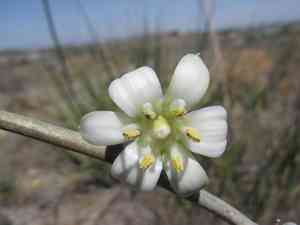
New mexico false yucca (Hesperaloe funifera)
Also known as: Coahuilan Hesperaloe, Giant Hesperaloe
The New Mexico false yucca, or Hesperaloe, stands out in water-wise gardens thanks to its unique features. Its slender, fibrous leaves grow from a central rosette, forming a graceful, fountain-like shape. Tall, robust stalks bear vibrant flower clusters that resemble fireworks, adding a dramatic touch to dry landscapes. Its exceptional drought tolerance and striking appearance make it a valuable addition to sustainable gardens.
In This Article
Attributes of New mexico false yucca
Lifespan
Perennial
Plant Type
Succulent
Plant Height
1.8 m
Spread
2 m
Leaf Color
Green
Flower Size
1 - 1.5 inches (2.5 - 3.8 cm)
Flower Color
Cream to white
Images of New mexico false yucca
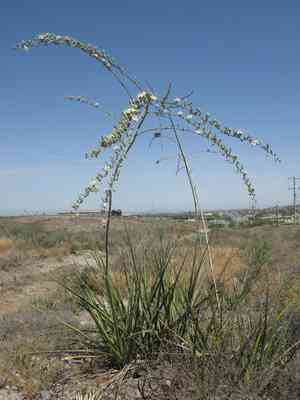
Quickly Identify New mexico false yucca
1
Look for thick, fibrous leaves that can reach up to 6 feet long with thread-like fibers along the edges. The plant produces tall stalks topped with clusters of cream to white flowers.
Scientific Classification of New mexico false yucca
Phylum
Vascular plants
Class
Monocotyledons
Order
Asparagales
Family
Asparagus
Genus
False yuccas
Species
New mexico false yucca
Planting and Growing of New mexico false yucca
Care Difficulty
Easy
Watering Schedule
Every day
Sunlight Requirements
Full sun
Sunshine Duration
4-8 hours
Ideal Temperature
60-80℉
Soil Type
Potting Mix, Peat Mix
Soil pH
6.5-7.5
Fertilizer Type
Balanced
Pruning Season
Spring, Summer
Pruning Area
Branches, Leaves
Pruning Frequency
2 times a year
Repotting Season
Spring
Pot Type
Plastic, Ceramic
 How to Water New mexico false yucca?
Hesperaloe funifera prefers sparse watering, as it is adapted to arid environments. When watering, aim for about 500ml, ensuring the soil gets moistened but not waterlogged. It's crucial to let the soil dry out completely between waterings to mimic its natural habitat.
What are the symptoms of an underwatered New mexico false yucca?
›
What should I do if my New mexico false yucca is not getting enough water?
›
What are the symptoms of an overwatered New mexico false yucca?
›
How to save an overwatered New mexico false yucca?
›
 What Are the Sunlight Requirements for New mexico false yucca?
Hesperaloe funifera prefers full sun. Ideal light promotes stronger, healthier growth with vibrant foliage. Ensuring plenty of sunlight simulates its natural habitat, key for optimal health.
Optimal Sun Exposure
›
Sunlight Solutions
›
Benefits of Proper Light
›
 What Is the Ideal Temperature Range for New mexico false yucca?
Hesperaloe funifera thrives best in warm climates, with an ideal temperature range of 60 to 80 degrees Fahrenheit. This range promotes healthy growth by providing the optimal conditions for photosynthesis and metabolic activities. Maintaining these temperatures can help the plant achieve its maximum growth potential.
 What Soil is Best for New mexico false yucca?
Hesperaloe funifera flourishes in well-draining soil, which helps prevent root rot and ensures adequate oxygen reaches the roots. This is essential for maintaining healthy growth and vibrant foliage. While relatively hardy, adding organic matter to the soil can promote better growth. A nutrient-rich medium encourages vigorous growth and increases the plant’s resilience to environmental stress. This plant prefers soil that retains some moisture but isn't waterlogged. This balance ensures the plant receives adequate hydration without risking root rot, which can be harmful to its health.
 How to Fertilize New mexico false yucca?
For Hesperaloe funifera, apply liquid fertilizer at half the recommended strength for general houseplants. Each application should be about 10-15 milliliters of diluted solution per plant. For slow-release fertilizers, use one tablespoon per plant annually to ensure balanced nutrition without overwhelming the root system.
 How to Prune New mexico false yucca?
Hesperaloe funifera is naturally low-maintenance. Over-pruning can stress the plant and negatively impact its growth. Focus on removing only the parts that are absolutely necessary, such as dead leaves and spent flower stalks. Always use sharp, sterilized pruning shears to avoid the transmission of diseases. Clean cuts promote quicker healing, reducing the risk of infection or pest invasion.
 How to Propagate New mexico false yucca plant?
1
Fill the seed tray with a sterile potting mix and moisten it evenly. Make sure there are drainage holes to prevent waterlogging. Level the surface gently to provide a consistent medium for seeding.
2
Distribute the seeds evenly on the surface of the prepared potting mix. Gently press them into the soil, but do not bury them too deeply. Lightly cover them with a thin layer of soil or sand.
3
Keep the soil consistently moist but not soggy. Use a spray bottle to mist the surface and prevent disturbing the seeds. A humidity dome can be used to maintain moisture levels.
 How to Repot New mexico false yucca plant?
1
Hesperaloe funifera should be repotted when you notice roots crowding the pot or protruding from drainage holes. These signs indicate the plant is outgrowing its current container. Additionally, repot if the soil seems compacted or if it's been a few years since the last repotting, particularly during Spring or Summer.
2
Select a pot that is about 1-2 inches larger in diameter than the current one. The pot should have ample drainage holes to avoid waterlogging. A wider and slightly shallow pot encourages proper root spread and reduces the chances of root rot, promoting healthier growth as these plants don't require depth but breadth.
3
Use a well-draining gritty soil mix that contains sand, perlite, and a bit of organic matter. This mix replicates the plant's natural arid environment, preventing root rot and providing necessary nutrients. The gritty texture ensures excess water drains quickly, minimizing the risk of overwatering while maintaining ideal moisture levels.



