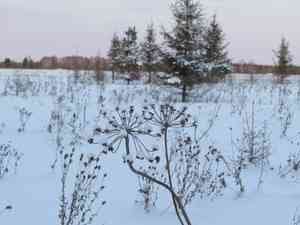
Cow parsnip (Heracleum) (Heracleum)
Also known as: Honeysuckle
Heracleum, commonly known as cow parsnip, is a genus of biennial and perennial herbs in the Apiaceae family. These plants are distributed across the temperate regions of the northern hemisphere and can also be found in high-altitude areas extending as far south as Ethiopia. As of summer 2019, Plants of the World Online recognizes 148 species within this genus.
In This Article
Attributes of Cow parsnip (Heracleum)
Lifespan
Biennial
Plant Height
1.5 to 4 meters
Spread
4 to 7 meters
Leaf Color
Green
Flower Size
10 to 37 centimeters
Flower Color
White, sometimes pinkish-white
Images of Cow parsnip (Heracleum)
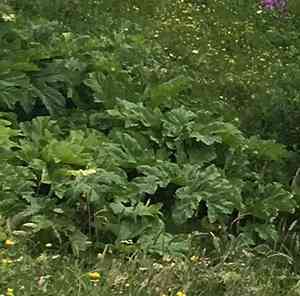
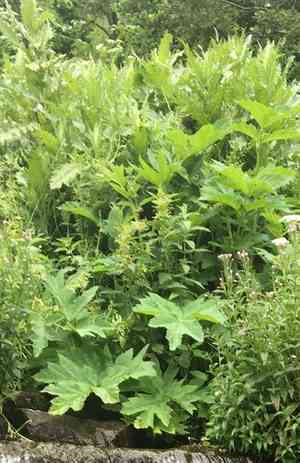
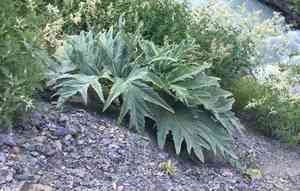

Quickly Identify Cow parsnip (Heracleum)
1
Heracleum species can be identified by their large size, thick, and ridged stems often with purple splotches, and large white or pinkish-white umbel flowers. The leaves are broad and lobed, resembling those of the maple tree.
Scientific Classification of Cow parsnip (Heracleum)
Phylum
Angiosperms
Class
Magnoliopsida
Order
Apiales
Family
Apiaceae
Genus
Heracleum
Planting and Growing of Cow parsnip (Heracleum)
Care Difficulty
Moderate
Watering Schedule
Every 4 days
Sunlight Requirements
Full sun
Sunshine Duration
6-10 hours
Ideal Temperature
60-70℉
Soil Type
Potting Mix, Peat Mix
Soil pH
6.5-7.5
Fertilizer Type
Balanced
Pruning Season
Spring, Summer
Pruning Area
Branches, Leaves
Pruning Frequency
Once a year
Repotting Season
Spring
Pot Type
Plastic, Ceramic
 How to Water Cow parsnip (Heracleum)?
When watering Heracleum, ensure that the soil is moist but not waterlogged. Aim for 500 ml per session, allowing the water to thoroughly reach the root system without pooling at the surface. This ensures that the plant receives the moisture it needs without causing root rot.
What are the symptoms of an underwatered Cow parsnip (Heracleum)?
›
What should I do if my Cow parsnip (Heracleum) is not getting enough water?
›
What are the symptoms of an overwatered Cow parsnip (Heracleum)?
›
How to save an overwatered Cow parsnip (Heracleum)?
›
 What Are the Sunlight Requirements for Cow parsnip (Heracleum)?
Partial to full sunlight is ideal, providing Heracleum ample energy for photosynthesis. This range ensures its leaves and stems remain robust, supporting overall enthusiasm and flowering.
What is the ideal light condition for Heracleum?
›
How can you ensure Heracleum gets the best light?
›
What are the benefits of ideal sunlight for Heracleum?
›
 What Is the Ideal Temperature Range for Cow parsnip (Heracleum)?
Heracleum thrives best in a temperate climate where the temperature ranges between 60°F and 70°F. This range provides optimal conditions for photosynthesis, nutrient absorption, and overall growth. Maintaining this range ensures the plant develops healthy foliage and flowers, while also minimizing the risks of disease and pest infestation.
 What Soil is Best for Cow parsnip (Heracleum)?
Heracleum requires well-drained soil to prevent root rot. Enhanced drainage ensures roots can access sufficient oxygen, supporting robust growth and overall plant health. A soil rich in organic matter is ideal for Heracleum as it provides essential nutrients that help in the vigorous foliage growth indicative of this plant species. While drainage is crucial, the soil should also retain adequate moisture. This balance ensures that Heracleum remains hydrated during dry spells without becoming waterlogged.
 How to Fertilize Cow parsnip (Heracleum)?
Heracleum, commonly referred to as cow parsley or hogweed, requires a balanced fertilizer approach. During the growing season, mix a water-soluble fertilizer at half the recommended strength to avoid over-fertilization and burning the roots. A general guideline for application is about 1 teaspoon per gallon of water, applied at the base of the plant.
 How to Prune Cow parsnip (Heracleum)?
Start by wearing protective gloves, as Heracleum sap can irritate the skin. Use sharp pruning shears to remove dead or damaged leaves and stems. Trim back any flower heads that have completed blooming to encourage new growth. Focus on creating an open and balanced structure, allowing sunlight to penetrate and air to circulate freely within the plant's canopy. Remember to clean your tools after use to prevent the spread of disease.
 How to Propagate Cow parsnip (Heracleum) plant?
1
Start by preparing a well-draining soil mix. You can create this by mixing equal parts of peat and perlite. Fill the seed tray with this mix, leaving some space at the top.
2
Heracleum seeds should be sown on the surface of the soil mix. Lightly press them into the soil but do not cover them completely. This allows for proper light exposure, which is essential for germination.
3
Once the seeds are sown, gently water the soil to keep it moist, but not waterlogged. A spray bottle can be ideal for this, as it helps to avoid disturbing the delicate seeds.
 How to Repot Cow parsnip (Heracleum) plant?
1
Repot your Heracleum when the roots start growing through the drainage holes or become pot-bound, indicating that it has outgrown its current pot. Additionally, a noticeable slowdown in growth despite regular watering and feeding can be a sign that your plant needs more space. The best time for repotting Heracleum is during its active growth phase in spring or summer.
2
Select a pot that is one size larger than the current one or has a diameter 2-3 inches wider. Ensure it has drainage holes to allow water to escape, preventing root rot. The right pot size provides necessary space for the roots to expand, promoting healthy growth and reducing stress on the plant.
3
Opt for a well-draining soil mix rich in organic matter to mimic Heracleum's natural habitat. This type of soil retains necessary moisture while allowing excess water to drain, preventing waterlogging. A soil mix with peat, perlite, and loam provides excellent structure for root support and nutrient availability.
Toxicity
Skin contact with sap, ingestion
WARNING
The judgment on toxicity and danger is for reference only. We DO NOT GUARANTEE any accuracy of such judgment. Therefore, you SHALL NOT rely on such judgment. It is IMPORTANT TO SEEK PROFESSIONAL ADVICE in advance when necessary.
Learn More About Cow parsnip (Heracleum) Diseases
Anthracnose
Bacterial Leaf Spot
Bacterial Soft Rot
Bacterial Wilt
Chemical Injury
Damping-off
Downy Mildew
Drought Stress
Fusarium Wilt
Gray Mold
Leaf Curl
Leaf Spot
Mosaic
Nutrient Deficiency
Nutrient Toxicity
Powdery Mildew
Root Rot
Root-knot Nematode
Rusts
Sooty Mold
Spider Mites
Temperature Stress
Thrips Damage
White Mold

