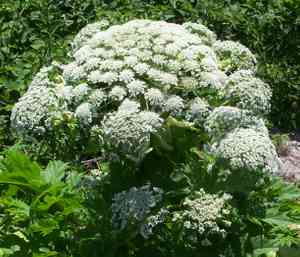
Giant hogweed (Heracleum mantegazzianum)
Also known as: Giant cow parsley, Hogsbane, Wild rhubarb, Mantegazzi’s Cow-Parsnip
Giant Hogweed (Heracleum mantegazzianum) is a towering perennial plant that can grow between 2 to 5 meters tall. Despite its amusing nicknames such as Giant Cow Parsley, Hogsbane, and Giant Alien, this plant is far from funny. It is an invasive species with phototoxic properties. Contact with its sap, combined with exposure to sunlight, triggers a condition known as phytophotodermatitis, leading to severe skin inflammation, blistering, and potential scarring that can persist for several days.
Attributes of Giant hogweed
Images of Giant hogweed
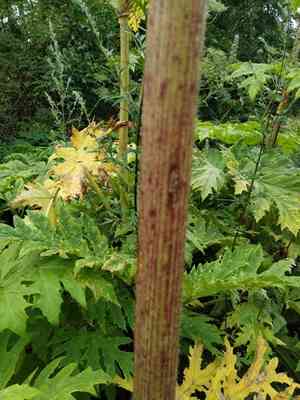
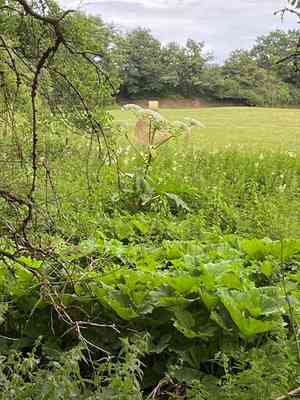
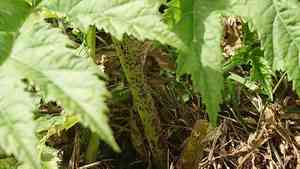
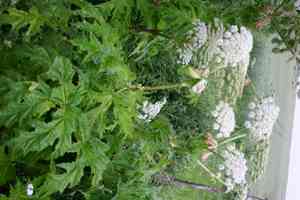
Quickly Identify Giant hogweed
Scientific Classification of Giant hogweed
Planting and Growing of Giant hogweed
 How to Water Giant hogweed?
 What Are the Sunlight Requirements for Giant hogweed?
 What Is the Ideal Temperature Range for Giant hogweed?
 What Soil is Best for Giant hogweed?
 How to Fertilize Giant hogweed?
 How to Prune Giant hogweed?
 How to Propagate Giant hogweed plant?
 How to Repot Giant hogweed plant?
Toxicity of Giant hogweed
Is Giant hogweed toxic to humans?
Giant hogweed is highly toxic to humans, often resulting in serious reactions upon contact – in many instances, exposure to giant hogweed necessitates a visit to the doctor. These plants produce a poisonous sap that permeates their entire structure, with individuals being especially vulnerable during activities such as pruning or attempting to eliminate the plant when it is broken or damaged. Direct contact with giant hogweed leads to symptoms like redness, itching, and intense blistering of the skin, which can persist for days or even weeks, potentially leaving behind permanent scars. The sap can also induce photosensitivity and may even result in temporary vision loss. Individuals engaged in removing this invasive plant from gardens and landscaped areas may inadvertently come across it – it tends to thrive in disturbed regions, including vacant lots and the edges of roads.
Is Giant hogweed toxic to cat?
Giant hogweed presents a moderate toxicity threat to cats. Contact with this plant typically happens through direct interaction with its sap or inadvertent ingestion. If a cat touches or consumes parts of giant hogweed, it may exhibit signs of physical discomfort. While particular toxic compounds are not specified, the danger is associated with the plant's sap. The appearance of distress necessitates prompt veterinary care to guarantee the cat receives appropriate attention and treatment.
Is Giant hogweed toxic to dog?
Giant hogweed presents a moderate toxicity hazard to dogs. Canines can experience poisoning through skin contact with the sap of the giant hogweed or by unintentionally consuming portions of the plant. Contact with giant hogweed may lead to a variety of symptoms, such as dermatitis, photosensitivity, blistering, and potentially more serious reactions if the plant is ingested. It is imperative for dog owners to prevent their pets from having any interaction with or consuming any part of giant hogweed. Should a dog be suspected of having been poisoned by this plant, immediate veterinary attention is critical for swift treatment.



