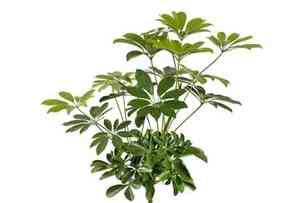
Heptapleurum arboricola (Heptapleurum arboricola)
Also known as: Umbrella Tree, Dwarf Umbrella Tree
The Heptapleurum arboricola, also known as Schefflera arboricola in its synonymous term or 鹅掌藤 (ézhǎng téng) in Chinese, which translates to 'goose-sole vine', is categorized under the Araliaceae family. It's a kind of flowering plant that originally comes from Hainan Province in China and Taiwan. Referred to commonly as the dwarf umbrella tree, it bears a remarkable similarity to a smaller version of the umbrella tree, known as Heptapleurum actinophyllum.
In This Article
Attributes of Heptapleurum arboricola
Lifespan
Heptapleurum arboricola is a perennial plant
Plant Height
Up to 1.5 meters
Spread
Up to 1.5 meters
Leaf Color
Green
Flower Size
Not applicable
Flower Color
Not applicable
Images of Heptapleurum arboricola
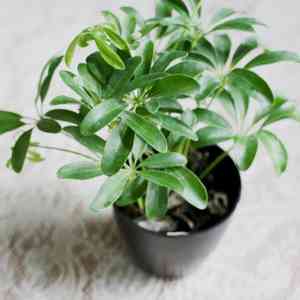
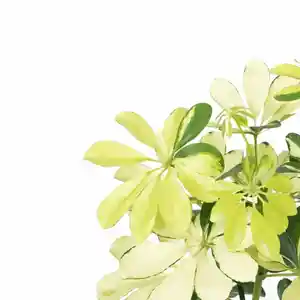
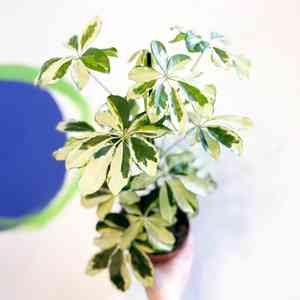
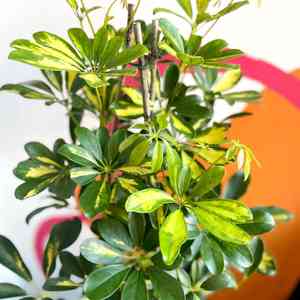
Quickly Identify Heptapleurum arboricola
1
It can be easily identified by its compound leaves that radiate from a central point, giving it an umbrella-like appearance hence its common name. Moreover, its stalk is woody with the lined leaf scars.
Scientific Classification of Heptapleurum arboricola
Phylum
Tracheophyta
Class
Magnoliopsida
Order
Apiales
Family
Araliaceae
Genus
Heptapleurum
Species
H. arboricola
Planting and Growing of Heptapleurum arboricola
Care Difficulty
Easy
Watering Schedule
Every 3 days
Sunlight Requirements
Partial sun
Sunshine Duration
6-10 hours
Ideal Temperature
65-75℉
Soil Type
Potting Mix, Peat Mix
Soil pH
6.5-7.5
Fertilizer Type
Balanced
Pruning Season
Spring, Summer
Pruning Area
Branches, Leaves
Pruning Frequency
2 times a year
Repotting Season
Spring
Pot Type
Plastic, Ceramic
 How to Water Heptapleurum arboricola?
For Heptapleurum arboricola, the ideal watering amount is approximately 500 ml per session, enough to moisten the soil thoroughly without causing water to pool around the plant. This plant appreciates evenly moist soil but dislikes being waterlogged; thus, it is vital to allow the top inch of the soil to dry out between waterings.
What are the symptoms of an underwatered Heptapleurum arboricola?
›
What should I do if my Heptapleurum arboricola is not getting enough water?
›
What are the symptoms of an overwatered Heptapleurum arboricola?
›
How to save an overwatered Heptapleurum arboricola?
›
 What Are the Sunlight Requirements for Heptapleurum arboricola?
Heptapleurum arboricola thrives in partial sun, benefiting from dappled or indirect light. Proper lighting encourages healthy growth, vibrant leaves, and prevents leggy or weak structure.
What is the best lighting setup for Heptapleurum arboricola?
›
How can you ensure Heptapleurum arboricola gets optimal light?
›
What benefits does ideal lighting provide to Heptapleurum arboricola?
›
 What Is the Ideal Temperature Range for Heptapleurum arboricola?
Heptapleurum arboricola thrives in moderate temperatures ranging from 65 to 75 degrees Fahrenheit. This range allows the plant to maintain optimal metabolic functions and ensure healthy growth. Consistent temperatures within this range can lead to vigorous growth and vibrant foliage colors.
 What Soil is Best for Heptapleurum arboricola?
Heptapleurum arboricola thrives in well-draining soil to prevent root rot. Adequate drainage ensures that the roots have enough oxygen and are not waterlogged, which is crucial for healthy plant growth and lush foliage. The plant prefers soil that can retain some moisture yet not become soggy. This balance helps in maintaining consistent hydration without the risk of waterlogging. It supports steady growth and vibrant leaves. Nutrient-rich soil boosts the plant's growth. A fertile substrate with organic matter provides essential nutrients that promote robust development, enhancing both appearance and health.
 How to Fertilize Heptapleurum arboricola?
For Heptapleurum arboricola, the right amount of fertilizer is critical. Typically, use a diluted liquid fertilizer, at half strength, to avoid overwhelming its roots. Approximately 1 teaspoon of liquid fertilizer per gallon of water is sufficient.
 How to Prune Heptapleurum arboricola?
Start by identifying the main stem and healthy branches, and ensure your pruning tools are sharp and clean. Focus on removing any dead or yellowing leaves to direct the plant's energy to healthier areas. Trim back any overly long stems just above a leaf node to encourage bushier growth. Regular shaping helps maintain a compact appearance, and thinning out dense areas will improve air circulation.
 How to Propagate Heptapleurum arboricola plant?
1
Choose a healthy, non-flowering stem of Heptapleurum arboricola, around 4-6 inches long. Ensure it's a fresh, green cutting to optimize rooting chances.
2
Remove the lower leaves, leaving a few at the top. Dip the end into rooting hormone to give the cutting the best chance to develop roots.
3
Place the cutting into a small pot filled with a moist potting mix. Firm the soil around the base of the cutting to provide support.
 How to Repot Heptapleurum arboricola plant?
1
Repot Heptapleurum arboricola when you notice roots poking through drainage holes or plant growth slows significantly. Spring and summer are ideal as active growth ensures quick recovery. Ensure the plant is healthy and not under stress from pests or diseases at the time of repotting.
2
Opt for a pot that is one or two sizes larger than the current one, with adequate drainage. A slightly bigger size prevents excessive water retention, reducing the risk of root rot. Choose materials like ceramic or plastic based on your watering habits and environmental conditions.
3
A well-draining mix, such as a peat-based potting soil with added perlite or sand, is ideal for Heptapleurum arboricola. This ensures efficient water flow and aeration, creating a healthy root environment. Avoid heavy, clay-rich soils that can lead to waterlogging.

