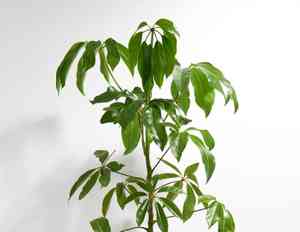
Heptapleurum actinophyllum (Heptapleurum actinophyllum)
Also known as: Umbrella Tree, Schefflera actinophylla
The tree known as Heptapleurum actinophyllum, previously classified as Schefflera actinophylla, belongs to the Araliaceae family. Its natural habitat lies within tropical rainforests and gallery forests located in the northern and north-eastern coastal regions of Queensland, the Northern Territory in Australia, New Guinea, and Java. It is commonly referred to as the Australian umbrella tree, Queensland umbrella tree, octopus tree, or amate.
In This Article
Attributes of Heptapleurum actinophyllum
Lifespan
Heptapleurum actinophyllum is a perennial plant
Plant Height
Up to 15 meters
Spread
Approximately 2-3 meters
Leaf Color
Glossy dark green
Flower Size
Approximately 0.3 cm
Flower Color
Red or maroon.
Images of Heptapleurum actinophyllum
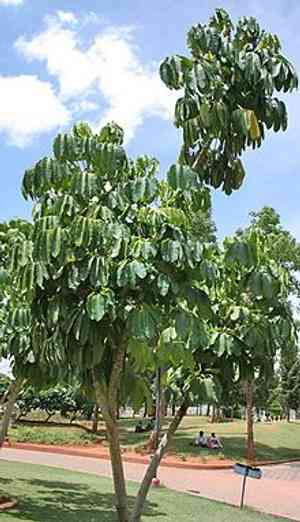
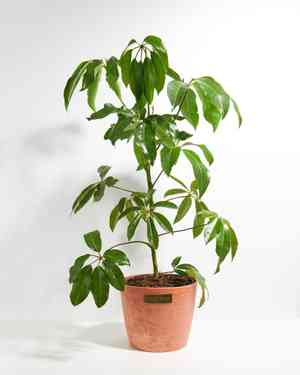
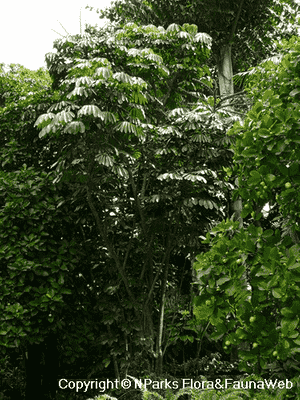
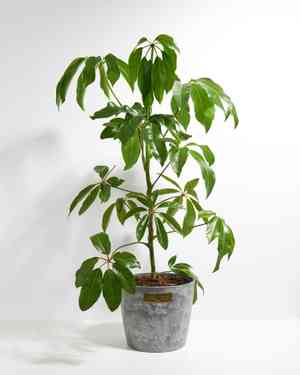
Quickly Identify Heptapleurum actinophyllum
1
To identify this plant, look for compound leaves with 7-16 leaflets arranged like spokes on an umbrella, glossy, dark green foliage, and a tall, woody stem. New leaves often have a reddish hue. Flowers are small, red to purple, and appear in clusters.
Scientific Classification of Heptapleurum actinophyllum
Phylum
Magnoliophyta
Class
Magnoliopsida
Order
Apiales
Family
Araliaceae
Genus
Heptapleurum
Species
H. actinophyllum
Planting and Growing of Heptapleurum actinophyllum
Care Difficulty
Easy
Watering Schedule
Every 2 days
Sunlight Requirements
Partial sun
Sunshine Duration
4-8 hours
Ideal Temperature
65-75℉
Soil Type
Potting Mix, Peat Mix
Soil pH
6.5-7.5
Fertilizer Type
Balanced
Pruning Season
Spring, Summer
Pruning Area
Branches, Leaves
Pruning Frequency
2 times a year
Repotting Season
Spring
Pot Type
Plastic, Ceramic
 How to Water Heptapleurum actinophyllum?
The watering should be thorough enough that water drains out of the bottom of the pot. This indicates the soil has absorbed as much as it can without being waterlogged, promoting healthy root growth. It's vital not to let the plant sit in standing water to prevent root rot.
What are the symptoms of an underwatered Heptapleurum actinophyllum?
›
What should I do if my Heptapleurum actinophyllum is not getting enough water?
›
What are the symptoms of an overwatered Heptapleurum actinophyllum?
›
How to save an overwatered Heptapleurum actinophyllum?
›
 What Are the Sunlight Requirements for Heptapleurum actinophyllum?
Partial sun exposure, receiving about 3 to 6 hours daily, benefits the plant by supporting healthy growth, vibrant foliage, and resilience against pests and environmental stress.
What is the best location for Heptapleurum actinophyllum?
›
How can I simulate the ideal light conditions indoors?
›
What benefits come from ideal light exposure?
›
 What Is the Ideal Temperature Range for Heptapleurum actinophyllum?
Heptapleurum actinophyllum thrives in temperatures ranging from 65°F to 75°F. These temperatures mimic the plant's natural tropical environment, providing the warmth and humidity it needs to grow foliage that is lush and vibrant. Maintaining this temperature range indoors is crucial, as it ensures the plant's metabolic processes function optimally and supports steady growth.
 What Soil is Best for Heptapleurum actinophyllum?
Ensures excess water drains quickly, preventing root rot. Heptapleurum actinophyllum thrives when roots can access moisture without sitting in waterlogged conditions. Soil enriched with organic matter or compost supports lush foliage and vigorous growth. A fertile environment provides essential nutrients for photosynthesis and plant vitality. Loose soil structure facilitates air exchange and root respiration, critical for healthy plant development. Aerated conditions help roots absorb nutrients effectively.
 How to Fertilize Heptapleurum actinophyllum?
Heptapleurum actinophyllum, commonly known as the umbrella tree, requires a balanced application of fertilizer. For liquid fertilizers, apply at a concentration of one tablespoon per gallon of water during the growing season. Solid fertilizers, such as slow-release pellets, should be used sparingly, with about 20 grams per plant every 4 months, ensuring not to overfeed.
 How to Prune Heptapleurum actinophyllum?
To effectively prune a Heptapleurum actinophyllum, start by cleaning your tools to prevent the spread of disease. Identify stems that are overgrown or unsightly. Using sharp, clean shears, make clean cuts just above a leaf node, which encourages new growth. Remember to remove any dead or damaged leaves as well.
 How to Propagate Heptapleurum actinophyllum plant?
1
Choose a healthy parent plant free from pests and diseases. This ensures that the cuttings or seeds taken from it have a high chance of successful propagation.
2
Cut a 4-6 inch healthy stem just below a node using sterilized pruning shears. Remove all the leaves from the lower half to reduce moisture loss.
3
Dip the cut end into rooting hormone and plant it in a container with a well-draining potting mix. Press the soil gently around the cutting to ensure stability.
 How to Repot Heptapleurum actinophyllum plant?
1
Heptapleurum actinophyllum shows signs of needing repotting when roots start growing through the drainage holes or the plant becomes top-heavy and starts to tip over a lot. Additionally, if the growth seems slower than usual, it might be time for new, nutrient-rich soil.
2
Select a pot that is 1-2 inches larger in diameter than the current one to allow room for growth. It should also have good drainage holes to prevent waterlogging. This ensures the roots have enough space and reduce the risk of root rot by allowing excess water to escape.
3
Use a well-draining potting mix that retains some moisture but doesn't stay soggy. A mix containing peat and perlite or vermiculite works well. This type of soil supports healthy root development while preventing common issues like overwatering.
Toxicity
Ingestion
WARNING
The judgment on toxicity and danger is for reference only. We DO NOT GUARANTEE any accuracy of such judgment. Therefore, you SHALL NOT rely on such judgment. It is IMPORTANT TO SEEK PROFESSIONAL ADVICE in advance when necessary.
Learn More About Heptapleurum actinophyllum Diseases
Anthracnose
Bacterial Leaf Spot
Bacterial Soft Rot
Bacterial Wilt
Chemical Injury
Crown Gall
Damping-off
Downy Mildew
Drought Stress
Fusarium Wilt
Gray Mold
Leaf Spot
Mosaic
Nutrient Deficiency
Nutrient Toxicity
Powdery Mildew
Root Rot
Root-knot Nematode
Sooty Mold
Spider Mites
Temperature Stress
Thrips Damage
White Mold

