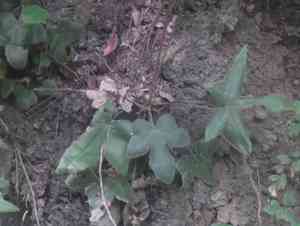
Hemionitis (Hemionitis) (Hemionitis)
Also known as: Heart Fern
Hemionitis is a genus of ferns in the family Pteridaceae. They are primarily known for their striking leaf shapes, which often resemble small hearts, and are commonly grown as ornamental plants due to their unique appearance.
In This Article
Attributes of Hemionitis (Hemionitis)
Lifespan
Perennial
Plant Height
10-20 cm
Spread
15-30 cm
Leaf Color
Green
Flower Size
N/A - Hemionitis does not produce flowers.
Flower Color
N/A - Hemionitis does not produce flowers.
Images of Hemionitis (Hemionitis)
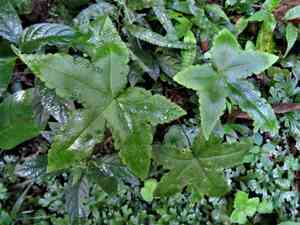
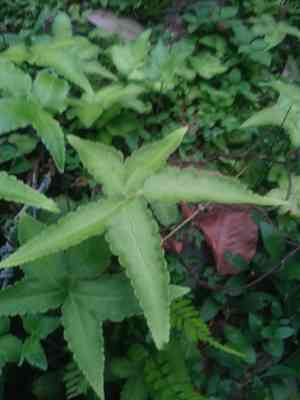
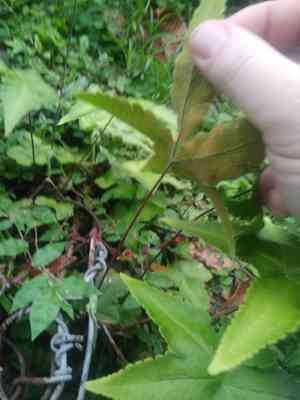
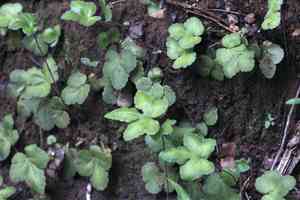
Quickly Identify Hemionitis (Hemionitis)
1
Hemionitis is identified by its distinctive heart-shaped fronds, which are leathery and robust. The fronds are typically green and have a shiny surface. Look for sporangia on the underside of the leaves arranged in small clusters.
Scientific Classification of Hemionitis (Hemionitis)
Phylum
Pteridophyta
Class
Polypodiopsida
Order
Polypodiales
Family
Pteridaceae
Genus
Hemionitis
Planting and Growing of Hemionitis (Hemionitis)
Care Difficulty
Moderate
Watering Schedule
Every 2 days
Sunlight Requirements
Partial sun
Sunshine Duration
4-8 hours
Ideal Temperature
65-75℉
Soil Type
Potting Mix, Peat Mix
Soil pH
6.5-7.5
Fertilizer Type
Balanced
Pruning Season
Spring, Summer
Pruning Area
Branches, Leaves
Pruning Frequency
2 times a year
Repotting Season
Spring
Pot Type
Plastic, Ceramic
 How to Water Hemionitis (Hemionitis)?
When watering Hemionitis, aim for approximately 250 ml each time, ensuring the soil is evenly moist but not waterlogged. To achieve this, water the plant until you see a slight runoff at the base, then allow any excess to drain away. This helps maintain adequate moisture without drowning the roots.
What are the symptoms of an underwatered Hemionitis (Hemionitis)?
›
What should I do if my Hemionitis (Hemionitis) is not getting enough water?
›
What are the symptoms of an overwatered Hemionitis (Hemionitis)?
›
How to save an overwatered Hemionitis (Hemionitis)?
›
 What Are the Sunlight Requirements for Hemionitis (Hemionitis)?
Partial shade conditions are ideal for Hemionitis, enabling balanced energy absorption while minimizing stress risks. Consistent indirect exposure maintains vibrant coloration and robust health.
What lighting does Hemionitis prefer?
›
How can I provide the ideal lighting?
›
What are the benefits of ideal lighting for Hemionitis?
›
 What Is the Ideal Temperature Range for Hemionitis (Hemionitis)?
The ideal temperature range for Hemionitis is between 65°F and 75°F. This range ensures optimal photosynthesis and respiration, facilitating healthy growth and development. Hemionitis thrives best in consistent warmth, mimicking its native tropical habitats.
 What Soil is Best for Hemionitis (Hemionitis)?
Hemionitis requires well-drained soil to prevent root rot, a common issue in ferns. This ensures that excess water doesn't suffocate the roots, promoting healthy growth and preventing fungal infections. While preferring well-drained soil, Hemionitis also thrives in conditions where the soil retains some moisture. This helps in maintaining the hydration levels essential for the plant's cellular functions and maintains its characteristic lush appearance. The presence of organic matter in the soil boosts its fertility, providing essential nutrients that support Hemionitis in developing its delicate foliage and promoting overall plant vigor and resilience.
 How to Fertilize Hemionitis (Hemionitis)?
When fertilizing Hemionitis, ensuring the right amount is crucial. Use a diluted liquid fertilizer at half the recommended strength to avoid overwhelming the plant. Each application, ensure the fertilizer is thoroughly mixed with water to prevent root burn. A small plant requires no more than a quarter cup per feeding, while larger specimens can handle up to half a cup.
 How to Prune Hemionitis (Hemionitis)?
Begin by inspecting the plant for any leaves that are dead or have brown spots. These leaves are no longer functioning efficiently and should be removed to improve overall plant health. When removing leaves, cut them at the base near the soil. This helps reduce the risk of disease and allows new growth to flourish without obstruction. Hemionitis ferns naturally have a distinctive shape; keep this in mind while pruning to ensure your plant remains aesthetically pleasing while allowing ample room for new leaves.
 How to Propagate Hemionitis (Hemionitis) plant?
1
Start by choosing a well-draining potting mix. This ensures excess water does not lead to root rot and provides the growing seeds or divisions the necessary aeration for healthy root development.
2
Sprinkle Hemionitis seeds on the surface of the soil mix and cover them lightly with a thin layer of soil. They require light to germinate, so avoid burying the seeds too deep.
3
Carefully dig up a mature plant and separate it into smaller clumps. Ensure each clump has a healthy root system, as this will determine the success of the division propagation.
 How to Repot Hemionitis (Hemionitis) plant?
1
You should consider repotting Hemionitis when you notice roots growing out of the bottom of the pot or when the plant appears to be outgrowing its current container. Additionally, if you observe that the plant's growth has slowed significantly or the soil dries out faster than usual, it's time for a fresh start.
2
Select a pot with adequate drainage holes to prevent waterlogging. Opt for a container that is only slightly larger than the current one to avoid overwhelming the plant with excessive space. This encourages healthy root growth and stability, promoting more vibrant foliage.
3
Use a well-draining soil mix to allow excess water to flow through easily, preventing root rot. A blend containing peat moss, perlite, and bark provides adequate aeration and nutrients. This combination helps maintain perfect moisture levels and promotes robust plant health.

