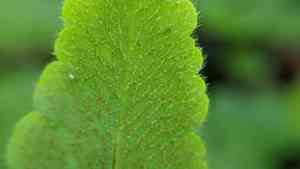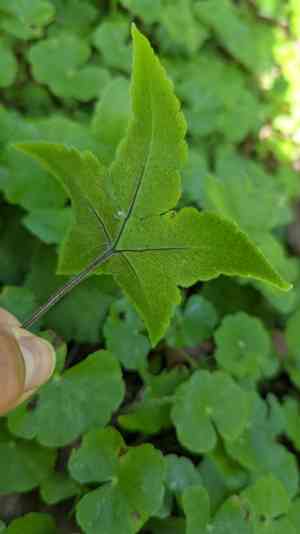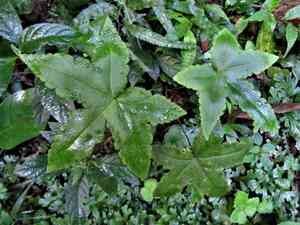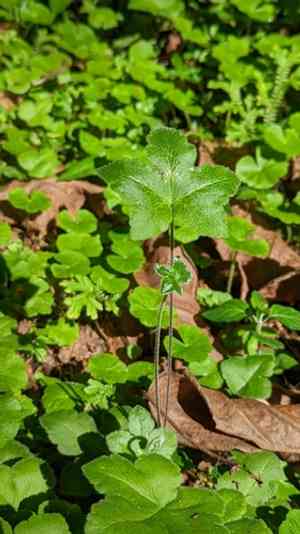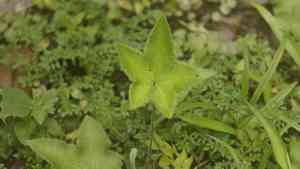
Star fern(Hemionitis palmata)

Star fern (Hemionitis palmata)

Also known as: Heart Fern, Heart-leaf Fern

The star fern stands out in the ornamental plant world due to its striking star-shaped fronds and lush, green foliage. Here are some of its key characteristics and benefits:

1. **Distinct Leaf Shape**: The star fern is recognized for its uniquely shaped fronds that resemble stars, adding a touch of elegance and intrigue to any space.
2. **Lush Green Color**: Its vibrant green leaves create a refreshing and lively ambiance, making it a perfect addition to indoor and outdoor settings.
3. **Adaptability**: Thrives in low light conditions and prefers environments with high humidity, similar to its natural understory habitat.
4. **Air Quality Improvement**: Helps purify indoor air by filtering out toxins, contributing to a healthier living environment.
5. **Low Maintenance**: Requires minimal care, making it an ideal choice for both experienced and novice gardeners.

These attributes make the star fern highly desirable for those looking to enhance their living spaces with a touch of natural beauty and elegance.

Attributes of Star fern

Lifespan
Perennial
Plant Type
Fern
Plant Height
10-30 cm
Spread
15-20 cm
Leaf Color
Dark green
Flower Size
Not applicable (ferns do not produce flowers)
Flower Color
Not applicable (ferns do not produce flowers)

ForwardPlant - Identify plants with a snap

Identify and diagnose plants, get toxicity alerts, and explore safety guides for all types of fungi.

Try for Free

Images of Star fern

Star fern(Hemionitis palmata)

Quickly Identify Star fern

1
Identify Hemionitis palmata by its distinct, glossy, heart-shaped leaves with deep lobes and long petioles. The leaves are generally dark green and the plant prefers a humid environment.

Scientific Classification of Star fern

Phylum
Vascular plants
Class
Ferns
Order
Polypodiales
Family
Brake
Genus
Hemionitis
Species
Star fern

Planting and Growing of Star fern

Care Difficulty
Moderate
Watering Schedule
Every 3 days
Sunlight Requirements
Partial sun
Sunshine Duration
4-10 hours
Ideal Temperature
65-75℉
Soil Type
Potting Mix, Peat Mix
Soil pH
6.5-7.5
Fertilizer Type
Balanced
Pruning Season
Spring, Summer
Pruning Area
Branches, Leaves
Pruning Frequency
2 times a year
Repotting Season
Spring
Pot Type
Plastic, Terracotta

water icon How to Water Star fern?

Hemionitis palmata requires moderate watering. You should aim to keep the soil moist but not soaked. Generally, a good rule of thumb is to water until you see a little water coming out of the drainage holes. This usually translates to about 200 ml of water per session.
What are the symptoms of an underwatered Star fern?
What should I do if my Star fern is not getting enough water?
What are the symptoms of an overwatered Star fern?
How to save an overwatered Star fern?

sunlight icon What Are the Sunlight Requirements for Star fern?

Sunlight Requirements: Partial sun, Full shade
Duration of light: 3-6 hours daily
Partial sun allows Hemionitis palmata to thrive in conditions mimicking its natural habitat. Ideal lighting maximizes photosynthesis, enhances color, and boosts growth, ensuring a robust, healthy plant.
What is the best location for ideal light?
How can I create the ideal lighting environment indoors?
What benefits does ideal lighting offer Hemionitis palmata?

temperature icon What Is the Ideal Temperature Range for Star fern?

Ideal Temperature: 65 ~ 75℉
For optimal growth, Hemionitis palmata thrives in a warm, humid environment with temperatures ranging between 65°F and 75°F. This range supports robust foliage development and overall plant health. Maintaining an environment within this temperature range minimizes stress and allows for continuous growth and reproduction.

soil icon What Soil is Best for Star fern?

Soil type: Loam, Sandy loam
Soil PH: 6.5 ~ 7.5
Hemionitis palmata thrives in well-draining soil, allowing excess water to escape quickly, preventing root rot and ensuring lots of air for healthy growth. It is especially beneficial for avoiding the damaging effects of waterlogged conditions. This plant benefits greatly from soil rich in organic matter, which provides essential nutrients, improves soil structure, and enhances moisture retention without risking water accumulation. The plant appreciates moderately fertile soil that supplies just enough nutrients, fostering steady growth without the risk of excessive leaf development at the expense of other growth factors.

fertilize icon How to Fertilize Star fern?

Fertilizer type: Balanced
The ideal amount of fertilizer for Hemionitis palmata is moderate. You should provide a diluted liquid fertilizer at half strength to avoid overwhelming the roots. For solid fertilizers, use a balanced slow-release pellet, strictly following package instructions. This regular nourishment aids in sustaining the plant's delicate leaves and overall health.

prune icon How to Prune Star fern?

Pruning Time: Spring, Summer, Autumn
Begin by identifying dead or damaged fronds, which are typically brown or yellow. Use a pair of clean, sharp scissors or pruning shears. Cut at the base of the frond stem, ensuring you do not damage the main plant or the surrounding healthy fronds. This encourages fresh growth and helps maintain the plant's aesthetic appeal. While focusing on healthy fronds, ensure you trim any that are overcrowding the plant. Hemionitis palmata often thrives with space to breathe, so thinning out denser areas can improve overall air circulation. Trim sparingly, though, to maintain the natural beauty and balance of the plant. More About Pruning Techniques

propagate icon How to Propagate Star fern plant?

Propagate Time: Spring, Early summer
1
Begin by collecting mature spores from the underside of the fronds. Allow spores to dry slightly before sowing them in a propagation tray filled with the sterile potting mix.
2
Sprinkle the dried spores evenly over the surface of the pre-moistened potting mix. Do not cover them with soil, but instead mist lightly to settle the spores. Maintain high humidity and warm temperatures to encourage germination.
3
Once seedlings have developed a few leaves and a stable root system, carefully transplant them into individual pots. Use a similar sterile and well-draining potting mix. Handle with care to avoid damaging the delicate roots.
More About Propagating Techniques

repot icon How to Repot Star fern plant?

Repotting frequency: Every 2-3 years
1
Hemionitis palmata, also known as the Heart Fern, signals its need for repotting when roots become visible on the soil surface or emerge from drainage holes. Repotting is ideal during the growing season, particularly in spring or summer, when the plant is actively extending its roots. Look for signs such as slowed growth or water not penetrating the soil well, as these are indicators that the plant is constrained and needs a new home.
2
Selecting the right pot for Hemionitis palmata involves ensuring it provides sufficient drainage, size, and material. Opt for a pot that's 1-2 inches larger in diameter than its current container to allow room for growth, but not too large, which can lead to water retention. A pot with drainage holes is crucial to prevent root rot, while materials like terracotta can help wick moisture away, reducing water-logging hazards.
3
For Hemionitis palmata, choosing an appropriate soil is key to maintaining its health. A loamy, well-draining soil mix, enriched with organic matter, is ideal. It supports the plant’s preference for moist, yet airy conditions, replicating its natural habitat. Amendments like perlite or bark can enhance drainage while maintaining essential moisture, which helps support robust growth.

ForwardPlant - Identify plants with a snap

Find the best spots for them to optimize their health, simply using your phone.

Try for Free