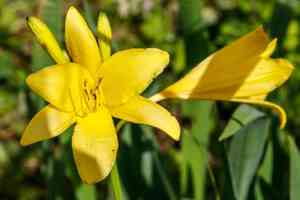
Yellow daylily (Hemerocallis lilioasphodelus)
Also known as: Lemon lily, Lemon daylily
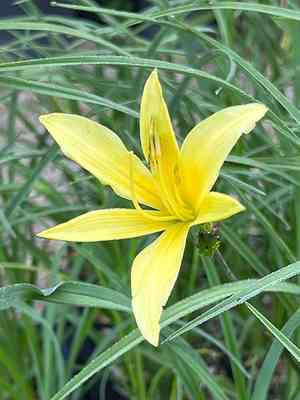
Hemerocallis lilioasphodelus, also known as the lemon daylily, is a perennial herb cherished for its fragrant yellow flowers. It is frequently planted in borders, mass plantings, and as a ground cover. With its dense, semi-evergreen foliage and early blooming period, it is a favorite among gardeners. This resilient plant is low-maintenance and adaptable, thriving in various soil conditions and adding a splash of color to gardens.
Attributes of Yellow daylily
Images of Yellow daylily
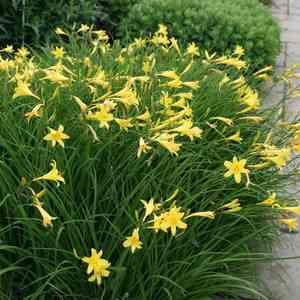
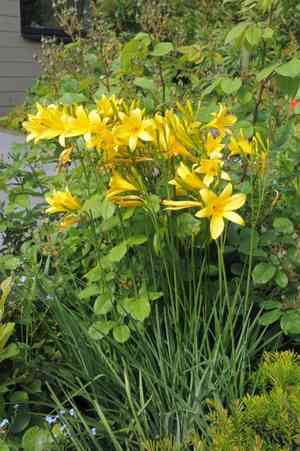
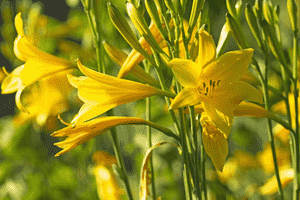
Quickly Identify Yellow daylily
Scientific Classification of Yellow daylily
Planting and Growing of Yellow daylily
 How to Water Yellow daylily?
 What Are the Sunlight Requirements for Yellow daylily?
 What Is the Ideal Temperature Range for Yellow daylily?
 What Soil is Best for Yellow daylily?
 How to Fertilize Yellow daylily?
 How to Prune Yellow daylily?
 How to Propagate Yellow daylily plant?
 How to Repot Yellow daylily plant?
Toxicity of Yellow daylily
Is Yellow daylily toxic to cat?
The yellow daylily carries an inherent level of toxicity that poses a risk to cats if ingested accidentally. This plant's flowers are recognized for their toxic properties, and consumption by a cat can result in physical distress consistent with poisoning. Therefore, it is crucial for cat owners to remain vigilant and to keep their feline friends away from the yellow daylily to mitigate the chances of ingestion. The symptoms of distress following a poisoning incident can differ among cats, and any signs of illness should be treated with utmost seriousness. Timely treatment at a veterinary clinic is vital to effectively manage the health of cats following potential exposure to the toxic components of the yellow daylily.
Is Yellow daylily toxic to dog?
The yellow daylily is recognized as harmful to dogs. If dogs ingest this plant, especially its flowers, they may suffer from poisoning due to its toxicity. Ingesting any parts of the yellow daylily can lead to symptoms in dogs such as vomiting, lethargy, or more serious health issues depending on the quantity consumed. It is vital for dog owners to keep a watchful eye on their pets and restrict their access to yellow daylilies. Should a dog consume any portion of this plant, it is imperative to seek immediate veterinary intervention to address any risks of poisoning.



