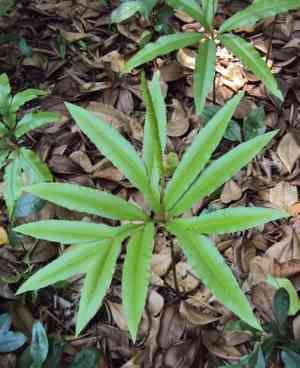
Indian flowering fern (Helminthostachys zeylanica)
Also known as: Flowering fern
The Indian flowering fern is cultivated commercially for its popularity in ornamental gardening. It's important to handle this plant with care due to the presence of carcinogenic compounds in many ferns. The term "Zeylanica" in its Latin name signifies its origin from Sri Lanka.
In This Article
Attributes of Indian flowering fern
Lifespan
Annual
Plant Type
Herb
Plant Height
15 cm to 40 cm
Spread
Not applicable (single frond structure)
Leaf Color
Green
Flower Size
Not applicable (produces spores instead of flowers)
Flower Color
Yellow Green
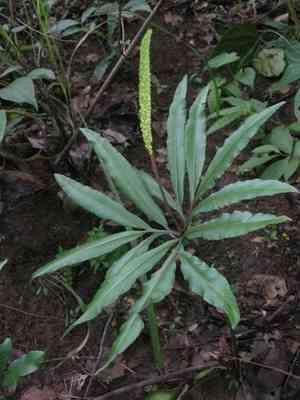
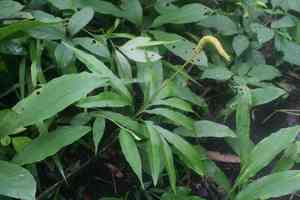
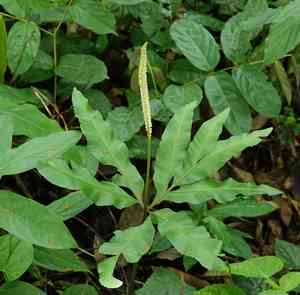
Images of Indian flowering fern
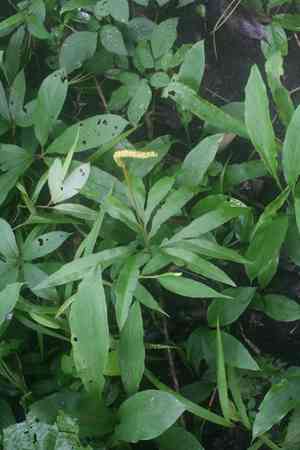
Quickly Identify Indian flowering fern
1
Helminthostachys zeylanica can be identified by its unique single frond structure with a fertile spike at the base and spores that are released from sporangia on the spike. The frond is typically pinnatifid with a broad, undivided lamina.
Scientific Classification of Indian flowering fern
Phylum
Vascular plants
Class
Psilotopsida
Order
Ophioglossales
Family
Adder's-tongue
Genus
Helminthostachys
Species
Indian flowering fern
Planting and Growing of Indian flowering fern
Care Difficulty
Hard
Watering Schedule
Every 2 days
Sunlight Requirements
Partial sun
Sunshine Duration
4-8 hours
Ideal Temperature
75-85℉
Soil Type
Potting Mix, Peat Mix
Soil pH
6.5-7.5
Fertilizer Type
Balanced
Pruning Season
Spring, Summer
Pruning Area
Branches, Leaves
Pruning Frequency
2 times a year
Repotting Season
Spring
Pot Type
Plastic, Ceramic
 How to Water Indian flowering fern?
Helminthostachys zeylanica prefers to have its soil consistently moist but not soggy. When watering, ensure the soil absorbs the water evenly. Aim for about 500 milliliters, as you want the water to penetrate deep into the soil without pooling on the surface. This ensures the roots are adequately hydrated while preventing water accumulation that might lead to root rot.
What are the symptoms of an underwatered Indian flowering fern?
›
What should I do if my Indian flowering fern is not getting enough water?
›
What are the symptoms of an overwatered Indian flowering fern?
›
How to save an overwatered Indian flowering fern?
›
 What Are the Sunlight Requirements for Indian flowering fern?
Partial sun to full shade is ideal, as it balances energy needs and minimizes stress. This range supports healthy photosynthesis and prevents leaf damage.
How much light does Helminthostachys zeylanica need?
›
How can I provide ideal lighting?
›
What benefits come from ideal light conditions?
›
 What Is the Ideal Temperature Range for Indian flowering fern?
The ideal temperature range for Helminthostachys zeylanica cultivation is between 75°F and 85°F. This range provides optimal growing conditions, ensuring the plant receives adequate warmth for its growth processes. Maintaining this temperature ensures proper enzymatic activity, photosynthesis, and nutrient absorption, which are critical for the plant’s health and growth. Keeping the plant within this range helps to prevent stress and promotes vigorous growth.
 What Soil is Best for Indian flowering fern?
Helminthostachys zeylanica thrives in well-drained soil that prevents waterlogging. Adequate drainage ensures roots receive necessary air exchange and prevents root rot, allowing for healthy plant development. The plant flourishes in nutrient-rich soil, which provides essential minerals and organic matter for robust growth. This nutrient abundance supports vigorous foliage and strong stem development. Although well-drained, the soil should maintain adequate moisture levels. Retentive soil aids in consistent water availability, crucial for the plant's photosynthetic processes and overall vitality.
 How to Fertilize Indian flowering fern?
Helminthostachys zeylanica requires a balanced approach to fertilization. Use a dilute mix for liquid fertilizers, approximately one-quarter of the recommended strength to avoid overfeeding. For slow-release fertilizers, use about 50 grams per application, ensuring even distribution around the base.
 How to Prune Indian flowering fern?
Familiarize yourself with the plant's frond-like structure. Helminthostachys zeylanica has a unique appearance; ensure you can identify old growth from new shoots before you start pruning. Use sterilized scissors or pruning shears. Clean tools prevent the spread of disease and ensure precise cuts, minimizing stress on the plant. Start by removing any dead or damaged fronds. Trim back to the nearest healthy node. Avoid cutting too close to the main stem; leave about a quarter-inch to promote quick healing. Water thoroughly after pruning to help the plant recover. Apply a balanced fertilizer to encourage new growth and replenish nutrients lost during the pruning process.
More About Pruning Techniques→
 How to Propagate Indian flowering fern plant?
1
Gather fresh seeds at the end of the flowering season. Select seeds that are fully matured and dry for better germination likelihood. Store them in a cool, dry place until ready for sowing.
2
Sow the seeds in a seedling tray filled with a well-draining soil mix. Lightly cover the seeds with soil, ensuring they are not buried too deep. Keep the soil consistently moist but not waterlogged.
3
Carefully dig up the plant and separate the rhizomes or root clumps with a sterile knife. Ensure each division has a portion of the root system and at least one growing point or stem.
 How to Repot Indian flowering fern plant?
1
Helminthostachys zeylanica needs repotting when it displays visible roots or limited growth. Ideal timing is early spring or summer, allowing the plant to acclimate during its active growth phase.
2
Selecting the right pot is crucial for the prosperous growth of Helminthostachys zeylanica. Aim for a container slightly larger than the root ball, with adequate drainage holes. Proper drainage prevents root rot and ensures a healthy environment for root expansion.
3
Opt for a well-draining loamy soil that retains enough moisture yet drains efficiently. This balance prevents waterlogging while keeping the roots adequately hydrated, enhancing the plant's overall nutrition uptake and growth.
Learn More About Indian flowering fern Diseases
Anthracnose
Bacterial Leaf Spot
Bacterial Soft Rot
Bacterial Wilt
Chemical Injury
Crown Gall
Cyst Nematode
Damping-off
Downy Mildew
Drought Stress
Fusarium Wilt
Gray Mold
Leaf Spot
Mosaic
Nutrient Deficiency
Nutrient Toxicity
Powdery Mildew
Root Rot
Root-knot Nematode
Rusts
Sooty Mold
Spider Mites
Temperature Stress
Thrips Damage
White Mold



