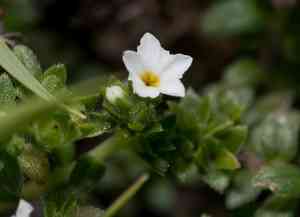
Heliotropium formosanum (Heliotropium formosanum)
Also known as: Formosan heliotrope
Heliotropium formosanum is a resilient shrub distinctive for its coiling inflorescences, which resemble the spirals of a shell. Its broad, ovate leaves and small, funnel-shaped white flowers thrive in sunny environments. As a hardy species, heliotropium formosanum stands out with its ability to adapt to rocky, well-drained soils, making it a versatile fixture in diverse landscapes.
In This Article
Attributes of Heliotropium formosanum
Lifespan
Perennial
Plant Type
Herb
Plant Height
5 to 20 cm
Spread
10 to 30 cm
Leaf Color
Green
Flower Size
0.5 to 1 cm
Flower Color
White to pale pink
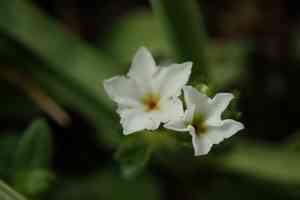
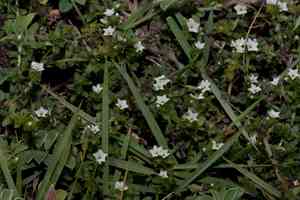
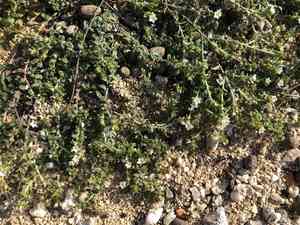
Images of Heliotropium formosanum
Quickly Identify Heliotropium formosanum
1
The plant can be identified by its small white to pale pink flowers that are arranged in coiled, scorpioid inflorescences. The leaves are lanceolate, hairy, and alternate along the stem. The plant tends to grow low to the ground, forming a sprawling mat.
Scientific Classification of Heliotropium formosanum
Phylum
Vascular plants
Class
Dicotyledons
Order
Boraginales
Family
Heliotropiaceae
Genus
Heliotropes
Species
Heliotropium formosanum
Planting and Growing of Heliotropium formosanum
Care Difficulty
Moderate
Watering Schedule
Every 2 days
Sunlight Requirements
Partial sun
Sunshine Duration
6-10 hours
Ideal Temperature
68-77℉
Soil Type
Potting Mix, Peat Mix
Soil pH
6.5-7.5
Fertilizer Type
Balanced
Pruning Season
Spring, Summer
Pruning Area
Branches, Leaves
Pruning Frequency
2 times a year
Repotting Season
Spring
Pot Type
Plastic, Ceramic
 How to Water Heliotropium formosanum?
For Heliotropium formosanum, ensure you water thoroughly but not excessively. Aim for around 250 ml per watering session, ensuring that the soil is moist but not waterlogged. This plant prefers the soil to dry out slightly between waterings.
What are the symptoms of an underwatered Heliotropium formosanum?
›
What should I do if my Heliotropium formosanum is not getting enough water?
›
What are the symptoms of an overwatered Heliotropium formosanum?
›
How to save an overwatered Heliotropium formosanum?
›
 What Are the Sunlight Requirements for Heliotropium formosanum?
Partial to full sun is the ideal light range for Heliotropium formosanum. This range offers the benefits of promoting vibrant growth and sustained blooming, providing enough energy for daily photosynthetic processes without risk of overexposure.
How much sunlight does Heliotropium formosanum need?
›
What's the ideal location for planting?
›
What benefits does ideal light exposure provide?
›
 What Is the Ideal Temperature Range for Heliotropium formosanum?
For optimal growth, Heliotropium formosanum thrives best within a temperature range of 68 to 77 degrees Fahrenheit. This range ensures that the plant's metabolic processes run efficiently, promoting healthy development. Staying within this range also guarantees that the plant can maximize photosynthesis and nutrient uptake, leading to vibrant foliage and robust blooms.
 What Soil is Best for Heliotropium formosanum?
Heliotropium formosanum thrives in well-drained soils that prevent waterlogging. This requirement helps prevent root rot and promotes healthy root development, ensuring the plant can absorb nutrients efficiently. A nutrient-rich medium is essential for Heliotropium formosanum. This soil offers adequate minerals and nutrients, fostering lush foliage and vibrant flowering, ultimately leading to a strong and healthy plant. The soil should have a balance of moisture retention to keep the plant hydrated without causing stagnation. This facilitates sustained growth and prevents stress during dry spells, maintaining overall plant vigor.
 How to Fertilize Heliotropium formosanum?
For Heliotropium formosanum, it is essential to strike a balance in fertilizing to ensure proper growth. Start with a diluted 10-10-10 liquid fertilizer every couple of weeks during the growing season. For every gallon of water, mix in about a tablespoon of the fertilizer to ensure you're providing enough nutrients without overwhelming the plant.
 How to Prune Heliotropium formosanum?
Begin by identifying the older, woodier parts of the plant that show signs of diminished vitality. Use sharp, clean tools to remove these sections, which will encourage new growth and improve overall plant health. Heliotropium formosanum benefits from occasional shaping to maintain a compact form. Trim back excessively long branches to encourage a denser and more aesthetically pleasing appearance. Prune fading flowers and seed heads regularly. This process, known as deadheading, directs the plant's energy into developing new buds, thereby extending the blooming period.
More About Pruning Techniques→
 How to Propagate Heliotropium formosanum plant?
1
Harvest ripe seeds from the plant by gently shaking the seed heads over a paper or cloth to catch them. Clear all debris and store seeds in a cool, dry place until ready to plant.
2
Select healthy stems from the parent plant and cut them at a node with your sterile shears. Remove any flowers or buds to help the stem focus on root development.
3
Gently dig up the plant and separate the root clumps by hand, ensuring each division has enough roots and shoots. Replant them promptly in well-drained soil.
 How to Repot Heliotropium formosanum plant?
1
Heliotropium formosanum typically needs repotting when you notice roots growing out of the drainage holes, or the soil seems compacted and doesn't retain moisture. Ideally, repot when growth resumes in spring or summer, ensuring the plant can establish in its new pot before the cooler months.
2
Select a pot with drainage holes that is 1-2 inches larger in diameter than the current one. A slightly larger pot prevents excess soil that can retain moisture and lead to root rot, while providing ample space for root development.
3
Opt for a well-draining sandy soil that mimics Heliotropium formosanum's natural environment, enabling proper aeration and preventing water logging. This ensures the plant thrives by avoiding overwatering and promoting healthy root growth.
Toxicity
Ingestion
WARNING
The judgment on toxicity and danger is for reference only. We DO NOT GUARANTEE any accuracy of such judgment. Therefore, you SHALL NOT rely on such judgment. It is IMPORTANT TO SEEK PROFESSIONAL ADVICE in advance when necessary.
Learn More About Heliotropium formosanum Diseases
Anthracnose
Bacterial Leaf Spot
Bacterial Wilt
Crown Gall
Cyst Nematode
Damping-off
Downy Mildew
Drought Stress
Fusarium Wilt
Gray Mold
Leaf Curl
Leaf Spot
Mosaic
Nutrient Deficiency
Nutrient Toxicity
Powdery Mildew
Root Rot
Root-knot Nematode
Rusts
Sooty Mold
Spider Mites
Temperature Stress
Thrips Damage
White Mold



