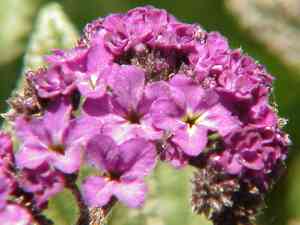
Heliotrope (Heliotropium arborescens)
Also known as: Common peruvian cherry pie, Peruvian heliotrope
Heliotrope (*Heliotropium arborescens*) is a flowering shrub indigenous to Peru, known for its clusters of flowers that emit a fragrance reminiscent of vanilla. Despite its pleasant aroma, the seeds are toxic and should not be ingested. Although the plant has an unpleasant taste, accidental consumption, particularly by livestock such as horses, can lead to severe health issues.
Attributes of Heliotrope
Images of Heliotrope
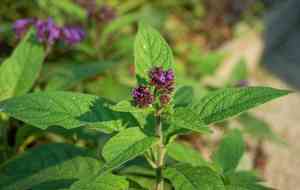
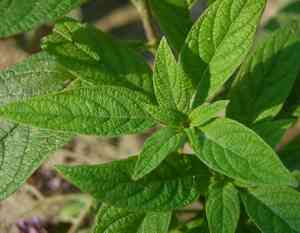
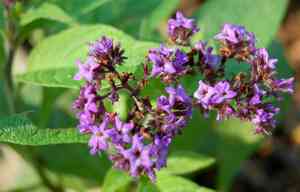
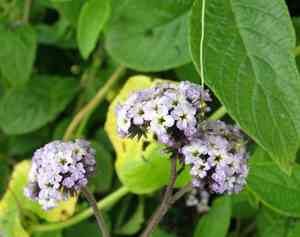
Quickly Identify Heliotrope
Scientific Classification of Heliotrope
Planting and Growing of Heliotrope
 How to Water Heliotrope?
 What Are the Sunlight Requirements for Heliotrope?
 What Is the Ideal Temperature Range for Heliotrope?
 What Soil is Best for Heliotrope?
 How to Fertilize Heliotrope?
 How to Prune Heliotrope?
 How to Propagate Heliotrope plant?
 How to Repot Heliotrope plant?
Toxicity of Heliotrope
Is Heliotrope toxic to humans?
Heliotrope exhibits a mild degree of toxicity for humans, with the possibility of poisoning via ingestion. Every part of the plant, including its leaves, stems, and blossoms, contains toxic alkaloids that can be detrimental if consumed. The ingestion of these alkaloids may result in various symptoms, such as gastrointestinal issues like nausea, vomiting, and diarrhea. Furthermore, individuals could encounter neurological effects, including lethargy, confusion, and ataxia. Thus, it is crucial to exercise caution and avoid accidental ingestion of heliotrope, particularly by children and pets who may be attracted to its fragrant blooms and appealing leaves.
Is Heliotrope toxic to cat?
Heliotrope presents a moderate toxicity threat to cats. The risk emerges when cats inadvertently ingest any part of the plant, as every part of heliotrope contains harmful alkaloids. After consumption, signs of physical distress may occur, signaling a potentially harmful interaction. The presence of these alkaloids can lead to a variety of symptoms, making it crucial for cat owners to observe any abnormal behaviors or indications of illness. If heliotrope poisoning is suspected, it is vital to act promptly and seek immediate professional assistance at a veterinary facility to safeguard the health of their feline friend.
Is Heliotrope toxic to dog?
The plant species known as heliotrope presents a moderate toxicity risk for dogs. Canines may accidentally consume various parts of the heliotrope plant, which can lead to poisoning. Once ingested, the entire plant exhibits toxic properties and may result in a range of symptoms in dogs. These symptoms can include gastrointestinal distress, neurological issues, or even liver damage. The toxic nature of heliotrope is attributed to the presence of alkaloids within the plant. Should a dog ingest any portion of heliotrope, it is vital for pet owners to promptly seek veterinary assistance to ensure the best possible outcome for their furry friend.



