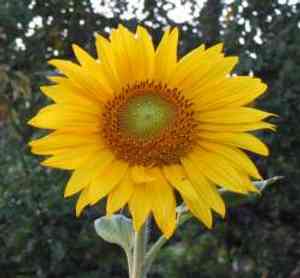
Mountain oxeye (Heliopsis parvifolia)
Also known as: Smallleaf Oxeye
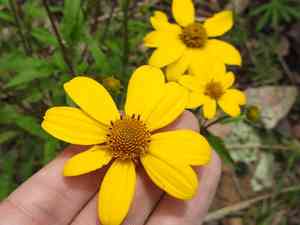
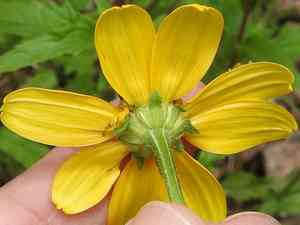
Heliopsis parvifolia is a perennial herb that can grow up to 80 cm in height. It propagates through underground rhizomes. Typically, each stem bears 1-5 flower heads, each featuring 6-19 vibrant yellow ray florets encircling over 40 yellowish-brown disc florets. The plant produces achenes, which are approximately 5 mm in length.
In This Article
Attributes of Mountain oxeye
Lifespan
Perennial
Plant Type
Herb
Plant Height
0.5 to 1 meter
Spread
Varies, generally moderate
Leaf Color
Green
Flower Size
2 to 3 centimeters
Flower Color
Bright yellow
Images of Mountain oxeye


Quickly Identify Mountain oxeye
1
Heliopsis parvifolia can be identified by its small, lance-shaped leaves and daisy-like yellow flowers. The leaves are arranged oppositely on the stem, and the plant typically grows up to 1 meter in height.
Scientific Classification of Mountain oxeye
Phylum
Vascular plants
Class
Dicotyledons
Order
Asterales
Family
Daisy
Genus
Heliopsis
Species
Mountain oxeye
Planting and Growing of Mountain oxeye
Care Difficulty
Easy
Watering Schedule
Every 2 days
Sunlight Requirements
Full sun
Sunshine Duration
6-10 hours
Ideal Temperature
65-75℉
Soil Type
Potting Mix, Peat Mix
Soil pH
6.5-7.5
Fertilizer Type
Balanced
Pruning Season
Spring, Summer
Pruning Area
Branches, Leaves
Pruning Frequency
2 times a year
Repotting Season
Spring
Pot Type
Plastic, Terracotta
 How to Water Mountain oxeye?
Heliopsis parvifolia thrives when watered deeply but infrequently. Ensure the soil is thoroughly soaked; however, the pot should have excellent drainage to prevent root rot. The idea is to allow water to penetrate the root zone adequately, typically about 500 ml per session, while letting the soil dry out before the next watering.
What are the symptoms of an underwatered Mountain oxeye?
›
What should I do if my Mountain oxeye is not getting enough water?
›
What are the symptoms of an overwatered Mountain oxeye?
›
How to save an overwatered Mountain oxeye?
›
 What Are the Sunlight Requirements for Mountain oxeye?
Heliopsis parvifolia is ideally suited to full sun exposure, which boosts its flowering potential and ensures strong, lush growth throughout the season.
How much sunlight does Heliopsis parvifolia need?
›
Solutions to provide ideal lighting for Heliopsis parvifolia?
›
What are the benefits of ideal sunlight for Heliopsis parvifolia?
›
 What Is the Ideal Temperature Range for Mountain oxeye?
The ideal temperature range for Heliopsis parvifolia is between 65°F and 75°F. This range supports robust growth, allowing the plant to efficiently photosynthesize and thrive. Maintaining consistent temperatures within this range can lead to maximum flowering and a healthy plant structure.
 What Soil is Best for Mountain oxeye?
Heliopsis parvifolia thrives best in well-drained soil. This reduces the risk of root rot and ensures roots receive enough oxygen, crucial for healthy growth. Providing a nutrient-rich medium is essential. A loamy soil supplemented with organic matter promotes vigorous plant growth and vibrant blooms. While Heliopsis parvifolia enjoys well-drained soil, it benefits from moderate moisture retention that sandy loam provides, maintaining hydration levels without waterlogging.
 How to Fertilize Mountain oxeye?
When fertilizing Heliopsis parvifolia, it is essential to strike a balance to ensure healthy growth. Use a well-balanced, all-purpose fertilizer at half the recommended dosage. For liquid fertilizers, dilute to half strength and apply only twice a month during the growing season to avoid over-feeding.
 How to Prune Mountain oxeye?
Begin by inspecting the plant for any dead or damaged stems. These should be removed first to maintain plant health. Next, focus on shaping the plant by trimming back any overly long or unruly stems. Aim to cut just above a set of healthy leaves to encourage bushier growth. For a fuller appearance, pinch back new growth tips periodically. Keep an eye on the overall form and symmetry of the plant as you prune. Use clean, sharp pruning shears or scissors for precise cuts. Dip the pruning tools in a disinfectant solution before starting to prevent the spread of diseases. When cutting stems, angle the cuts to allow water to run off easily, reducing the chance of rot. For thicker stems, use a pair of loppers to make cleaner and more efficient cuts.
 How to Propagate Mountain oxeye plant?
1
Gather seeds when they are fully mature, usually in late autumn. For cuttings, select a healthy shoot, preferably in early summer, and cut at a node to encourage root growth.
2
Prepare a mix of equal parts peat and perlite for ideal drainage and aeration. This balance helps moisture retention and promotes good root development.
3
Sow seeds lightly into the mix or insert cuttings vertically. Mist lightly and cover with a plastic dome to maintain humidity. Check regularly to ensure the medium remains moist but not soggy.
 How to Repot Mountain oxeye plant?
1
Look for signs such as roots coming out of the drainage holes, soil drying out too quickly, or a noticeable slowdown in growth. These indicate your Heliopsis parvifolia is ready for a bigger pot.
2
Opt for a pot that is 1-2 inches larger in diameter than the current one. A pot that's too big can lead to overwatering issues, while a slightly larger size supports healthy root expansion.
3
A well-draining potting mix is essential to prevent root rot. Look for a soil blend that contains a good amount of perlite or sand to facilitate excellent drainage and allow for optimum aeration around the roots.
Learn More About Mountain oxeye Diseases
Anthracnose
Bacterial Leaf Spot
Bacterial Wilt
Crown Gall
Cyst Nematode
Damping-off
Downy Mildew
Drought Stress
Fusarium Wilt
Gray Mold
Leaf Spot
Mosaic
Nutrient Deficiency
Nutrient Toxicity
Powdery Mildew
Root Rot
Root-knot Nematode
Rusts
Sooty Mold
Spider Mites
Temperature Stress
Thrips Damage
White Mold



