
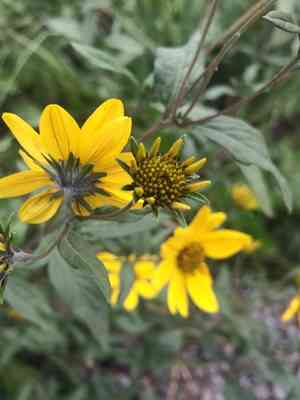
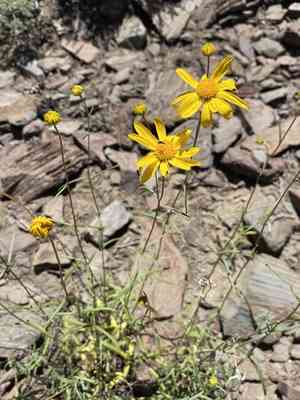
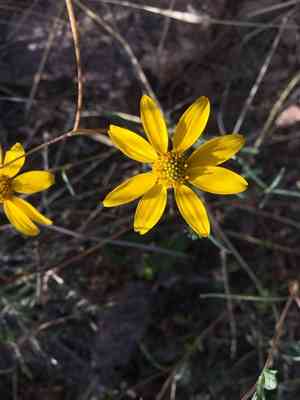
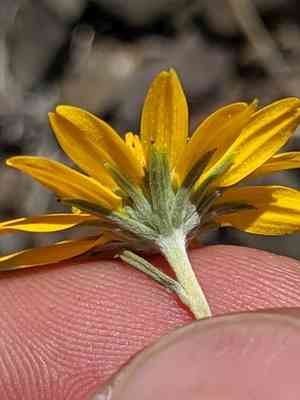
Showy goldeneye (Heliomeris multiflora)
Also known as: Nevada goldeneye
Showy goldeneye (Heliomeris multiflora) bears a resemblance to sunflowers, but you'll notice that its flowers are smaller and more plentiful. Both plants belong to the same family, making confusion understandable. For gardening success, showy goldeneye flourishes in full sun. It also prefers well-drained soil and is quite drought-tolerant once established.
In This Article
Attributes of Showy goldeneye
Lifespan
Perennial
Plant Type
Herb, Shrub
Plant Height
15 cm
Spread
30 cm to 90 cm
Leaf Color
Green
Flower Size
1.9 cm to 5 cm
Flower Color
Yellow Brown
Images of Showy goldeneye
Quickly Identify Showy goldeneye
1
Look for bright, yellow, daisy-like flowers with a prominently central yellow disc. The leaves are lance-shaped and arranged alternately along the stem. The plant generally grows in clumps and reaches about 1.5 to 3 feet in height.
Scientific Classification of Showy goldeneye
Phylum
Vascular plants
Class
Dicotyledons
Order
Asterales
Family
Daisy
Genus
False goldeneyes
Species
Showy goldeneye
Planting and Growing of Showy goldeneye
Care Difficulty
Easy
Watering Schedule
Every 3 days
Sunlight Requirements
Full sun
Sunshine Duration
4-6 hours
Ideal Temperature
60-75℉
Soil Type
Potting Mix, Peat Mix
Soil pH
6.5-7.5
Fertilizer Type
Balanced
Pruning Season
Spring, Summer
Pruning Area
Branches, Leaves
Pruning Frequency
2 times a year
Repotting Season
Spring
Pot Type
Plastic, Terracotta
 How to Water Showy goldeneye?
The watering amount for Heliomeris multiflora should be about 250 ml per session. Ensure the soil is evenly moist, but not waterlogged, to provide the roots with the right balance of moisture and air. It's crucial to prevent the soil from drying out completely between watering intervals.
What are the symptoms of an underwatered Showy goldeneye?
›
What should I do if my Showy goldeneye is not getting enough water?
›
What are the symptoms of an overwatered Showy goldeneye?
›
How to save an overwatered Showy goldeneye?
›
 What Are the Sunlight Requirements for Showy goldeneye?
Heliomeris multiflora thrives in full sun. The abundance of sunlight promotes vivid, continuous blooming and vigorous growth, making it a standout in sunny landscapes.
More About Sunlight Requirements Techniques→
What is the best amount of sunlight for Heliomeris multiflora?
›
How should I position Heliomeris multiflora to receive ideal light?
›
Why is direct sunlight crucial for Heliomeris multiflora?
›
 What Is the Ideal Temperature Range for Showy goldeneye?
The ideal temperature range for growing Heliomeris multiflora is between 60 and 75 degrees Fahrenheit. This range provides the optimal conditions for growth and photosynthesis, ensuring healthy foliage and blooming. Maintaining this temperature range can help the plant thrive, supporting both its development and resistance to pests and diseases.
 What Soil is Best for Showy goldeneye?
Heliomeris multiflora thrives in well-drained soil to prevent root rot, ensuring healthy growth and vibrant flower production. The addition of organic matter helps improve soil structure and nutrient availability for Heliomeris multiflora, resulting in robust foliage and blossoms. Soil that retains some moisture is ideal for this plant, as it prevents drought stress while still allowing excess water to drain away.
 How to Fertilize Showy goldeneye?
Heliomeris multiflora, commonly known as multi-flowered sunray, thrives with moderate fertilization. Use a balanced liquid fertilizer at a dilution ratio of 1:2 with water. A moderate application helps sustain its vibrant blooms and lush foliage without contributing to nutrient burn or salt buildup in the soil.
 How to Prune Showy goldeneye?
Start by removing any dead or brown stems and foliage. Gently tug on these stems; if they come away easily, they are dead. Next, focus on removing leggy growth to encourage bushier development. Trim Heliomeris multiflora to maintain a pleasing shape that complements your garden. Aim to create a balanced spherical shape by regularly pinching back growth from the outer edges and topping stems. To promote blooming, make clean cuts just above the nodes. This practice will encourage the plant to produce new shoots and blossoms, enhancing its appearance and vitality.
More About Pruning Techniques→
 How to Propagate Showy goldeneye plant?
1
Gather mature seeds from healthy Heliomeris multiflora plants in autumn. Ensure they are dry and free from diseases before storing them in a cool, dry place until spring.
2
Select healthy stems and cut them below a node. Remove lower leaves to reduce moisture loss, and use rooting hormone to encourage root development.
3
Carefully dig up mature Heliomeris multiflora plants in early spring. Use a sharp knife or spade to separate the roots into smaller clumps, each with a healthy shoot.
 How to Repot Showy goldeneye plant?
1
You know it's time to repot Heliomeris multiflora when roots start to appear at the drainage holes or the growth significantly slows. It's also a telltale sign if the plant appears to be too large for its pot. Conduct repotting during its active growing seasons, spring or summer, when the plant can recover effectively.
2
Select a pot that is one to two inches larger in diameter than the current one to give room for root expansion and proper growth. Make sure it has adequate drainage holes to prevent waterlogging, which can lead to root rot. A slightly bigger pot will ensure that the plant doesn't stress due to sudden excessive space.
3
Opt for a well-draining sandy loam soil that can hold moisture while allowing excess water to escape quickly. This soil type ensures that the roots receive adequate nutrients without being suffocated in waterlogged conditions. It's crucial for promoting healthy growth and preventing root diseases.



