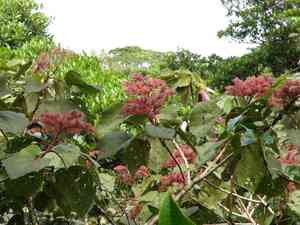
Heliocarpus (Heliocarpus) (Heliocarpus)
Also known as: Smooth Tree Sorrel, Paper Tree
Heliocarpus is a genus of flowering plants in the family Malvaceae. These trees, often found in tropical regions, are known for their rapid growth and large, heart-shaped leaves. They are mostly deciduous, shedding their leaves in dry or cold seasons.
In This Article
Attributes of Heliocarpus (Heliocarpus)
Lifespan
Perennial
Plant Height
10-25 meters
Spread
4-8 meters
Leaf Color
Green
Flower Size
1-2 centimeters
Flower Color
White or yellowish
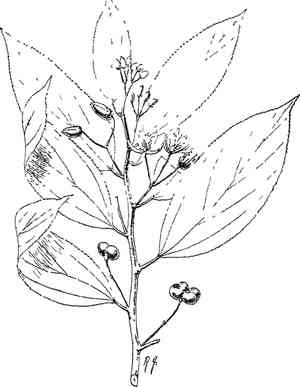
Images of Heliocarpus (Heliocarpus)
Quickly Identify Heliocarpus (Heliocarpus)
1
Heliocarpus can be identified by its large, heart-shaped leaves, which are usually soft and covered with fine hair. The flowers are small and arranged in clusters, and the fruit is a dry capsule containing many seeds.
Scientific Classification of Heliocarpus (Heliocarpus)
Phylum
Magnoliophyta
Class
Magnoliopsida
Order
Malvales
Family
Malvaceae
Genus
Heliocarpus
Planting and Growing of Heliocarpus (Heliocarpus)
Care Difficulty
Moderate
Watering Schedule
Every 3 days
Sunlight Requirements
Partial sun
Sunshine Duration
4-8 hours
Ideal Temperature
68-77℉
Soil Type
Potting Mix, Peat Mix
Soil pH
6-7.5
Fertilizer Type
Balanced
Pruning Season
Spring, Summer
Pruning Area
Branches, Leaves
Pruning Frequency
2 times a year
Repotting Season
Spring
Pot Type
Plastic, Ceramic
 How to Water Heliocarpus (Heliocarpus)?
Heliocarpus requires a moderate amount of water. It is essential to ensure the soil is evenly moist but not waterlogged. A consistent watering regimen should maintain soil moisture levels akin to a well-squeezed sponge, providing approximately 500ml per session.
What are the symptoms of an underwatered Heliocarpus (Heliocarpus)?
›
What should I do if my Heliocarpus (Heliocarpus) is not getting enough water?
›
What are the symptoms of an overwatered Heliocarpus (Heliocarpus)?
›
How to save an overwatered Heliocarpus (Heliocarpus)?
›
 What Are the Sunlight Requirements for Heliocarpus (Heliocarpus)?
Heliocarpus benefits from partial sun, ideally 4 to 6 hours daily of indirect light. This regimen boosts photosynthesis and growth, resulting in a well-structured, resilient plant.
What is the ideal light type?
›
How to provide the optimal lighting conditions?
›
What benefits does ideal lighting bring?
›
 What Is the Ideal Temperature Range for Heliocarpus (Heliocarpus)?
For optimal growth, Heliocarpus plants thrive best in temperatures ranging from 68 to 77 degrees Fahrenheit. These conditions allow the plant to photosynthesize efficiently and uptake essential nutrients, promoting healthy development.
 What Soil is Best for Heliocarpus (Heliocarpus)?
Heliocarpus thrives in nutrient-rich soil which supports healthy growth and robust foliage. Adequate nutrients ensure the plant develops strong roots and lush leaves. This plant demands well-drained soil to prevent root rot. Well-drained soil helps in maintaining optimal moisture levels, facilitating better respiration and nutrient uptake for Heliocarpus. Although the soil must be well-drained, a certain level of moisture retention is beneficial. It keeps Heliocarpus hydrated without waterlogging, supporting vigorous growth.
 How to Fertilize Heliocarpus (Heliocarpus)?
For Heliocarpus, the amount of fertilizer should be generous enough to support its rapid growth but not excessive to avoid nutrient burn. A balanced approach with about one tablespoon of general-purpose liquid fertilizer diluted in a gallon of water is ideal for monthly application. For slow-release solid fertilizers, use approximately 1.5 ounces per plant, sprinkling it evenly over the plant's root zone.
 How to Prune Heliocarpus (Heliocarpus)?
Begin by identifying the dead or diseased branches of the Heliocarpus. Use clean, sharp shears to make cuts at a 45-degree angle. Prune during dry weather to minimize the risk of infection. Always start by removing the unwanted branches first to open up the canopy and promote better air circulation. After removing dead or diseased branches, focus on shaping the Heliocarpus. Aim for a balanced look by reducing elongated stems and any branches that disrupt its natural silhouette. This process helps the plant appear more robust and aesthetically pleasing. To stimulate new growth, cut back the tips of healthy branches. This pruning strategy encourages new shoots, enhancing the foliage density. After pruning, ensure adequate watering and fertilization to support regrowth and enhance the plant's vigor.
 How to Propagate Heliocarpus (Heliocarpus) plant?
1
Gather mature seeds from the plant once they have ripened. Ensure they are dry and free from any moisture which may cause rotting or fungal growth during storage or germination.
2
Select healthy stems for cutting, making sure each cutting has several nodes. Remove any lower leaves to prevent rotting when placed in soil or water.
3
Place seeds in seed trays with appropriate soil mix, or insert cuttings into a rooting medium. Maintain consistent moisture and provide indirect sunlight to encourage root development.
 How to Repot Heliocarpus (Heliocarpus) plant?
1
Look for signs such as roots growing out of the drainage holes, soil that dries out quickly, or stunted growth. These are indicators that your Heliocarpus needs more space and fresh nutrients to thrive.
2
Select a pot that is just one size larger than the current one, with good drainage holes. This ensures enough space for root expansion without overwhelming the plant, preventing waterlogged conditions that can lead to root rot.
3
Opt for a well-draining potting mix enriched with organic matter. This provides necessary nutrients while allowing excess water to drain away, reducing the risk of root diseases and promoting healthy growth.
Learn More About Heliocarpus (Heliocarpus) Diseases
Anthracnose
Bacterial Leaf Spot
Bacterial Wilt
Crown Gall
Cyst Nematode
Damping-off
Downy Mildew
Drought Stress
Fusarium Wilt
Gray Mold
Leaf Curl
Leaf Spot
Mosaic
Nutrient Deficiency
Nutrient Toxicity
Powdery Mildew
Root Rot
Root-knot Nematode
Rusts
Sooty Mold
Spider Mites
Temperature Stress
Thrips Damage
White Mold
Chemical Injury

