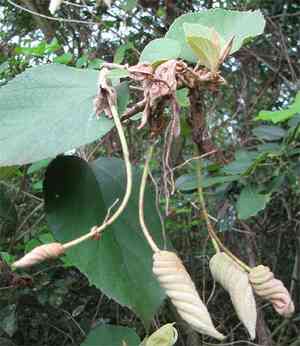
cow bush (Helicteres) (Helicteres)
Also known as: blind eye bush
Cow bush is a genus of flowering plants in the family Asteraceae.
In This Article
Attributes of cow bush (Helicteres)
Lifespan
Perennial
Plant Height
1-3 meters
Spread
1-2 meters
Leaf Color
Dark green
Flower Size
2-3 cm
Flower Color
Orange, red, sometimes yellow
Images of cow bush (Helicteres)
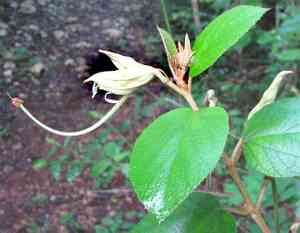
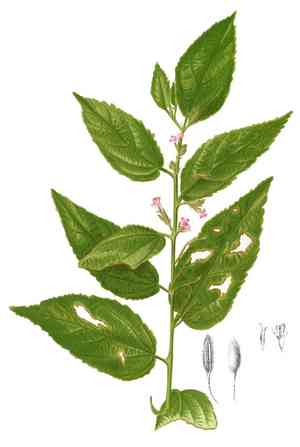
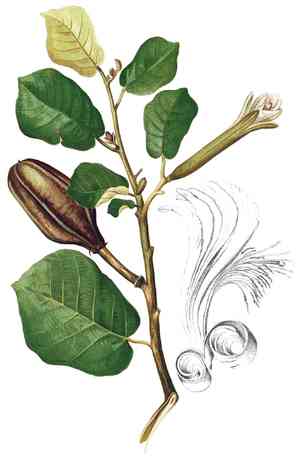
Quickly Identify cow bush (Helicteres)
1
Helicteres can be identified by their distinct spiral-fruited pods, prominent venation on leaves, and small, colorful flowers. The bark and leaves often display a rough texture.
Scientific Classification of cow bush (Helicteres)
Phylum
Tracheophyta
Class
Magnoliopsida
Order
Malvales
Family
Malvaceae
Genus
Helicteres
Planting and Growing of cow bush (Helicteres)
Care Difficulty
Moderate
Watering Schedule
Every 3 days
Sunlight Requirements
Partial sun
Sunshine Duration
4-8 hours
Ideal Temperature
65-75℉
Soil Type
Potting Mix, Peat Mix
Soil pH
6-7.5
Fertilizer Type
Balanced
Pruning Season
Spring, Summer
Pruning Area
Branches, Leaves
Pruning Frequency
2 times a year
Repotting Season
Spring
Pot Type
Plastic, Ceramic
 How to Water cow bush (Helicteres)?
For Helicteres, it's ideal to water thoroughly until water begins to drain out of the bottom of the pot, ensuring that the soil is uniformly moist but not waterlogged. During active growth periods, they enjoy a more consistent moisture level, whereas in dormant phases, the soil can be allowed to dry out partially between waterings.
What are the symptoms of an underwatered cow bush (Helicteres)?
›
What should I do if my cow bush (Helicteres) is not getting enough water?
›
What are the symptoms of an overwatered cow bush (Helicteres)?
›
How to save an overwatered cow bush (Helicteres)?
›
 What Are the Sunlight Requirements for cow bush (Helicteres)?
Helicteres flourish with partial to full sun exposure. Ideal conditions lead to vigorous growth, more blooms, and a robust overall appearance, maximizing both aesthetic and functional benefits.
What is the ideal light setting for Helicteres?
›
What solutions are there to achieve ideal lighting for Helicteres?
›
What are the benefits of ideal lighting for Helicteres?
›
 What Is the Ideal Temperature Range for cow bush (Helicteres)?
The ideal temperature range for Helicteres species is between 65°F and 75°F. Maintaining this range is crucial for optimal growth and development. At this temperature, the plants can effectively photosynthesize and uptake nutrients. It supports healthy blooming and fruiting, ensuring that the plant's life cycle functions at its best. Proper thermoregulation is essential for root development and overall vitality.
 What Soil is Best for cow bush (Helicteres)?
Helicteres thrives in well-drained soils, preventing root rot and enhancing nutrient uptake. Good drainage ensures roots receive ample oxygen, fostering healthy growth and resilience against diseases. This plant prefers soils with moderate fertility to ensure balanced nutrition. Adequate nutrients support robust leaf and flower production, essential for a thriving Helicteres specimen. Helicteres benefits from soils that retain moisture without being waterlogged. Consistent moisture levels support steady growth and help the plant withstand periods of drought.
 How to Fertilize cow bush (Helicteres)?
Helicteres plants benefit from a balanced fertilizer that is neither too rich nor too sparse. Typically, you should aim to apply 20 grams per square meter for slow-release fertilizers. For liquid fertilizers, follow the manufacturer's instructions, usually a diluted solution is best to avoid root burn.
 How to Prune cow bush (Helicteres)?
Begin by inspecting the plant for any dead or diseased branches, which should be removed first. Use sharp pruning shears to make clean cuts, reducing the risk of infection. Trim back any overgrown stems to maintain the desired shape and size of the plant. Focus on cutting just above a node to encourage new growth from that point. Finally, step back occasionally to assess the plant’s symmetry and make adjustments as needed.
 How to Propagate cow bush (Helicteres) plant?
1
Before sowing, seeds need to be prepared by soaking them overnight in warm water to break dormancy and enhance germination rates. This helps in softening the seed coat and ensures quicker absorption of water.
2
Choose healthy and disease-free stems for cutting propagation. Select semi-hardwood cuttings that are about 10-15 cm in length with at least two leaves. This enhances the likelihood of successful rooting.
3
For layering propagation, select a healthy low branch, and gently wound the area to encourage rooting. Then, bury the wounded part in soil, tacking it down to maintain contact with the soil until roots develop.
 How to Repot cow bush (Helicteres) plant?
1
The ideal time to repot Helicteres is when you notice the plant is becoming root-bound. Signs include slower growth, roots emerging from the drainage holes, and water sitting on the surface of the soil instead of draining. Repotting during the growing seasons of spring or summer ensures the plant has enough energy to recover quickly.
2
Select a pot that's 1-2 inches larger in diameter than the current one. Opting for a slightly larger pot provides ample room for growth without the risk of excess moisture retention. Ensure the pot has adequate drainage holes to prevent root rot, which is crucial for the Helicteres’ health.
3
A well-draining potting mix is essential for Helicteres, as it prevents waterlogging and root rot. Choose a mix containing peat, perlite, and a bit of sand. This composition mimics the plant's natural habitat conditions, promoting healthy root development and vigorous growth.
Learn More About cow bush (Helicteres) Diseases
Anthracnose
Bacterial Leaf Spot
Bacterial Wilt
Crown Gall
Cyst Nematode
Damping-off
Downy Mildew
Drought Stress
Fusarium Wilt
Gray Mold
Leaf Curl
Leaf Spot
Mosaic
Nutrient Deficiency
Nutrient Toxicity
Powdery Mildew
Root Rot
Root-knot Nematode
Rusts
Sooty Mold
Spider Mites
Temperature Stress
Thrips Damage
White Mold

