Lobster-claws (Heliconia)(Heliconia)

Lobster-claws (Heliconia) (Heliconia)

Also known as: Toucan beak, flowering banana, macaw flower

The Lobster-claws (Heliconia) plant stands out with its striking features and multiple benefits. Known for its eye-catching, vividly colored bracts, it is a favorite among gardeners and landscapers looking to add a touch of the tropics. Its brilliant hues not only beautify spaces but also attract pollinators such as hummingbirds and butterflies, enhancing the ecological value of gardens.

Additionally, Heliconia plants are relatively low-maintenance and can thrive in well-drained soil with adequate sunlight, making them accessible for both novice and experienced gardeners. Their robust root systems contribute to soil stabilization, offering practical benefits like erosion control. Moreover, certain species of Heliconia can live for many years, providing long-term beauty and ecological benefits.

With its vibrant appearance and important role in supporting local ecosystems, the Heliconia plant is a standout choice for anyone looking to enrich their garden or landscape.

Attributes of Lobster-claws (Heliconia)

Lifespan
Perennial
Plant Height
5 m
Spread
2 m
Leaf Color
Dark green
Flower Size
Up to 6 inches
Flower Color
Red, yellow, orange, pink, and combinations of these colors

ForwardPlant - Identify plants with a snap

Identify and diagnose plants, get toxicity alerts, and explore safety guides for all types of fungi.

Try for Free

Images of Lobster-claws (Heliconia)
Lobster-claws (Heliconia)(Heliconia)

Quickly Identify Lobster-claws (Heliconia)

1
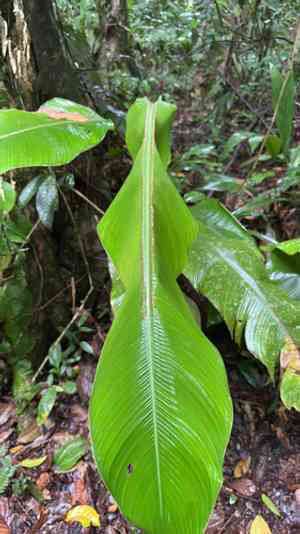
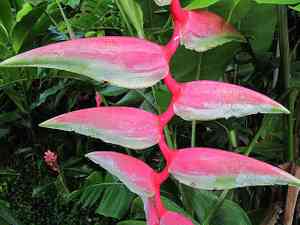
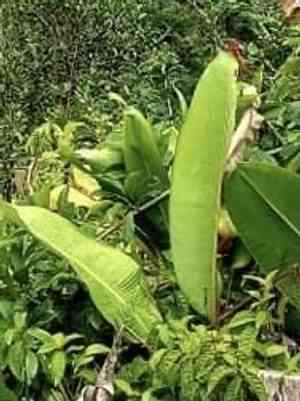
Heliconias can be identified by their unique, boat-shaped bracts which often come in bright colors like red, yellow, or orange. The true flowers are small and hidden within these bracts. The plant has long, lanceolate leaves that resemble those of banana plants.

Scientific Classification of Lobster-claws (Heliconia)

Phylum
Magnoliophyta
Class
Liliopsida
Order
Zingiberales
Family
Heliconiaceae
Genus
Heliconia

Planting and Growing of Lobster-claws (Heliconia)

Care Difficulty
Moderate
Watering Schedule
Every 8 days
Sunlight Requirements
Partial sun
Sunshine Duration
6-10 hours
Ideal Temperature
68-86℉
Soil Type
Potting Mix, Peat Mix
Soil pH
6.5-7.5
Fertilizer Type
Balanced
Pruning Season
Spring, Summer
Pruning Area
Branches, Leaves
Pruning Frequency
2 times a year
Repotting Season
Spring
Pot Type
Plastic, Ceramic

water icon How to Water Lobster-claws (Heliconia)?

When watering the Heliconia, it is essential to provide enough water to soak the soil thoroughly. This plant thrives in evenly moist soil, so aim to water until the top layer feels saturated but not waterlogged. Ensure that at least the top 2-3 inches of soil are consistently moist.
What are the symptoms of an underwatered Lobster-claws (Heliconia)?
What should I do if my Lobster-claws (Heliconia) is not getting enough water?
What are the symptoms of an overwatered Lobster-claws (Heliconia)?
How to save an overwatered Lobster-claws (Heliconia)?

sunlight icon What Are the Sunlight Requirements for Lobster-claws (Heliconia)?

Sunlight Requirements: Partial sun, Full sun
Duration of light: 4 to 6 hours
Heliconia ideally thrives in partial to full sun, benefiting from 4 to 6 hours of daily sunlight. This setup optimizes photosynthesis, promoting a lush, vibrant appearance and encouraging prolific blooming.
What is the best light exposure for Heliconia?
How can you achieve the ideal lighting for Heliconia?
What are the benefits of optimal lighting for Heliconia?

temperature icon What Is the Ideal Temperature Range for Lobster-claws (Heliconia)?

Ideal Temperature: 68 ~ 86℉
The ideal temperature range for Heliconia is generally between 68°F and 86°F. This tropical plant thrives in warm, humid conditions similar to its native habitats. Maintaining this temperature range will promote healthy growth and vibrant foliage, allowing the plant to flourish and produce blossoms efficiently.

soil icon What Soil is Best for Lobster-claws (Heliconia)?

Soil type: Loam, Sandy loam
Soil PH: 6.5 ~ 7.5
Heliconia thrives in nutrient-rich soil, providing essential growth elements. Rich soil ensures the plant's vibrant colors and lush foliage, supporting robust growth and flowering. Well-drained soil is crucial for Heliconia to prevent root rot. It allows excess moisture to escape while retaining necessary nutrients, encouraging healthy root development and plant stability. Balancing moisture retention is vital for Heliconia. The soil must hold adequate moisture to mimic its natural tropical habitat while avoiding over-saturation, ensuring continuous nourishment.

fertilize icon How to Fertilize Lobster-claws (Heliconia)?

Fertilizer type: Balanced
For the Heliconia, it is important to use a balanced fertilizer with an N-P-K ratio like 10-10-10. For liquid fertilizers, use about 1/4 to 1/2 teaspoon per gallon of water. For solid fertilizers, apply around 1/2 cup per plant annually, ensuring even distribution around the root zone.

prune icon How to Prune Lobster-claws (Heliconia)?

Pruning Time: Spring, Summer
Begin by examining the plant for any spent or yellowing leaves. These should be removed promptly to allow the plant to focus its energy on new growth. Cut leaves at the base using a clean, sharp tool. Heliconias often benefit from strategic shaping. Remove any unruly or overlapping stems that disrupt the plant's natural symmetry. This increases airflow within the plant and reduces the risk of fungal infections.

propagate icon How to Propagate Lobster-claws (Heliconia) plant?

Propagate Time: Spring, Early summer
1
Collect seeds from mature Heliconia flowers that have dried and turned brown. It's crucial to ensure that the seeds are fully mature to maximize germination rates. Store the seeds in a dry, cool place until you are ready to plant them.
2
Choose a healthy and mature Heliconia clump for division. Dig carefully around the root system to lift out the whole plant with minimal root disturbance. Ensure the tool you use for cutting is sterilized to prevent disease transmission.
3
For both seeds and divisions, plant them in well-draining soil. Provide consistent and adequate watering, ensuring that the soil remains moist but not waterlogged. Initial watering helps settle the soil and eliminates air pockets.

repot icon How to Repot Lobster-claws (Heliconia) plant?

Repotting frequency: Every 2-3 years
1
Heliconias should be repotted when you notice roots emerging from the drainage holes, the plant becoming top-heavy, or when the soil loses its ability to retain moisture. These are clear signals that your plant has outgrown its current pot and needs some fresh space to flourish.
2
Select a pot that is slightly larger than the current one, with ample drainage holes to prevent waterlogging. A terracotta pot is recommended for its breathability and ability to wick away excess moisture, promoting healthier root growth in your Heliconia.
3
Opt for a rich and well-draining potting mix, possibly augmented with organic matter. This ensures that the roots are kept aerated and reduces the likelihood of root rot. Such a mix also retains the necessary moisture without becoming compacted.

ForwardPlant - Identify plants with a snap

Find the best spots for them to optimize their health, simply using your phone.

Try for Free