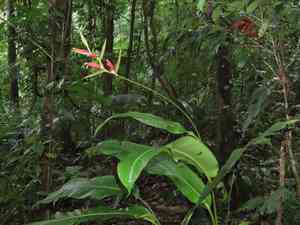
Shining bird of paradise (Heliconia metallica)
Also known as: Metallic Heliconia, Shark's Paw
The Bird of Paradise (Strelitzia reginae) is an evergreen perennial with soft wood, known for its large, exotic flowers that resemble a bird's beak. It blooms from spring through summer. This plant thrives in rich, moist soil and should be kept consistently watered, never allowing the soil to dry out completely. It grows best in full sun or bright, indirect light.
Attributes of Shining bird of paradise
Images of Shining bird of paradise
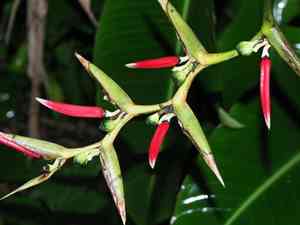
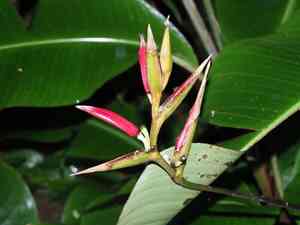
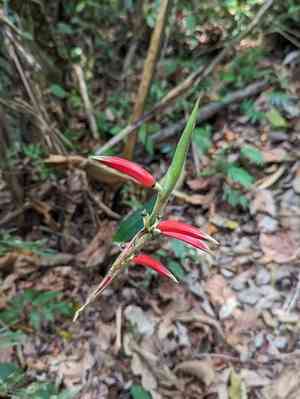
Quickly Identify Shining bird of paradise
Scientific Classification of Shining bird of paradise
Planting and Growing of Shining bird of paradise
 How to Water Shining bird of paradise?
 What Are the Sunlight Requirements for Shining bird of paradise?
 What Is the Ideal Temperature Range for Shining bird of paradise?
 What Soil is Best for Shining bird of paradise?
 How to Fertilize Shining bird of paradise?
 How to Prune Shining bird of paradise?
 How to Propagate Shining bird of paradise plant?
 How to Repot Shining bird of paradise plant?
Toxicity of Shining bird of paradise
Is Shining bird of paradise toxic to cat?
The shining bird of paradise is recognized as toxic to felines. If a cat consumes any portion of the shining bird of paradise, including its leaves, stems, and flowers, it may result in toxicity. Symptoms that indicate a cat may have been affected by the poisonous properties of shining bird of paradise encompass various types of physical discomfort and distress. This highlights the necessity of vigilantly observing pets in settings where the shining bird of paradise is found. Should a cat show any signs of illness following exposure to shining bird of paradise, prompt veterinary intervention is essential.
Is Shining bird of paradise toxic to dog?
The shining bird of paradise is regarded as toxic for dogs. When canines consume any part of this plant, they risk exposure to its poisonous properties. Every part of the plant, encompassing leaves, stems, and flowers, harbors harmful substances that can adversely affect a dog's well-being. Dogs may inadvertently ingest portions of the shining bird of paradise out of curiosity or due to misidentifying it as a harmless species. Signs of poisoning in dogs can include vomiting, diarrhea, lethargy, abdominal discomfort, excessive drooling, and potentially more serious symptoms such as tremors or seizures, which can vary based on the quantity consumed. It is essential for dog owners to keep a vigilant eye on their pets and restrict their access to the shining bird of paradise. If there is any suspicion that a dog has eaten this toxic plant, seeking immediate veterinary care is critical. Quick treatment at a veterinary facility can be life-saving and offers the best possibility for recovery.



